
Technology Enabling the Fabrication of Colorful Dye-Sensitized Solar Cells
October 2026
Technology Research & Development Office 2
Core Technology R&D Center
Technology Development Division Headquarters
1. Introduction
In recent years, expectations that next-generation solar cell technologies can contribute to decarbonization have been rising steadily. In place of silicon solar cells and compound solar cells, which are currently in the mainstream, the development of organic solar cells, which offer potential for weight reduction and lower costs, is gaining steam.
Dye-sensitized solar cells (DSCs) are a type of organic solar cell, and the knowledge of material design and device structures gained in DSC research can also be utilized in the development of perovskite solar cells, which are currently attracting significant attention1). DSCs can offer design aesthetics superior to other solar cells. Conventionally, however, mainstream development prioritized the improvement of power generation performance, meaning nearly all designs were based on dark, monochrome colors (Fig.1). This article introduces a technology that enables the world's first fabrication of colorful dye-sensitized solar cells (Fig.2). The technology applies the material selection and compounding technologies, as well as the tribology techniques (friction, wear, and delamination evaluation) that NSK has developed in the course of its bearing and grease development, to the field of renewable energy, utilizing a proprietary light-colored electrolyte and an ink-receiving layer.
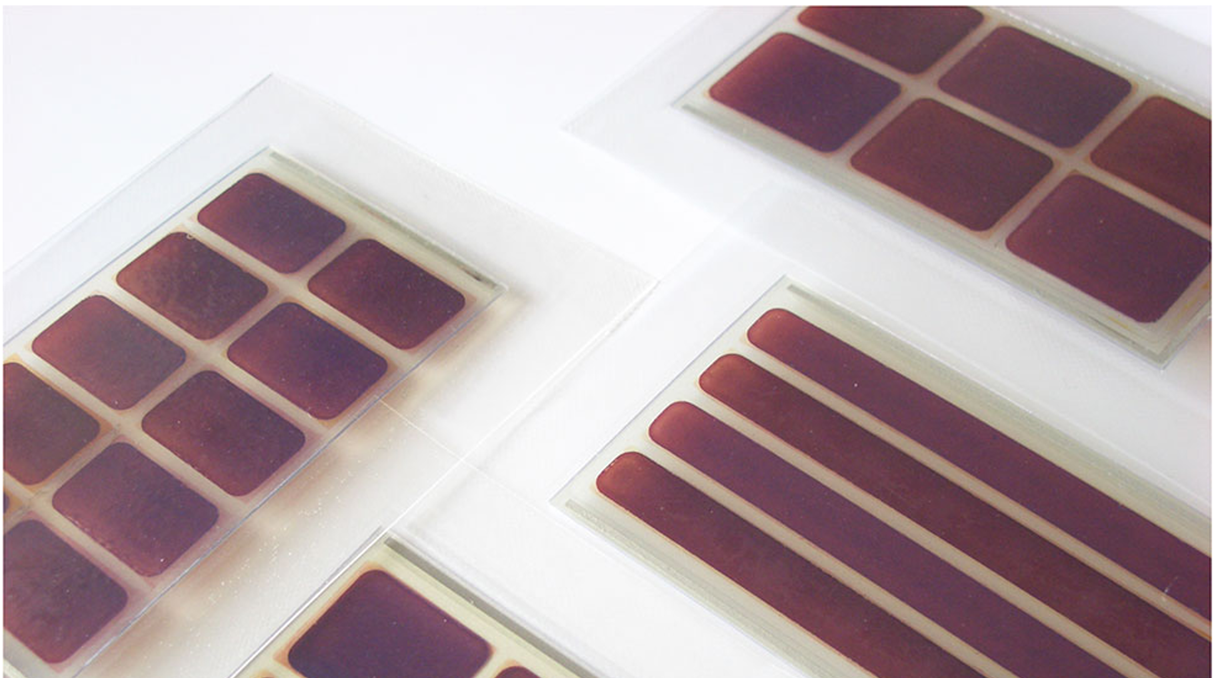
Fig.1 Conventional dye-sensitized solar cells2)
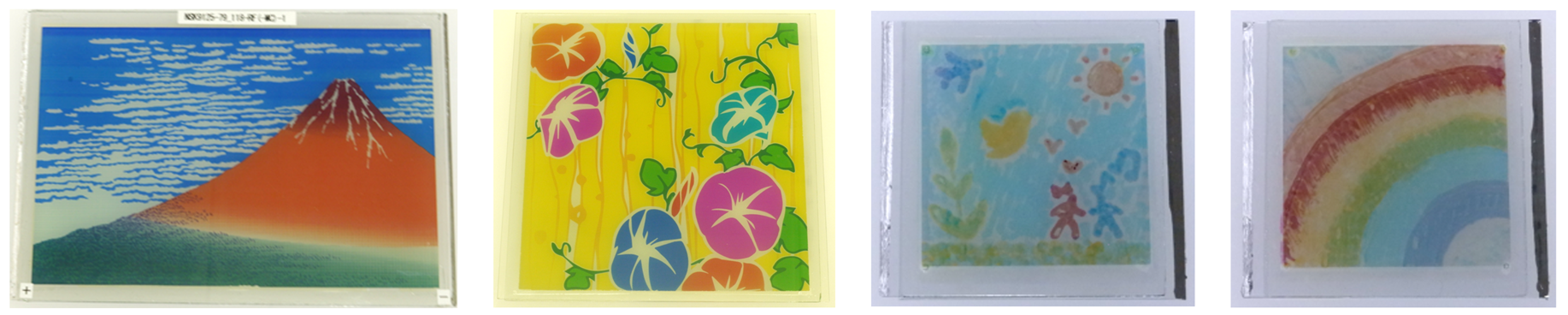
Fig.2 Colorful dye-sensitized solar cell prototyped by NSK
2. Overview of Dye-Sensitized Solar Cells
Dye-sensitized solar cells (DSCs) feature a structure in which an electrolyte is sealed between a transparent substrate with a transparent conductive film, on which a porous titanium oxide film adsorbing a sensitizing dye is formed, and another transparent substrate with a transparent conductive film, on which a counter electrode catalyst film is formed (Fig.3). Because DSCs are configured with a relatively simple structure in this manner, they can be assembled without specialized equipment. The power generation principle operates as follows: The sensitizing dye absorbs light and enters an excited state (Fig.4: ①). Electrons transfer to the titanium oxide (Fig.4: ②). The injected electrons flow through the titanium oxide and the transparent conductive film to an external circuit, where they are utilized as electric power (Fig.4: ③). Meanwhile, the dye that lost electrons accepts electrons from the electrolyte (reduced form) and is regenerated (Fig.4: ④). The electrolyte (reduced form) that lost electrons changes into an electrolyte (oxidized form) (Fig.4: ⑤). The electrolyte (oxidized form) accepts electrons from the counter electrode catalyst to regenerate into an electrolyte (reduced form) (Fig.4: ⑥). Power is generated through this cycle3).
The NSK DSC technology introduced here was developed in fulfillment of the company's “NSK Vision 2026: Setting the Future in Motion.”
When NSK develops greases and bearing cages, organic materials and additives are selected with a focus on chemical structure in order to achieve the required properties, in a process of optimal material design. In addition, to reduce wear, corrosion, and electrical erosion of bearings and peripheral components, NSK is developing techniques for forming films and modified layers on material surfaces to improve operating life and reliability.
In these initiatives, to fabricate colorful DSCs by applying these technologies, NSK developed:
- A proprietary light-colored electrolyte capable of reproducing the inherent colors of sensitizing dyes.
- An ink-receiving layer for dyeing the titanium oxide film using dye pens or inkjet printing.
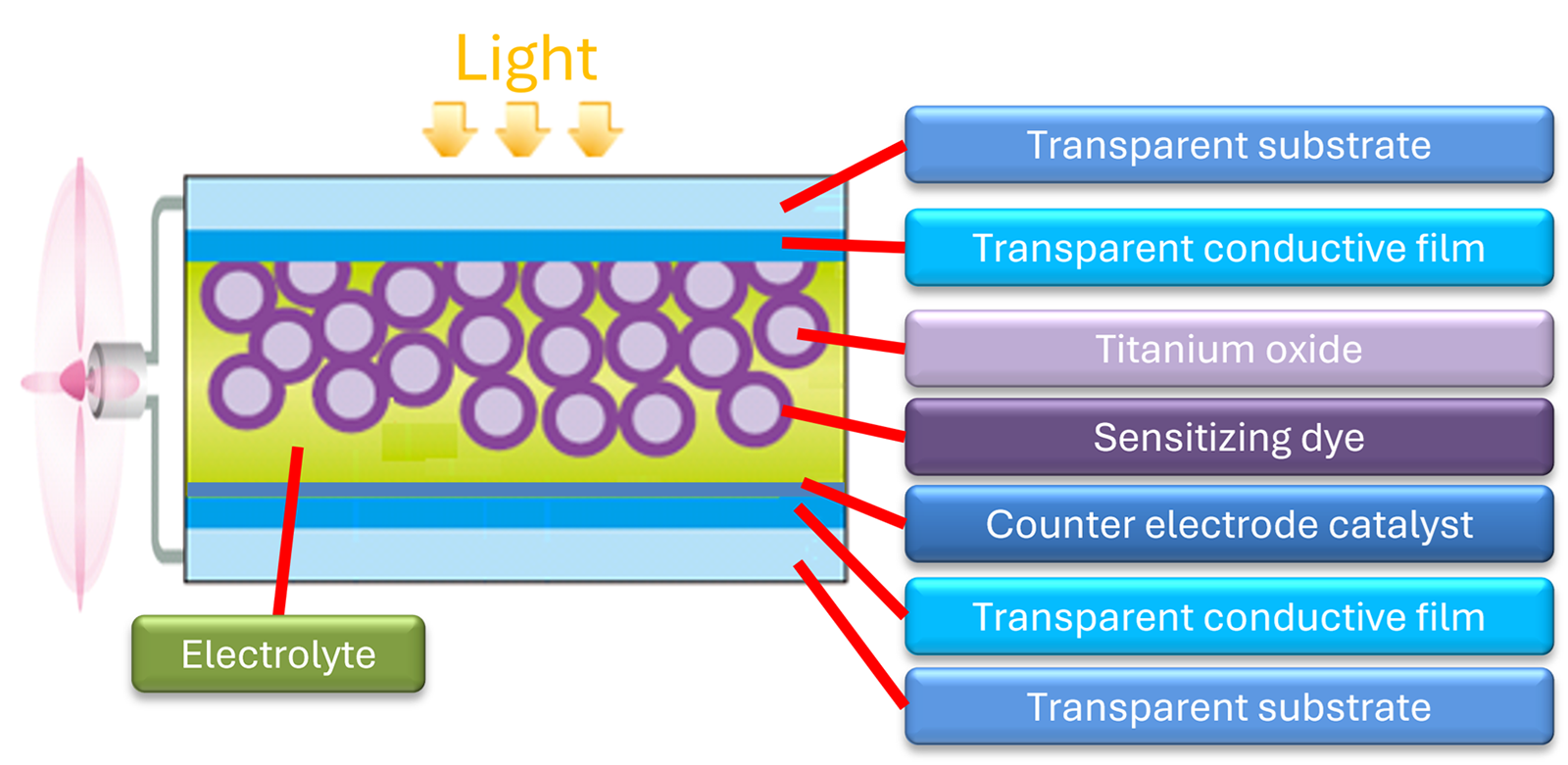
Fig.3 Structure of dye-sensitized solar cell (cross-sectional view)
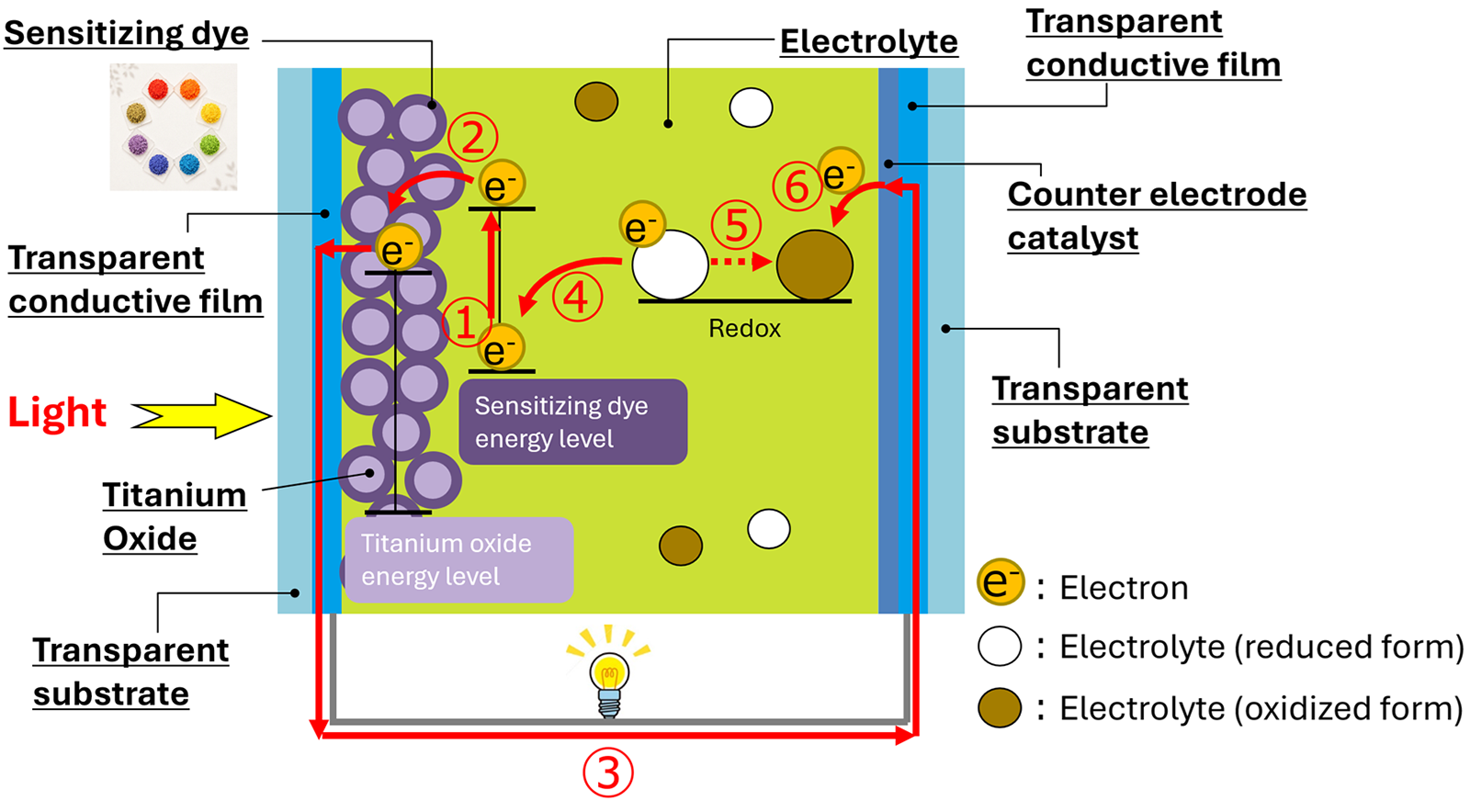
Fig.4 Power generation process
3. Newly Developed Technologies
3.1 Development of Light-Colored Electrolyte
In DSCs, the electrolyte is an important component responsible for circulating the electrons released by the sensitizing dye. However, conventional iodine-based electrolytes widely in use exhibit a dark brown color (Fig.5). Consequently, even when vivid sensitizing dyes were used, the inherent color tones of the sensitizing dyes are compromised once assembled.
To solve this issue, NSK utilized the knowledge it has gained in the development of grease and bearing cages regarding selecting and compounding materials with the required properties, and selected and formulated the essential functional materials for DSCs electrolytes:
- Redox material: Material capable of reversibly transitioning between oxidized and reduced forms through the transfer of electrons (materials with equivalent properties exist as antioxidants in grease).
- Additives: Materials soluble in organic solvents capable of conducting electricity.
- Organic solvent: Material capable of dissolving redox materials and additives.
Through these selections and formulations, NSK developed a proprietary light-colored electrolyte (Fig.6). This made it possible to realize DSCs capable of generating power while retaining the vivid, inherent color tones of the sensitizing dyes.
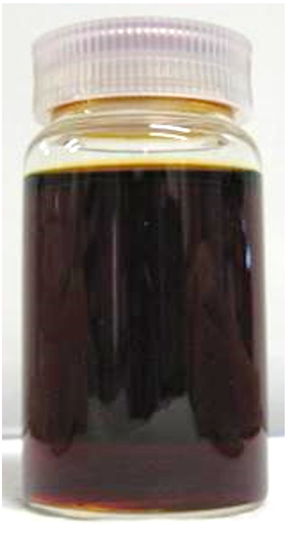
Fig.5 Appearance of conventional electrolyte
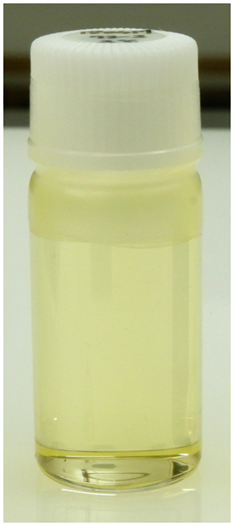
Fig.6 Appearance of developed electrolyte
3.2 Development of Ink-Receiving Layer
In DSCs, the titanium oxide film is usually dyed by immersion in a sensitizing dye solution. With this method, however, the sensitizing dye adsorbs uniformly over the entire surface of the film, making it difficult to selectively adsorb different sensitizing dyes in different locations. Furthermore, on an untreated titanium oxide film, even if attempts are made to apply different sensitizing dyes by dye pen or inkjet printing, the ink does not fix onto the titanium oxide and scarcely dyes it at all. As a result, achieving colorful, complex designs was very difficult with conventional manufacturing methods and structures. To overcome this, NSK adapted ink-receiving layers4) used in printing paper to make it possible to dye multicolor, freely chosen designs onto titanium oxide films by forming an ink-receiving layer on the titanium oxide film to retain dye inks locally. However, with commercially available ink-receiving layers, friction with the pen tip during writing caused the titanium oxide film to peel off. To address this, NSK selected the type of microparticles used to hold the ink and optimized the type and blending amount of binder resin that binds the microparticles together, utilizing evaluation techniques for friction and delamination behavior that it had gained in bearing development. Using this approach, NSK succeeded in developing a proprietary ink-receiving layer that significantly improves peeling resistance during writing while maintaining the required power generation capacity (Fig.7).
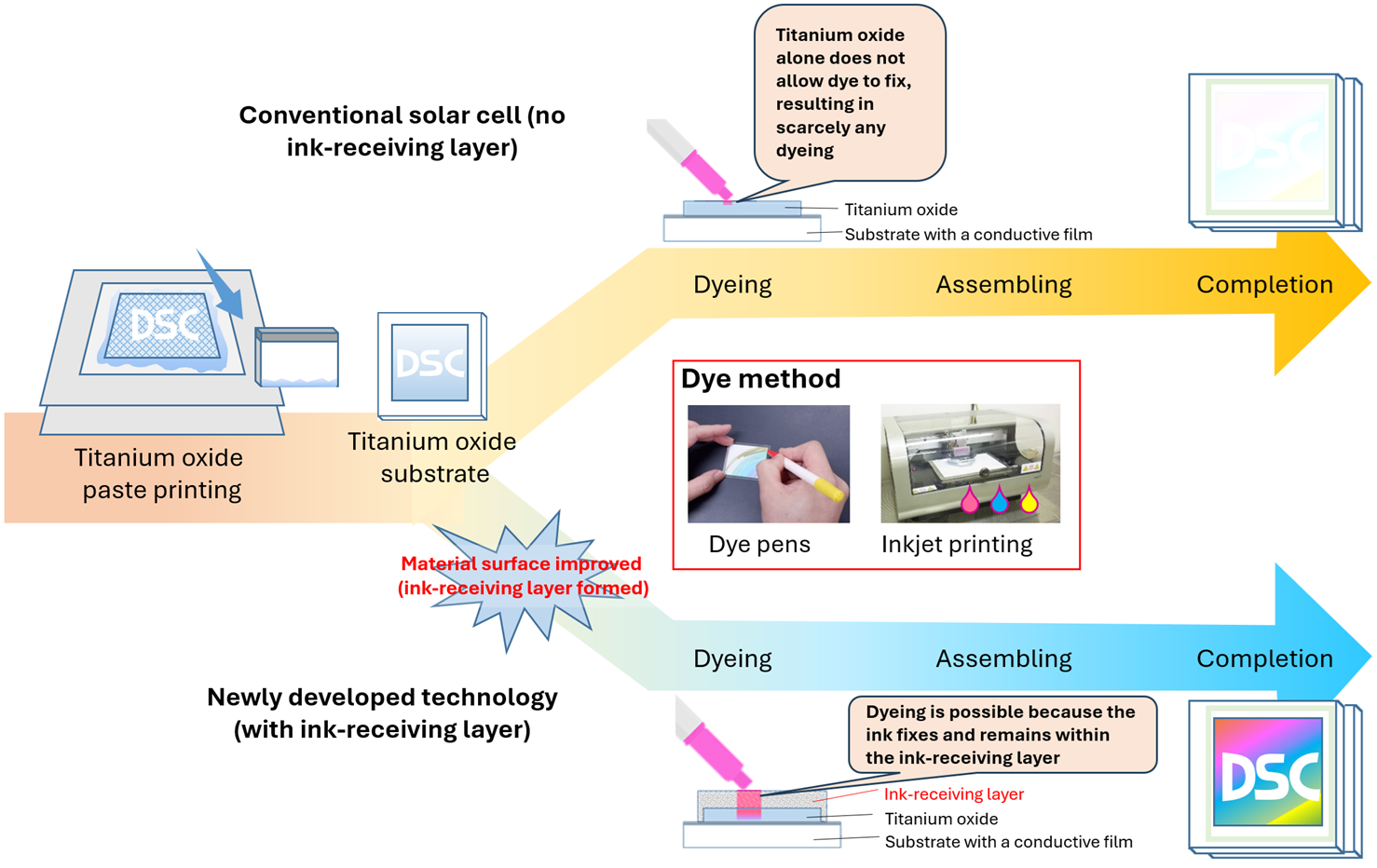
Fig.7 Dye-sensitized solar cell panel fabrication process
(conventional process vs. new NSK process)
3.3 Prototype Examples and Performance of Dye-Sensitized Solar Cells Fabricated by Drawing with Dye Pens or Inkjet Printing
The following sections present prototype examples and performance results of DSCs fabricated by drawing with dye pens or inkjet printing using the developed light-colored electrolyte and ink-receiving layer.
3.3.1 Dye-Sensitized Solar Cells Fabricated by Drawing with Dye Pens
The following describes a prototype example and performance of a 5.4 cm × 5.0 cm DSC (effective active area: 16.0 cm²) fabricated by drawing with dye pens. Titanium oxide was dyed by handwriting using custom dye pens prepared by filling marker pens with solutions of cyan dye, yellow dye, and magenta dye (the three primary colors of colorants).
The DSC drawn with dye pens (Fig.8) delivered 8.90 µW (conversion efficiency: 0.26%) under illumination conditions of 700 lux* white LED light, and it powered an LED blinking circuit and an electronic music box via an energy storage circuit. This result confirmed that the solar cell possesses sufficient power generation capability to drive simple electronic circuits used in teaching materials and electronic craft kits.
* Equivalent to the brightness of a well-lit office, conference room, or retail store.
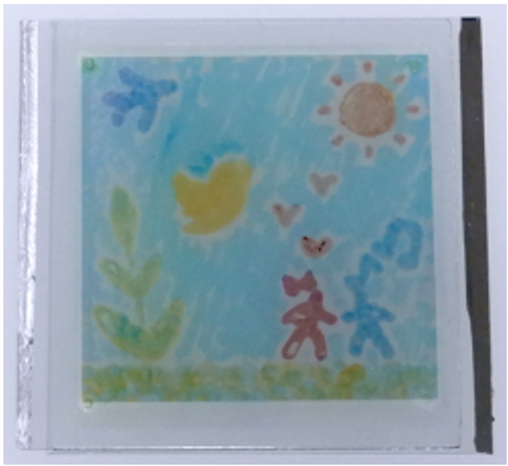
Fig.8 Dye-sensitized solar cell fabricated using titanium oxide dyed with dye pens
3.3.2 Dye-Sensitized Solar Cells Fabricated by Inkjet Printing
The following describes a prototype example and performance of a 15 cm square DSC (effective active area: 182.3 cm²) fabricated by drawing with inkjet printing. Titanium oxide was dyed by inkjet printing using an industrial inkjet printer to sequentially deposit solutions of sensitizing dyes of the three primary colors (cyan, yellow, and magenta) and blue-violet as a supplementary color (Fig.9). Under illumination conditions of 700 lux white LED light, the dye-sensitized solar cell (Fig.10) delivered 458.6 µW (conversion efficiency: 1.2%). This power output corresponds to the level required by devices such as calculators that generate power and operate using indoor light, showing promise for applications as power sources for low-power electronic devices.
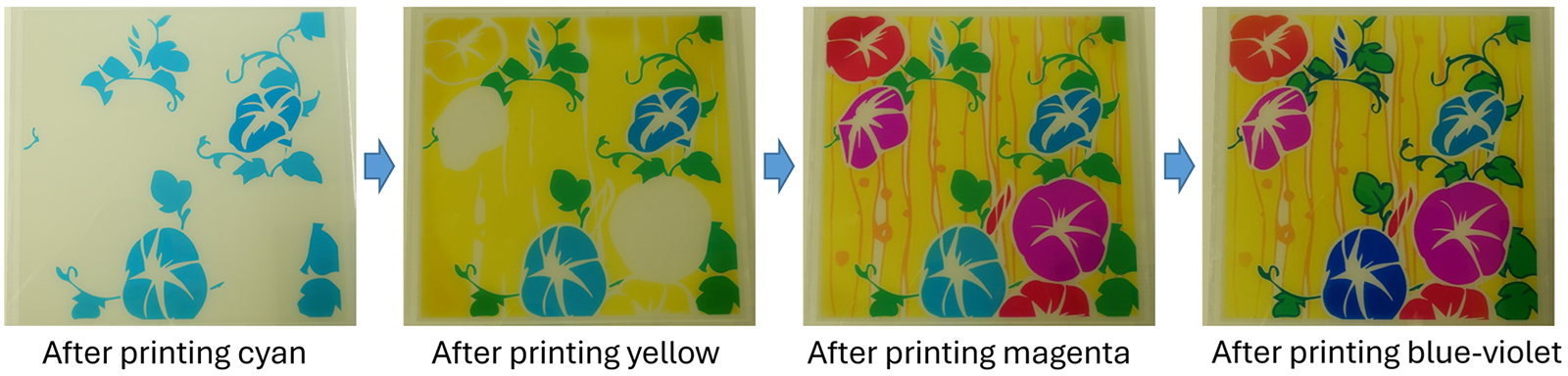
Fig.9 Appearance of dye-colored titanium oxide
(viewed from the conductive film-coated substrate side)
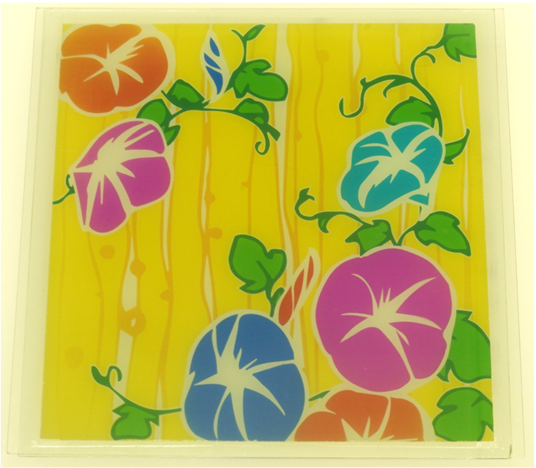
Fig.10 Dye-sensitized solar cell panel fabricated by inkjet printing
4. Example Application of This Technology
Thanks to the newly developed light-colored electrolyte and ink-receiving layer, it has become possible to fabricate colorful DSCs using freehand drawing with dye pens or multicolor inkjet printing. Focusing on the freehand drawing capability using dye pens enabled by this technology, along with the feature that cells can be fabricated simply and easily without specialized equipment, NSK developed a solar cell fabrication kit that generates power from pictures drawn with pens.
With this kit, solar cells can be fabricated in these simple steps (Fig.11):
Step 1: Draw a picture on the negative electrode with dye pens.
Step 2: Drip the electrolyte.
Step 3: Place the positive electrode on top.
Step 4: Secure with clips.
Step 5: Connect a power confirmation circuit and irradiate with light to verify power generation.
The fabrication kit is highly original in that it enables people to draw their own pictures while making solar cells. As of August 2026, this is the world's first educational material of its kind (based on NSK research).
In addition, the kit offers educational value because it offers:
- A hands-on educational material integrating power generation and art.
- An enjoyable way to learn about renewable energy.
- Simultaneous learning of science and creativity.
Test sales are scheduled to begin in October 2026, conducted by Peccell Technologies, Inc. under the product name Dye-Sensitized Solar Cell Experiment Kit PEC-TOM03. In the future, application is expected in STEAM education, science museums, and independent summer research projects.
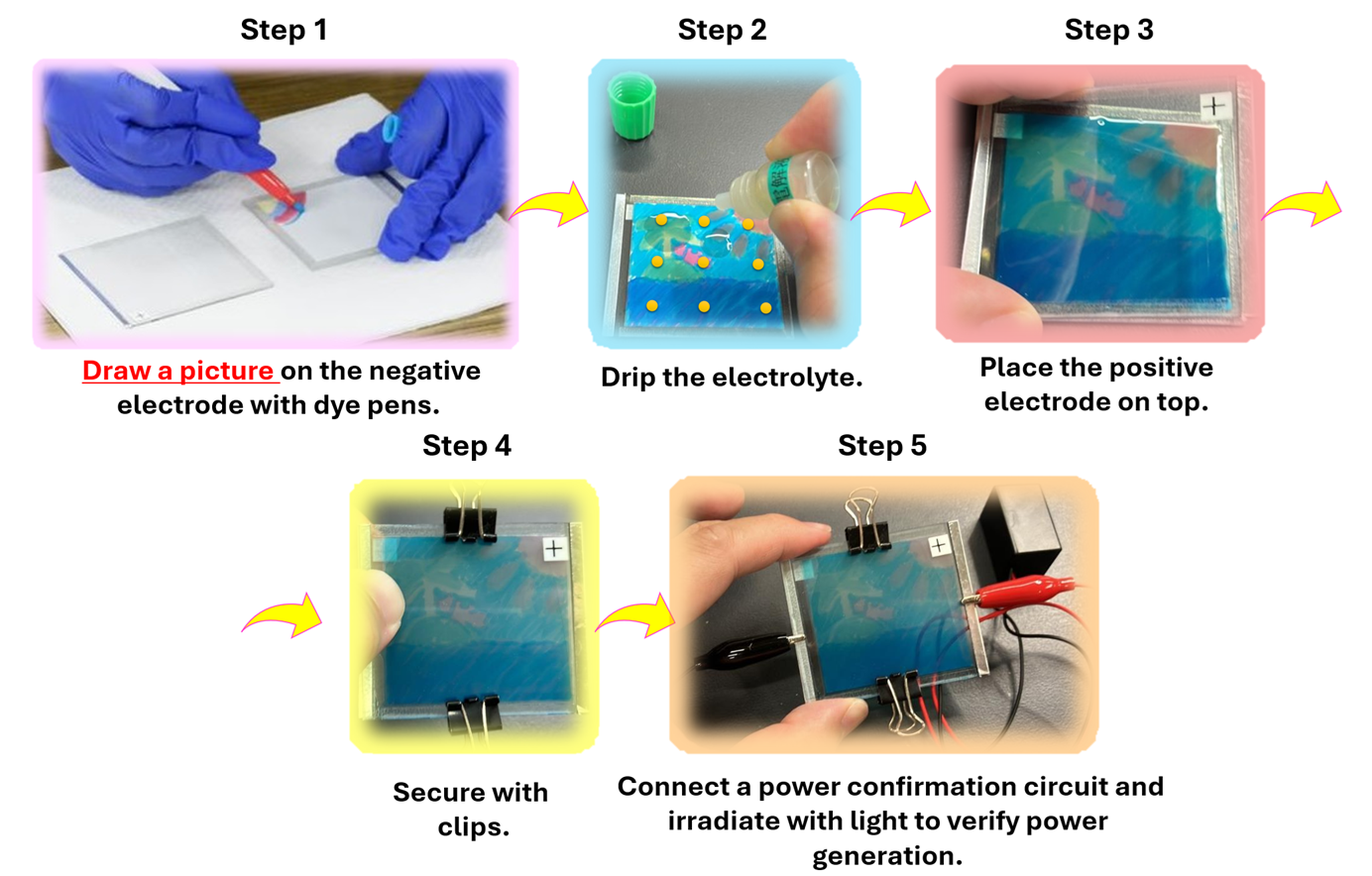
Fig.11 Procedure for making a solar cell featuring pen-drawn pictures
5. Conclusion
This article introduced a technology enabling the fabrication of colorful dye-sensitized solar cells (DSCs), a new renewable energy-related technology from NSK. Applying the material selection, compounding, and tribology NSK gained over years of development, the company developed a proprietary light-colored electrolyte and ink-receiving layer. These technologies made it possible to incorporate dye pen drawing and inkjet printing into the fabrication process, enabling the production of the world's first colorful solar cells.
DSCs fabricated with this technology do not match the power generation performance of perovskite solar cells, which have attracted significant attention in recent years (highest module conversion efficiency in 2025: 18.6%5)). However, this technology does not aim for high efficiency; instead, it provides features and value differentiated from perovskite solar cells, including suitability for design-oriented applications and educational value in learning about renewable energy via hands-on creative experiences. Going forward, NSK will pursue further performance improvements and practical applications, aiming to contribute to the proliferation and deeper understanding of renewable energy.
References
1) “A decade of perovskite photovoltaics,” Nature Energy, Vol. 4, No. 1 (2019), pp. 1.
https://www.nature.com/articles/s41560-018-0323-9
2) Peccell Technologies, Inc. website:
http://www.peccell.com/shikiso.html
3) Hironori Arakawa, “Dye-Sensitized Solar Cells,” CMC Publishing
4) Mitsubishi Paper Mills Limited, “Inkjet Paper / Imaging Materials”
https://www.mpm.co.jp/eng/rd/field-inkjet-imaging.html
5) Green M.A., Dunlop E.D., Yoshita M., Kopidakis N., Bothe K., Siefer G., Hao X. and Jiang J.Y., “Solar Cell Efficiency Tables (Version 66),” Progress in Photovoltaics, Vol. 33, No. 7 (2025), pp. 795-810.
https://onlinelibrary.wiley.com/doi/10.1002/pip.3919