
EtherCAT® Compatible Driver Model EGC / Converter Model ECC for “Megatorque Motor™”
May 2026
System Product Development Department
Industrial Machinery Technology Development Center
1. Introduction
In recent years, driven by the trends of Industry 4.0 and IoT, high-speed and highly real-time industrial Ethernet networks have been rapidly spreading across the industrial automation field. In semiconductor manufacturing equipment in particular, the adoption of EtherCAT®—known for its superior real-time performance among industrial Ethernet standards—is expanding. Demand for EtherCAT compatibility is also growing in other areas such as small-component assembly machines and image inspection equipment. At the same time, as semiconductor devices continue to require miniaturization, the components used in production equipment must also deliver further accuracy improvements. To meet these market needs, NSK has developed the new “EtherCAT-Compatible Driver Model EGC” and “Converter Model ECC” (Fig.1) for “Megatorque Motor™” PS/PN Models (Fig.2).
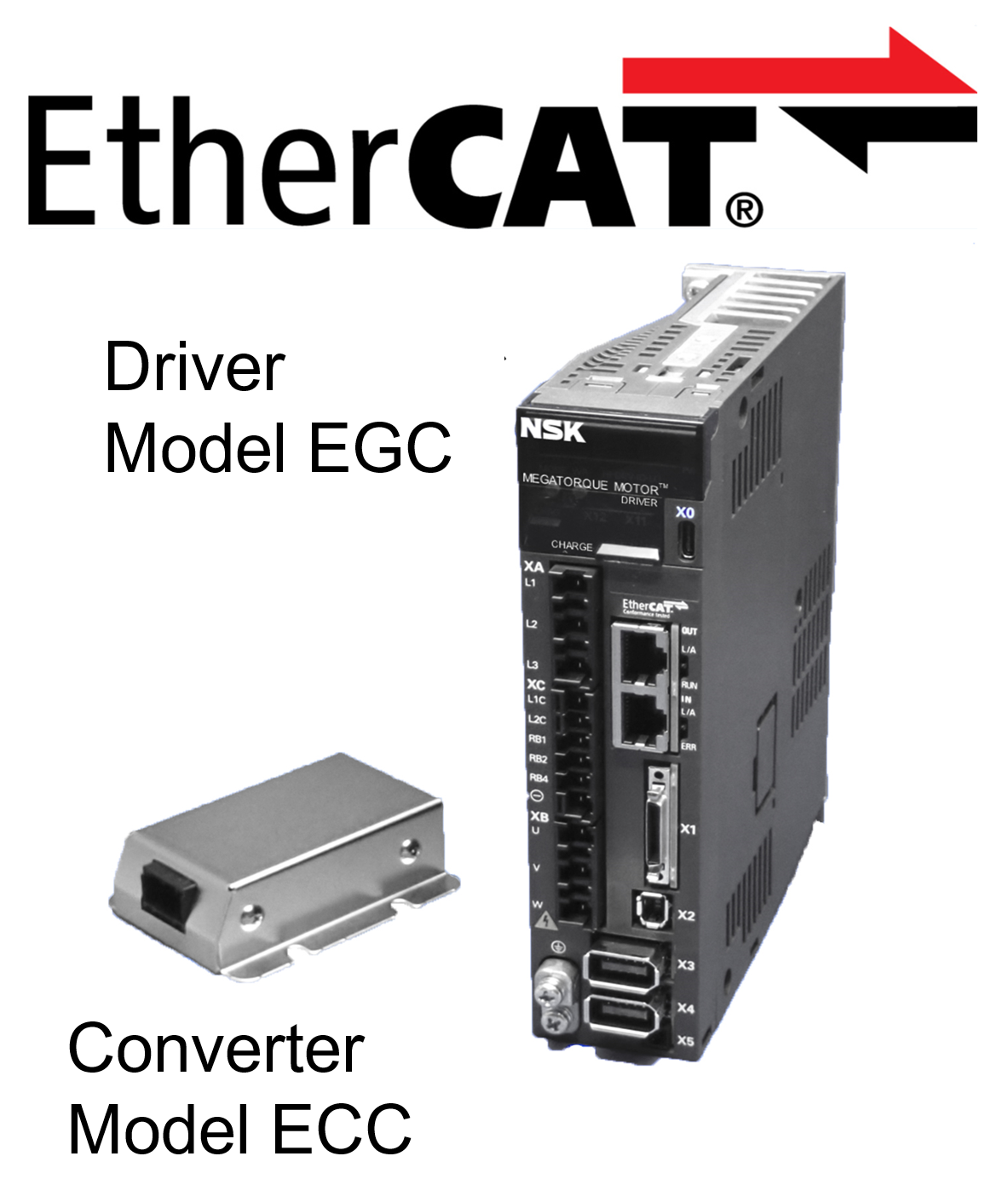
Fig.1 Driver Model EGC and Converter Model ECC
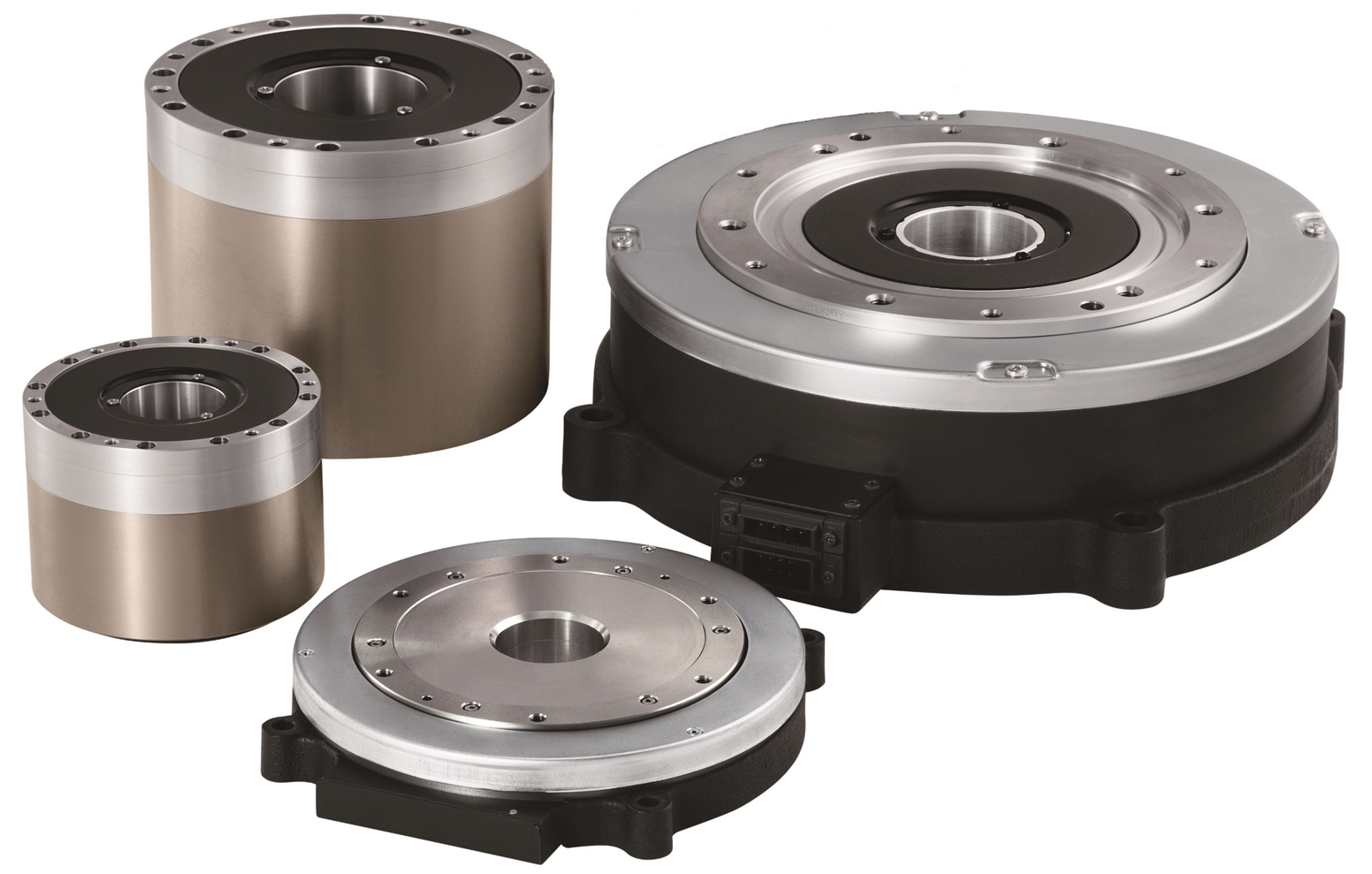
Fig.2 Megatorque Motor PS/PN Models
2. Configuration and Specifications
As shown in Fig.3, the system consists of the Megatorque Motor PS/PN Models, Driver Model EGC, and Converter Model ECC.
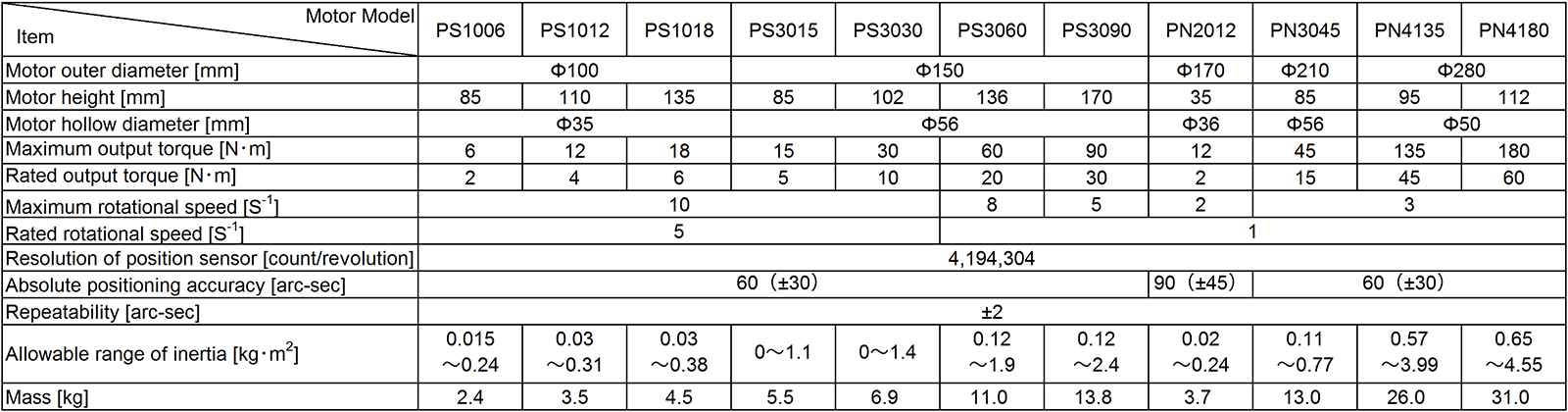
The lineup supports 11 existing motor models, enabling application across a wide range of equipment. Two driver models with different maximum output currents are available. For converters, 11 models are offered to match each motor type, converting the motor’s rotation position signal from analog to digital. Table 1 shows the specification list.
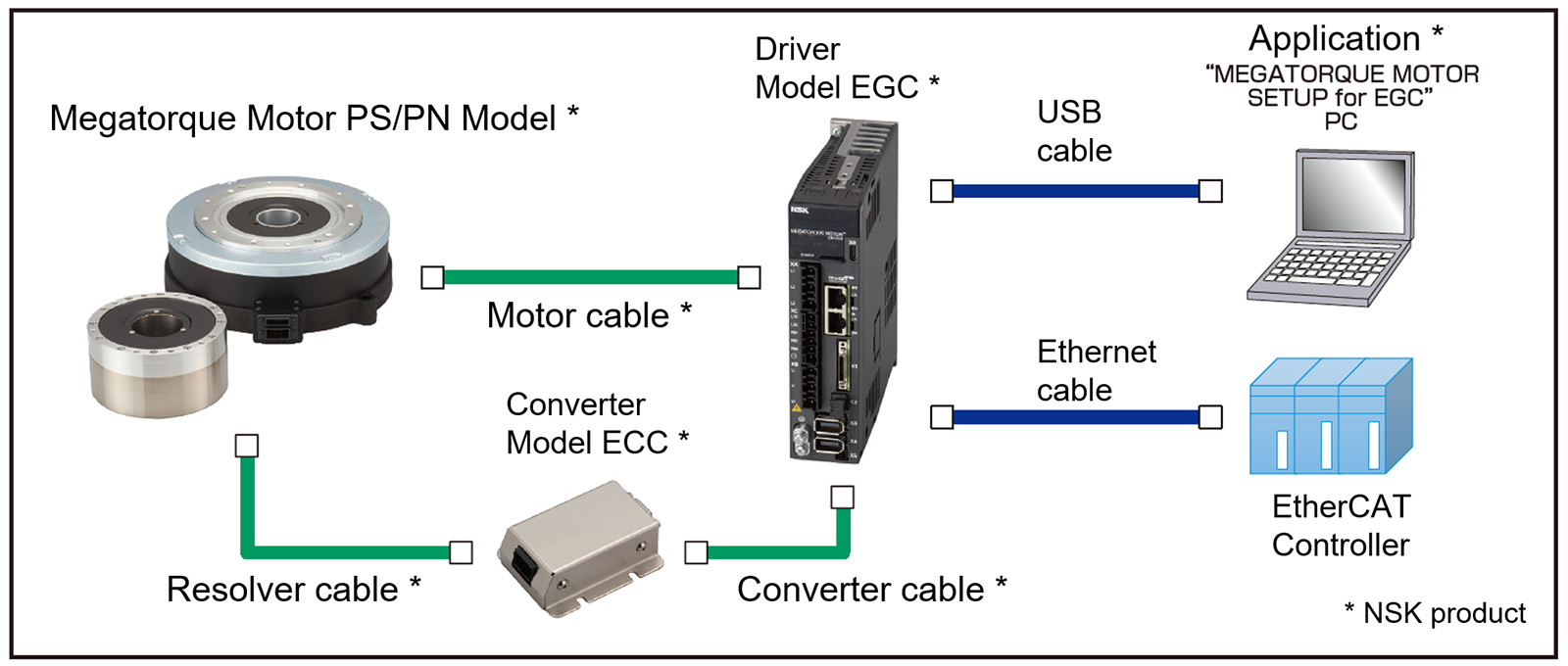
Fig.3 System configuration
Table 1 Specifications
3. Features
3.1 EtherCAT compatibility enables integrated multi-motor control and high-speed synchronous operation
Combined with the Megatorque Motor, these products allow operation over an EtherCAT network. This realizes integrated control and high-speed synchronous operation of multiple motors—including non-Megatorque devices—contributing to improved productivity through shorter equipment startup time and reduced operation time per process (Fig.4).
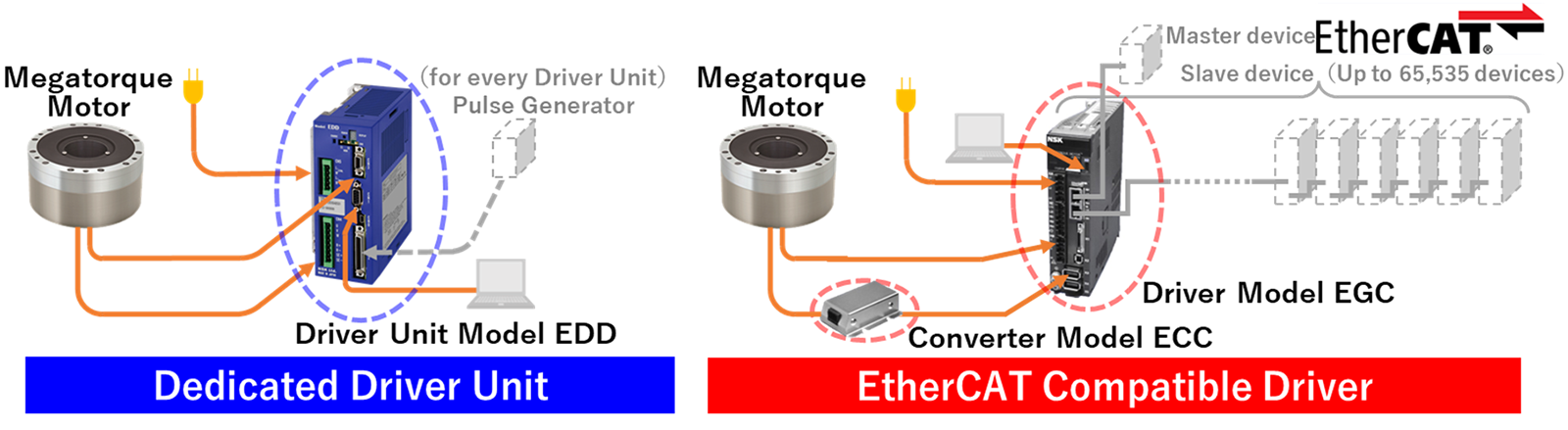
Fig.4 Comparison current model and new product
3.2 Achieves finer rotational positioning with 1.6 times higher angular resolution (4.19 million divisions)
The analog/digital processing of the signals from the dedicated resolver built into the Megatorque motor with the converter of this product improves the angular resolution by 1.6 times (angular resolution: 4.19 million divisions per revolution) compared to the current product (angular resolution: 2.62 million divisions per revolution). This enables more precise rotational positioning of the Megatorque Motor, contributing to high-precision positioning of the equipment.
3.3 Forced-air cooling reduces product size
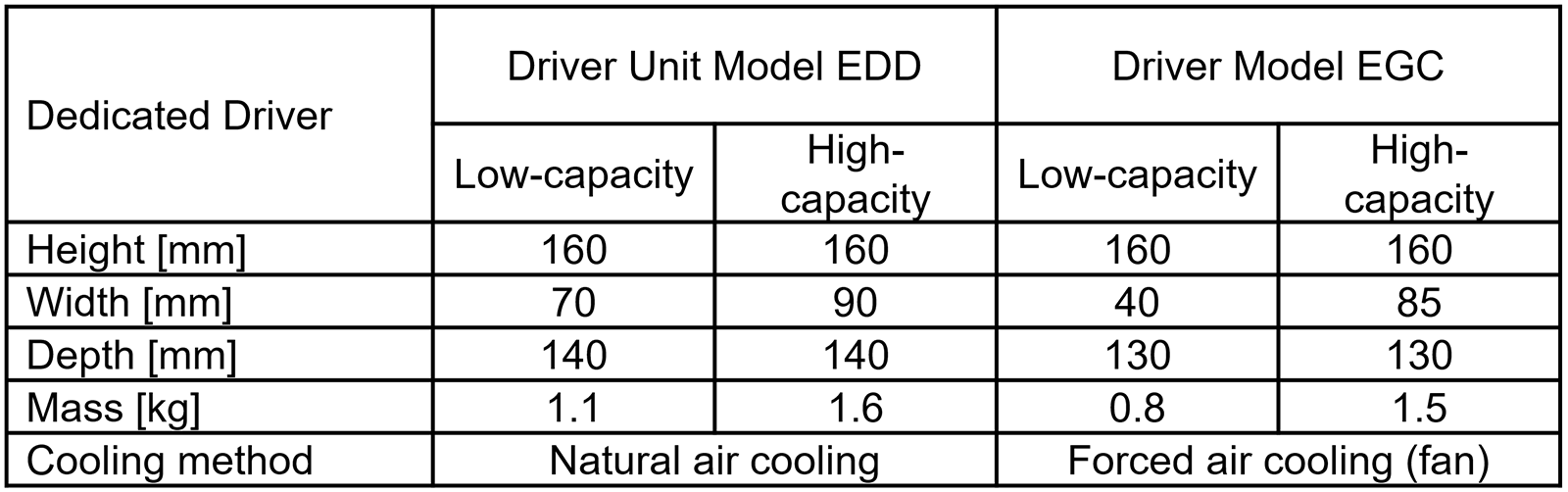
By adopting forced-air cooling using a fan for the driver's cooling, it became possible to reduce the size of the heatsink, resulting in a smaller size compared to the current dedicated drive unit. This contributes to the miniaturization and energy savings of the overall equipment (Table 2).
Table 2 Size comparison between current model and new product
4. Applications
- Semiconductor manufacturing equipment
- Small component assembly machines
- Image inspection equipment
5. Conclusion
We have developed the “EtherCAT-Compatible Driver Model EGC and Converter Model ECC” for Megatorque Motor PS/PN Models, supporting EtherCAT—an industrial Ethernet standard known for its excellent real-time performance and increasingly adopted in semiconductor manufacturing equipment. With the introduction of these new products, the Megatorque Motor’s traditional high environmental resistance is maintained, while enabling integrated control and high-speed synchronous operation of multiple motors. Additionally, the high angular resolution of 4.19 million divisions delivers highly precise positioning. These capabilities contribute to improved equipment productivity, enhanced accuracy, and further downsizing of the system.