
ROBUSTRIDE™ : Precision Single-Row Cylindrical Roller Bearing for Machine Tool Spindles
May 2026
Precision Bearing Technology Office
Precision and Special Bearing Technology Department
Industrial Machinery Bearing Technology Center
1. Introduction
In recent years, the global trend toward decarbonization has heightened the demand for energy-efficient machine tools. For high-speed spindle bearings, oil air lubrication, in which compressed air containing a small amount of lubricating oil is blown into the bearing is commonly used. However, the electricity required to generate compressed air is reported to account for approximately 10-20% of the total power consumed by machine tools during cutting operations, making the reduction of compressed air use a key energy-saving priority.
As a result, grease lubricated spindles, which eliminate the need for compressed air in bearing lubrication, are being reconsidered as a viable energy-saving solution. In response to this trend, we developed ROBUSTRIDE™ (Fig.1), a precision single‑row cylindrical roller bearing designed for the free side of machine tool spindles and optimized for grease lubrication. Grease lubricated free side cylindrical roller bearings must deliver durability and high-speed capability. ROBUSTRIDE was engineered to improve these performance attributes so it can be broadly applied across grease lubricated spindle platforms.
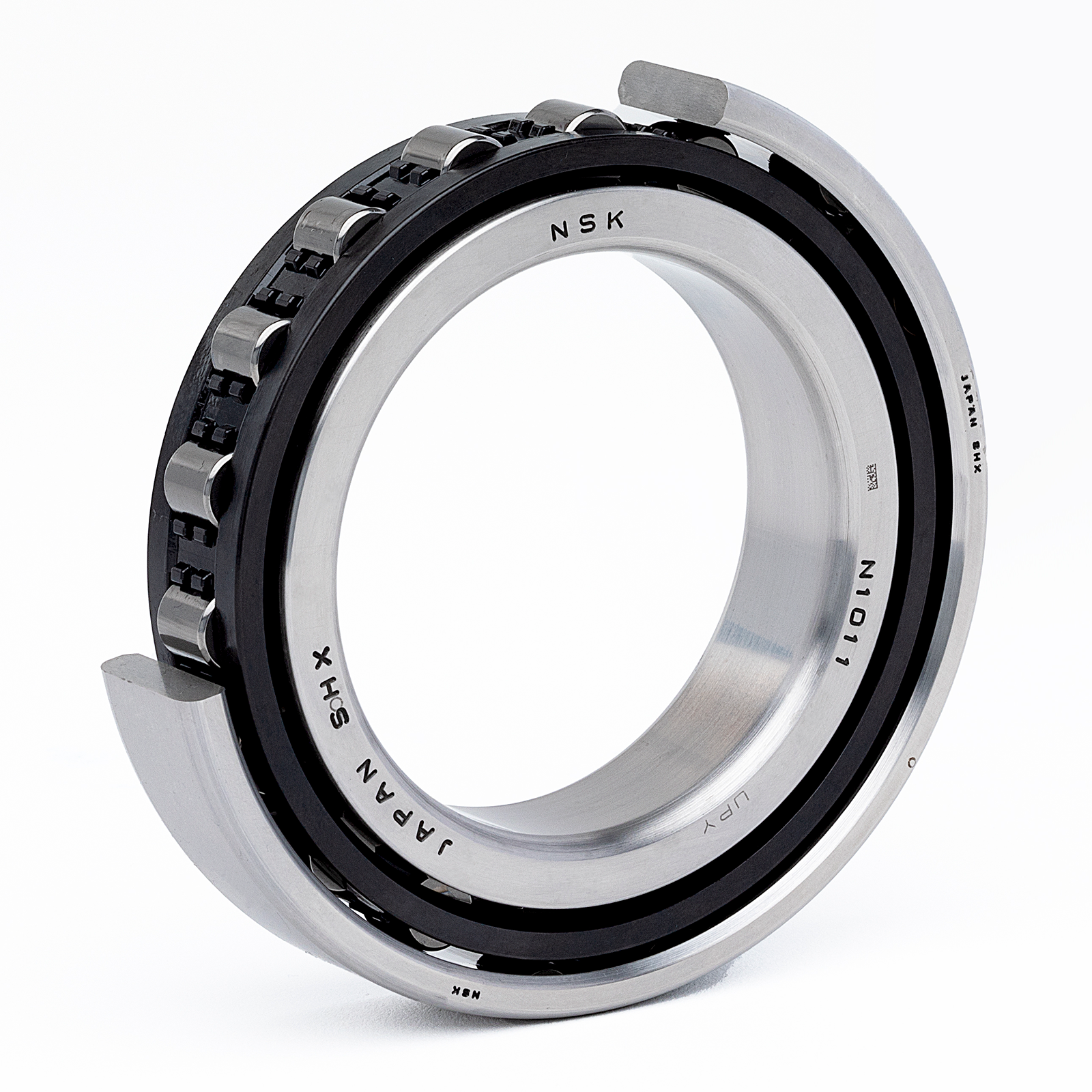
Fig.1 ROBUSTRIDE: Precision Single-Row Cylindrical Roller Bearing for Machine Tool Spindles
2. Configuration, Structure, and Specifications
ROBUSTRIDE adopts a PEEK resin, roller-guided cage that creates larger spaces on both sides of the rollers compared with the conventional product (Fig.2). This geometry enables more grease to be deposited near the roller running surfaces. By increasing the grease fill quantity by 50% relative to conventional designs, ROBUSTRIDE realizes multiple performance gains under grease lubrication.
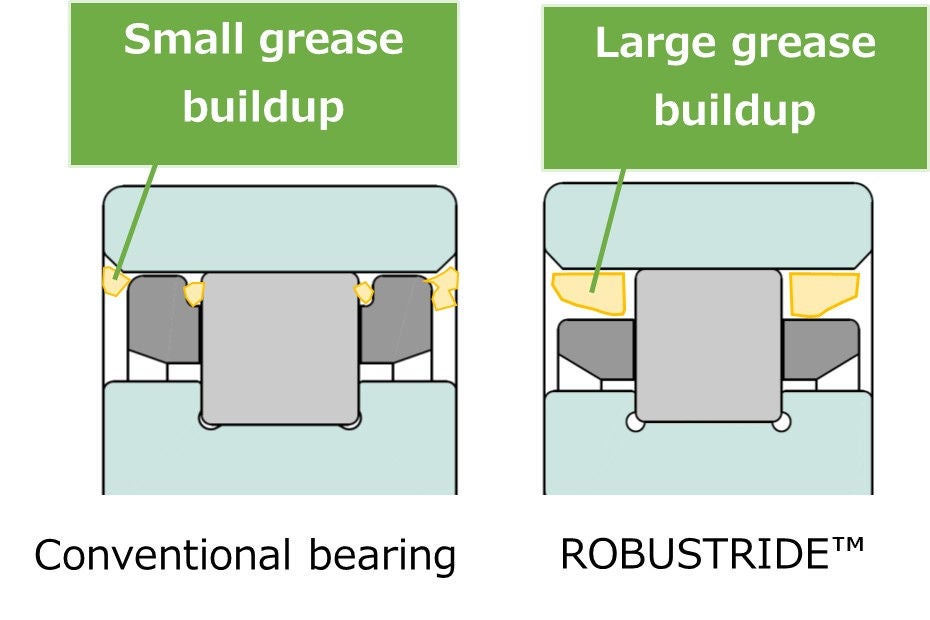
Fig.2 Comparison of Grease Deposition After Running-In
3. Features
3.1 Extended Grease Life
The roller-guided cage allows additional grease to be retained in proximity to the rollers, where lubrication is most critical. This facilitates the delivery of base oil to both rolling contact and sliding interfaces, improving lubrication and extending grease life by up to 60%.
Fig.3 illustrates a representative evaluation of grease life for the conventional product versus ROBUSTRIDE, showing the condition of grease adhesion on the inner diameter surface of the outer ring after a 1,000 hour endurance test. Fig.4 quantifies the remaining grease volume and demonstrates that ROBUSTRIDE retains more than twice the amount of grease compared with the conventional product. In addition to the residual quantity, improvements in grease life were corroborated by evaluation metrics such as oil separation rate and iron wear residue.
These results contribute to greater reliability of grease lubricated spindles and a reduced bearing replacement frequency.
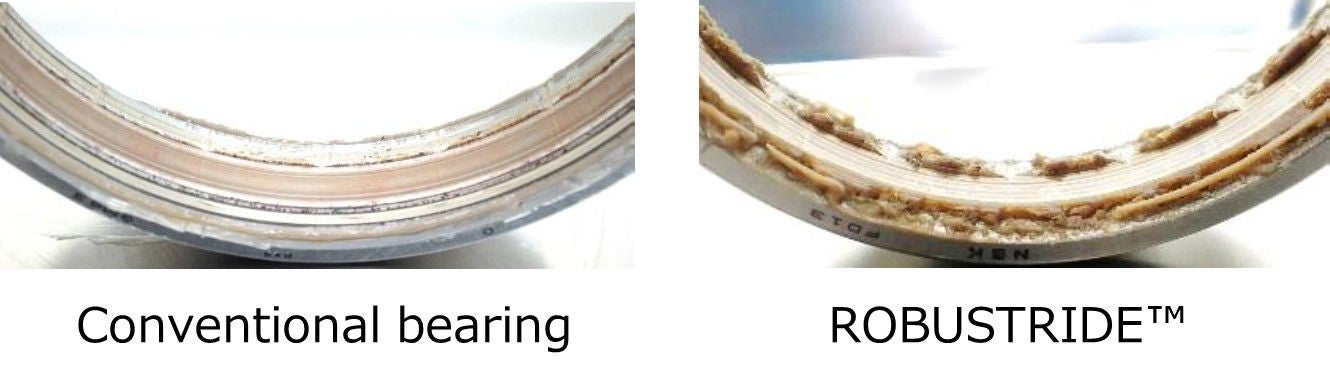
Fig.3 Residual Grease on the Outer Ring Raceway After Endurance Testing
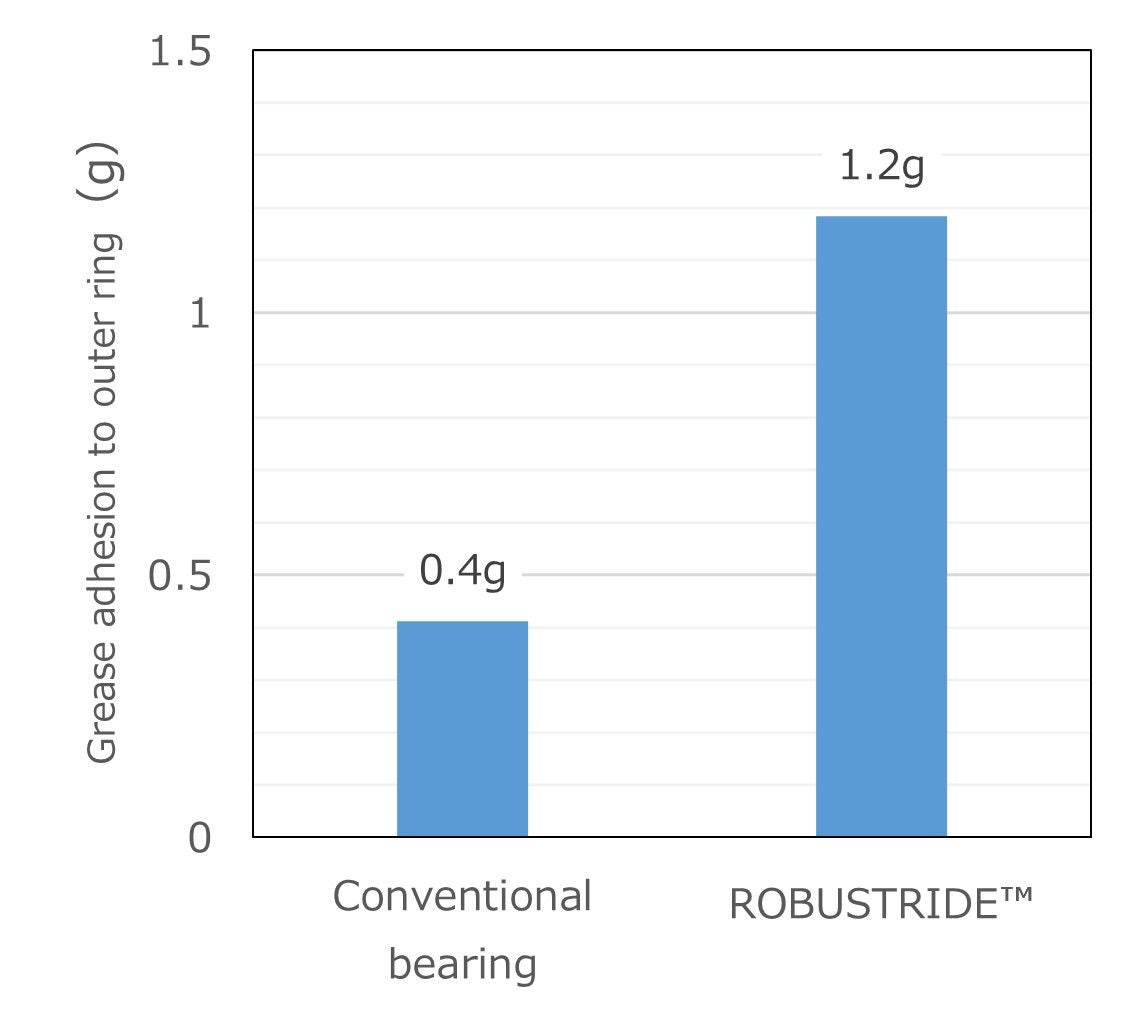
Fig.4 Amount of Residual Grease on the Outer Ring Raceway After Endurance Testing
3.2 Higher Allowable Rotational Speed
Beyond improved grease lubrication behavior, enhancements to cage durability support an increase of up to approximately 20% in allowable rotational speed under grease lubrication.
3.3 Shorter Grease Running-In Time
If a grease lubricated spindle is rapidly accelerated immediately after assembly and then operated continuously, the agitation heat generated by the grease can lead to seizure damage. To prevent this, a running-in procedure*1 is required: the spindle speed is gradually increased from low speed to discharge excess grease from within the bearing to positions where it does not cause agitation resistance.
ROBUSTRIDE incorporates spaces on both sides of the rollers, enabling smooth discharge of excess grease from the bearing interior. This suppresses heat generation due to grease agitation during running‑in and allows the process to be completed in a shorter time. Fig.5 shows outer ring temperatures during running-in for the conventional product and ROBUSTRIDE; the data indicate that ROBUSTRIDE reduces running-in heat generation and eliminates cooling downtime.
*1: Running-in operation performed during spindle assembly.
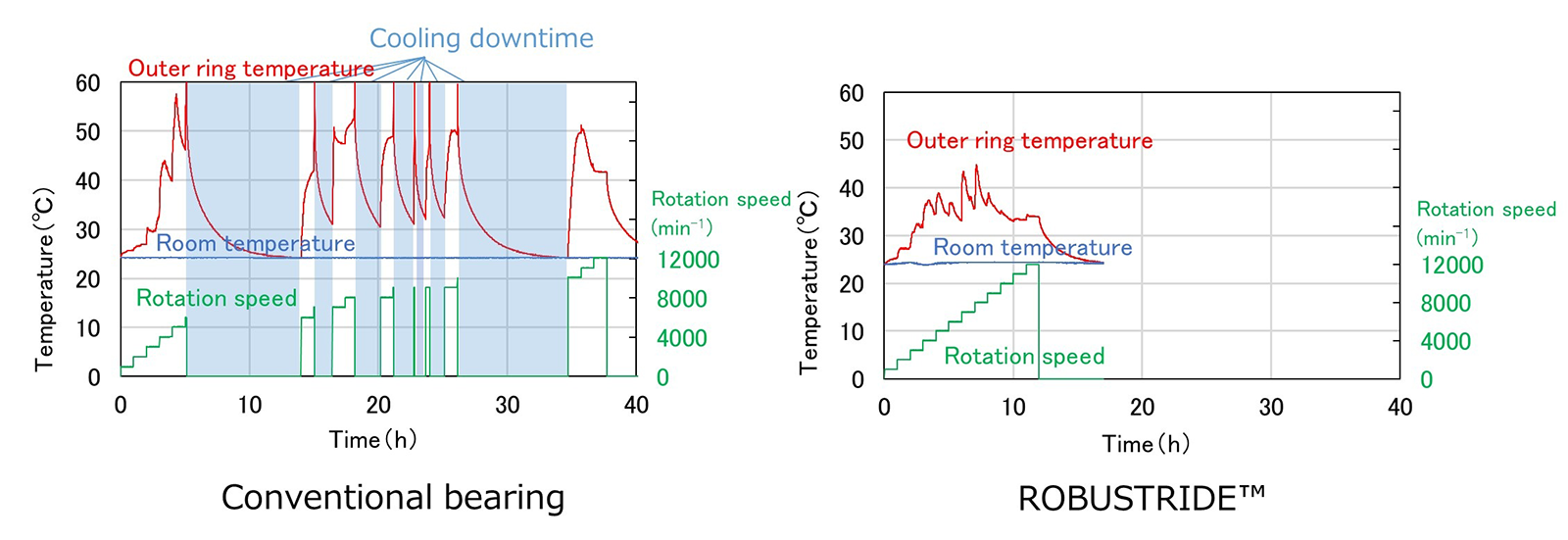
Fig.5 Temperature Rise and Running-In Time During Break-In Operation
4. Applications
ROBUSTRIDE is suitable for the free side of spindles used in machining centers and lathes. Like the conventional product, it can be used with oil‑air lubrication as well as grease lubrication.
5. Conclusion
By enhancing reliability under grease lubrication, ROBUSTRIDE supports the grease lubrication of machine tool spindles—an effective option for energy conservation and environmental initiatives. We remain committed to developing innovative bearing technologies that contribute to a sustainable society.