
Reconditionable Large-Size Tapered Roller Bearings with High Load Capacity
May 2026
Product Lifecycle Management Technology Department
Industrial Machinery Technology Development Center
1. Introduction
Amid increasing global urbanization and higher needs for mineral resources like iron ore and coal, mining sites face increased pressure to make urgent efforts toward carbon neutrality in their energy-intensive operations. Specific initiatives include improving equipment utilization rates, advancing electrification, and reusing components to save energy and reduce CO2 emissions.
Mining equipment such as dump trucks and crushers operate 24 hours a day under harsh conditions with heavy loads and strong vibration, making regular maintenance with component reuse essential.
During equipment maintenance cycles (Fig.1), various components (shafts, gears, etc.) are reconditioned back into service; however, conventional bearings cannot be readily refurbished, so they must be completely scrapped and replaced regularly. Therefore, reconditionable bearings serve a growing need in the market.
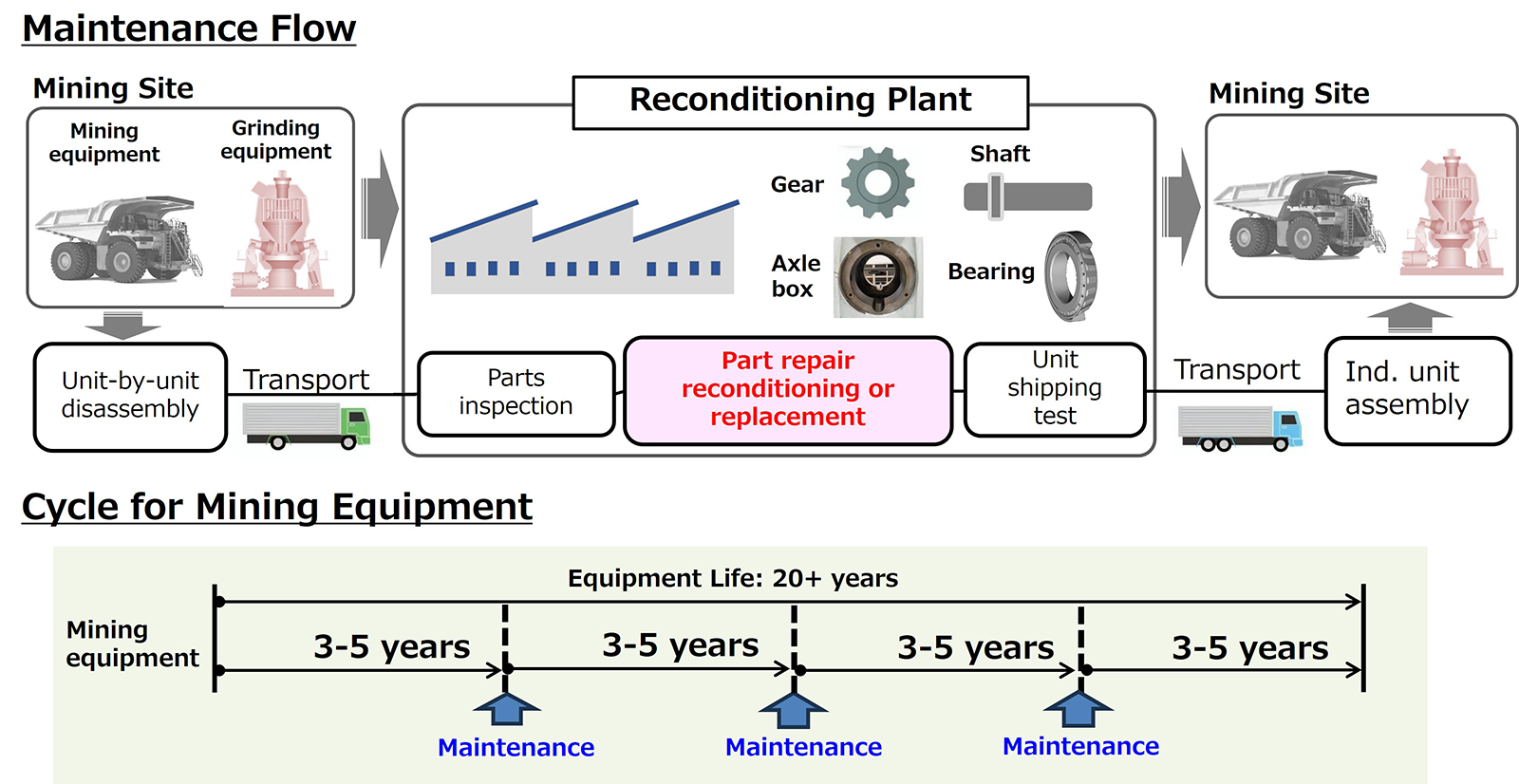
Fig.1 Maintenance Cycle for Mining Equipment
2. Features of the Developed Bearing
Reconditionable large-size tapered roller bearings with high load capacity feature a structure with a separable small rib (Fig.2), allowing for detailed inspections.
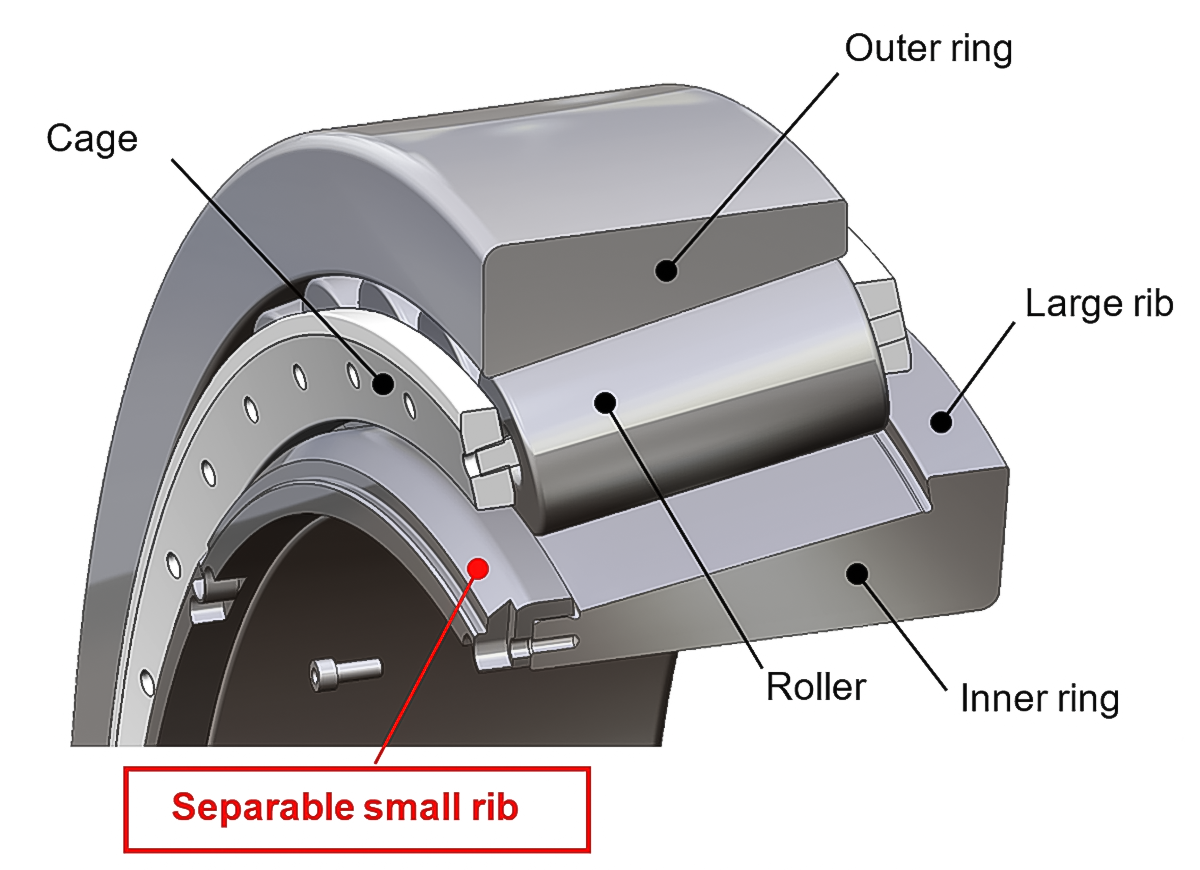
Fig.2 Structure of the Developed Product
Feature 1: Long Life (High Load Capacity) for Long-Term Use
Highly accurate prediction of bearing life through “NSK Micro-UT™” testing method*1 (Press release: https://www.nsk.com/company/news/2024/nsk-extends-basic-rating-life-estimated-life--of-rolling-bearings/) provides a high load capacity design with up to 2 times longer life.
*1: A technology that accurately predicts a spalling life of rolling bearings based on the size and quantity (statistical data) of non-metallic inclusions in steel materials.
Feature 2: Separable Structure for In-Depth Inspections
In tapered roller bearings, the rollers are guided by rims on the inner ring called the large and small ribs. In conventional bearings, only the outer ring can be separated easily, but new reconditionable tapered roller bearings address this issue with a separable small rib held in place by removable bolts. With this configuration, the rollers, cage, and inner ring can all be separated, allowing detailed inspections for all parts (Fig.3).
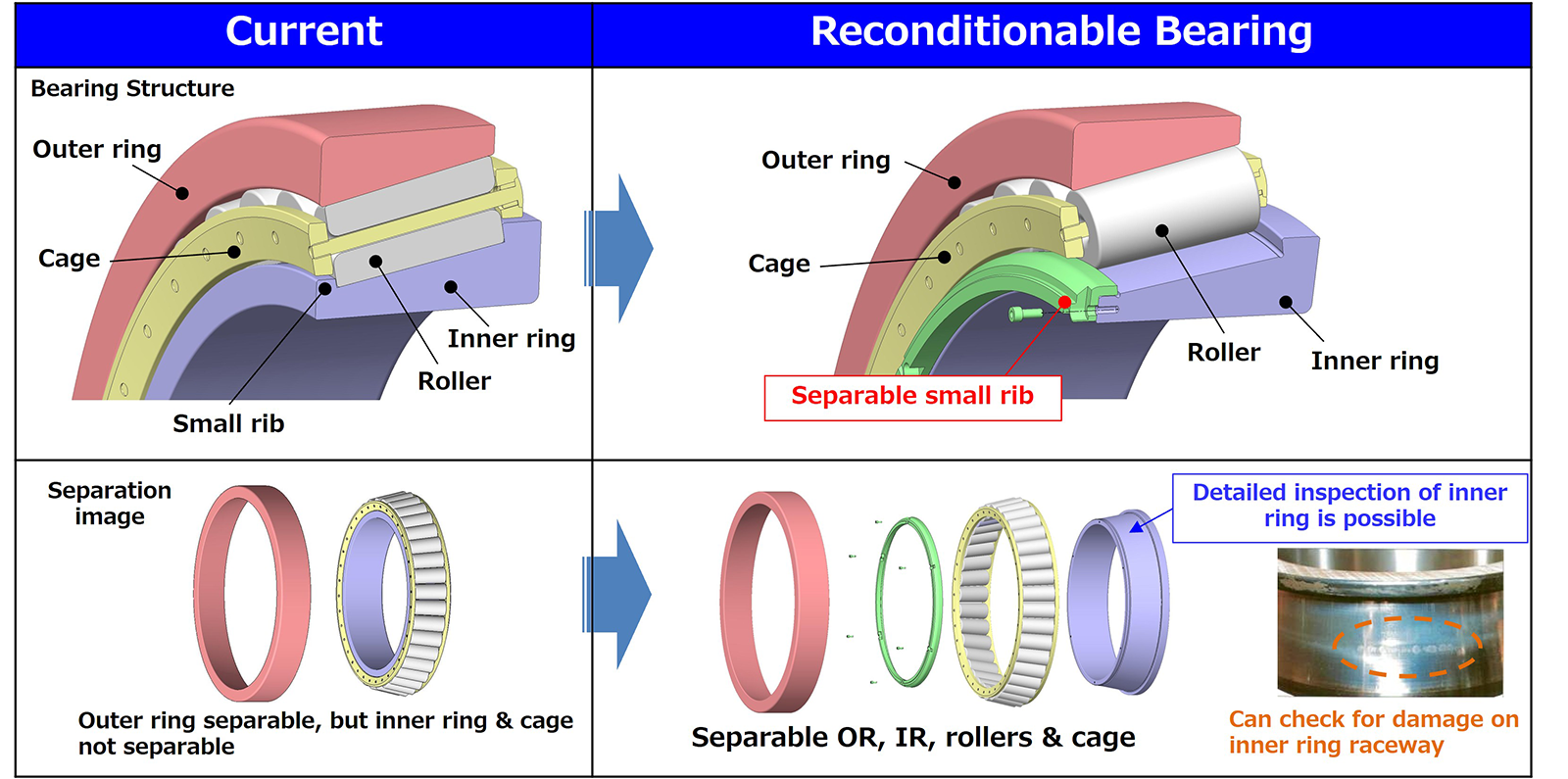
Fig.3 Separable Structure
Feature 3: Anti-Vibration Staked-Bolt Design
Mining applications are characterized by vibration, which can cause the fasteners for separable parts to become loose or even fall out. The bolts used to hold the separable small rib of reconditionable bearings in place are secured by staked bolt holes to prevent dislocation, helping to further improve reliability (Fig.4).
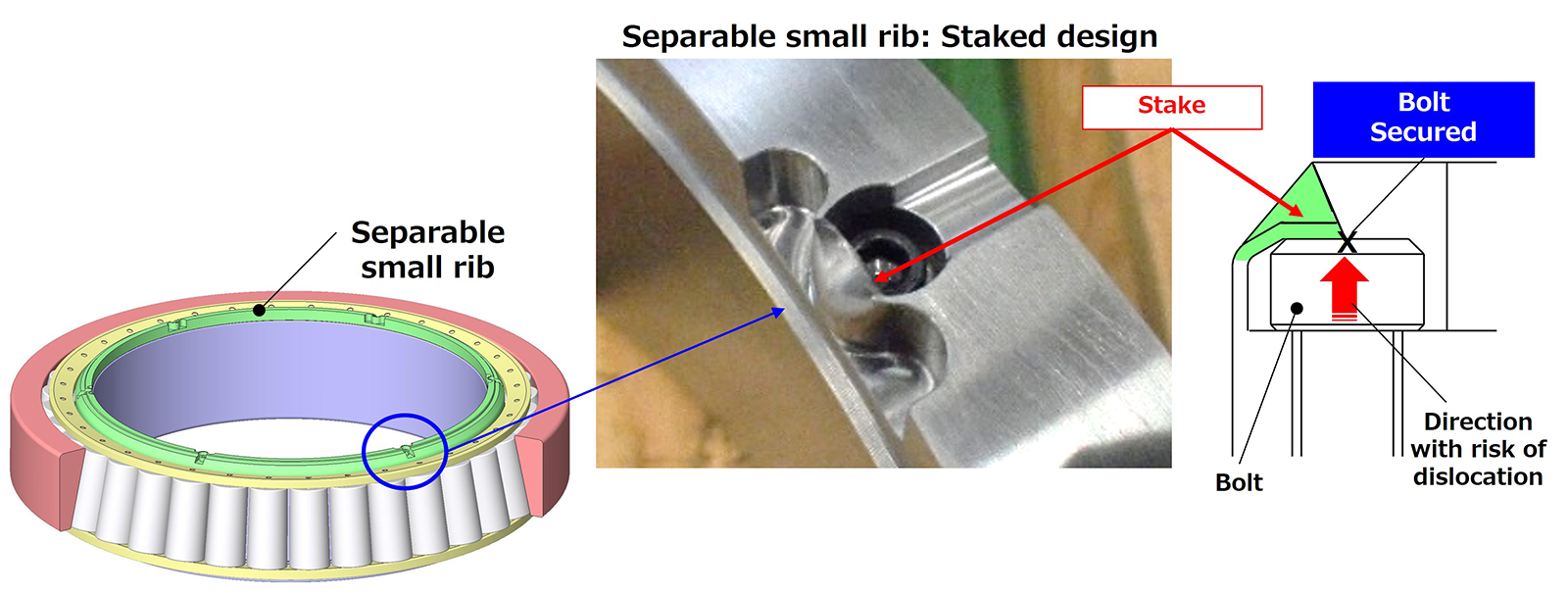
Fig.4 Anti-Loosening Measure (Staked Design)
3. Applications
Reconditionable bearings can be used in mining applications where bearings would typically be replaced during maintenance, such as dump trucks and crushers (Fig.5).
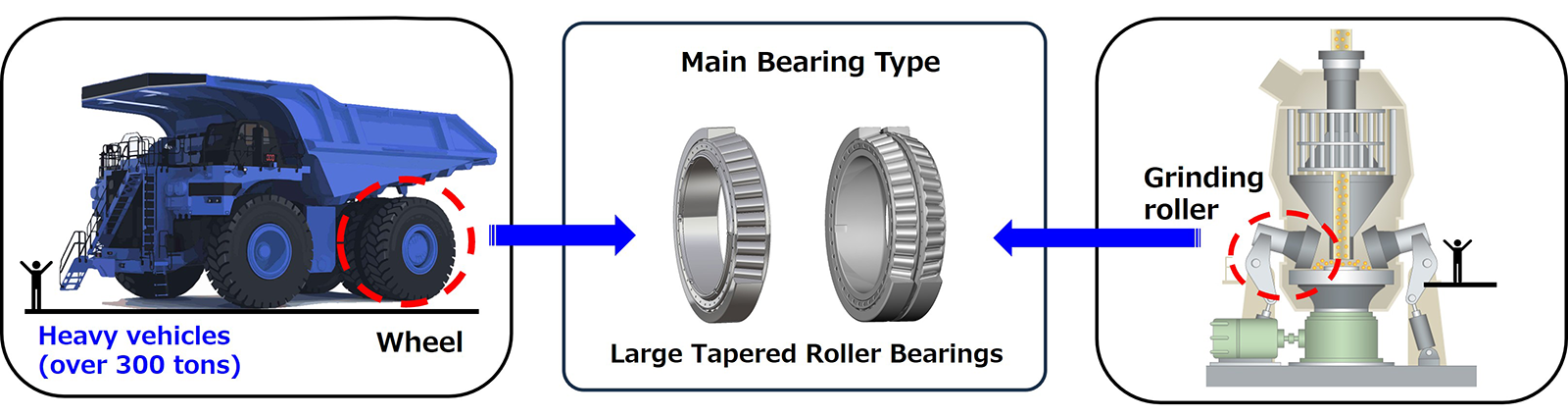
Fig.5 Bearings Used in Mining Machinery
4. Conclusion
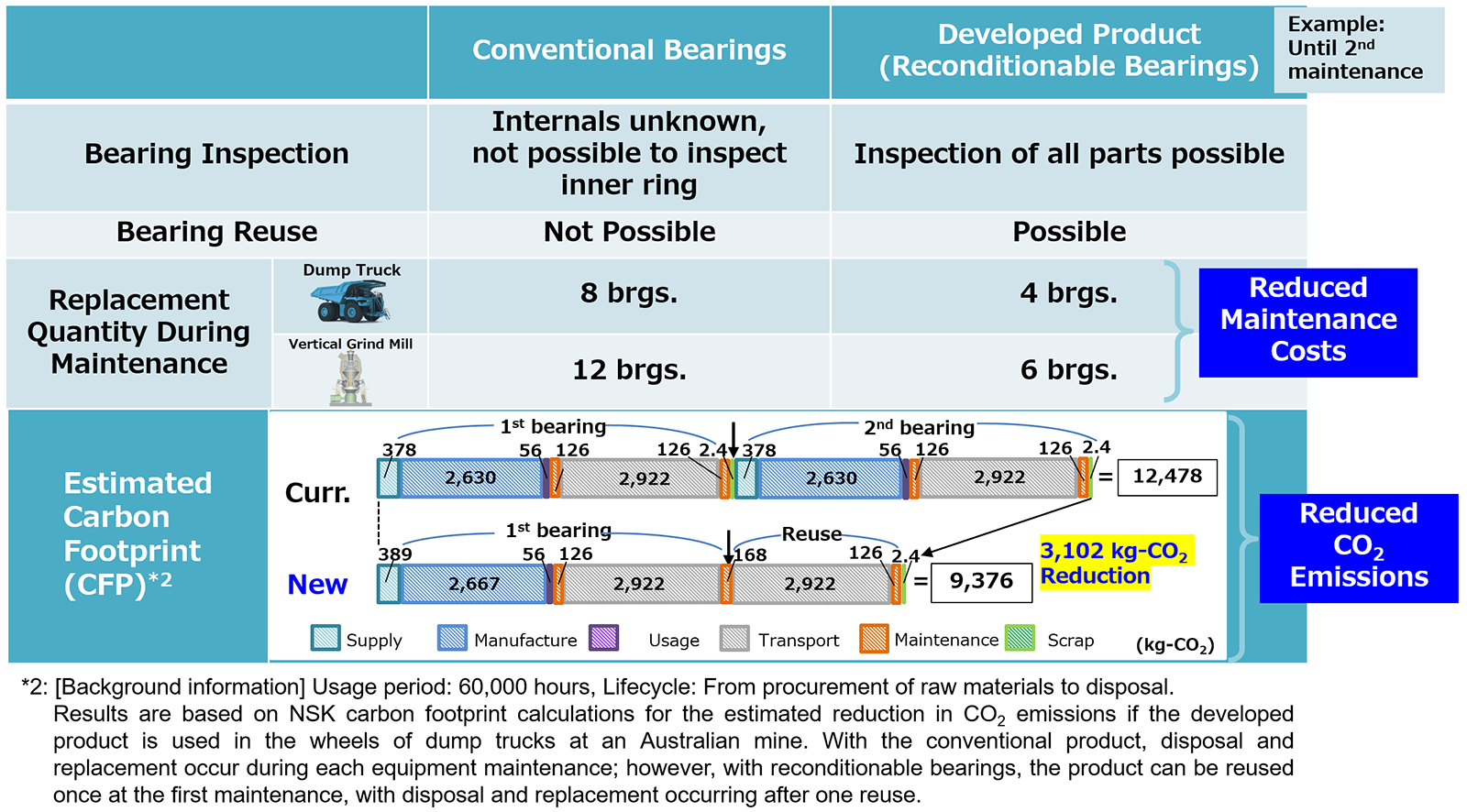
Reconditionable large-size tapered roller bearings with high load capacity allow for detailed inspection of all bearing components so that any abnormalities can be addressed through reconditioning or corrective actions during each maintenance cycle. With extended reuse now possible, maintenance costs and CO 2 emissions can be reduced (Press release: NSK Publishes Japanese Bearing Industry’s First Carbon Footprint of Products (CFP) Assessment for Reconditionable Large-Size Tapered Roller Bearings with High Load Capacity).
Table 1 Benefits of Reconditionable Bearings
These bearings also serve as a key product and functional example of NSK's efforts to establish and expand PLM*3 models (Fig.6) with reconditioning as a core component (Press release: https://www.nsk.com/company/news/2025/nsk-launches-verification-program-to-promote-bearing-reconditioning-and-reuse/).
*3: Product Lifecycle Management considers a product's manufacture and use throughout its entire lifecycle. NSK's PLM strategy envisions equipment maintenance and repair as a key service after the sale of a product.
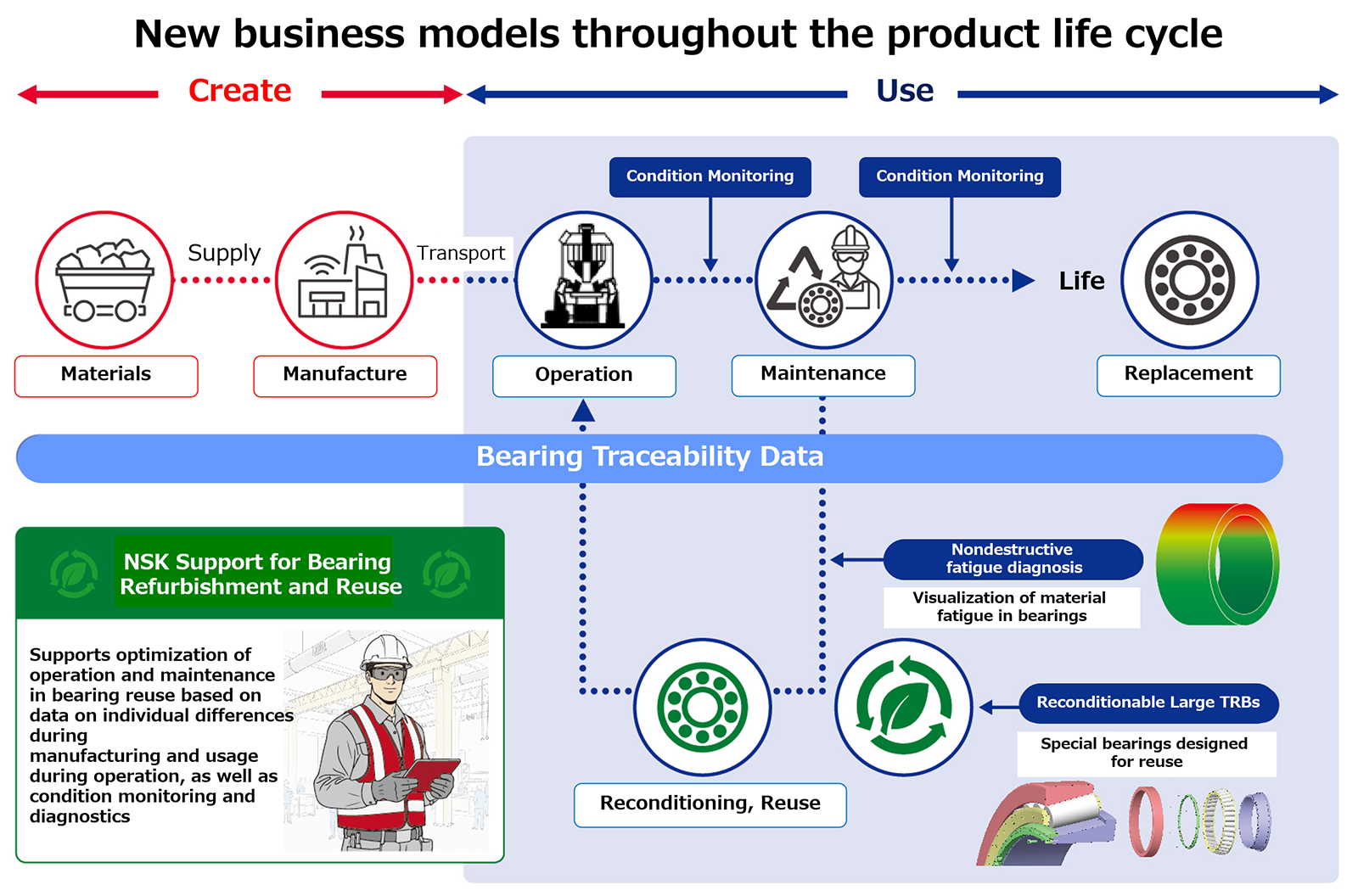
Fig.6 PLM model