
Next-Generation High Load Capacity Tapered Roller Bearings for Wind Turbine Gearboxes
May 2026
Roller Bearing Technology Office 2
Roller Bearing Technology Department
Industrial Machinery Technology Development Center
1. Introduction
With the increasing severity of global warming and climate change, wind power generation, one of the renewable energy sources that does not emit greenhouse gases, has attracted attention, and demand has been expanding year by year. To improve power generation efficiency, wind turbines are becoming larger and increasingly deployed offshore; however, this has created challenges such as rising construction and transportation costs as well as higher maintenance expenses.
As a result, gearboxes are required to be lighter. This, in turn, requires bearings to be more compact, which inevitably reduces bearing load capacity. In addition, thinner gearbox walls have become a recent design trend, leading to an overall decrease in stiffness. Consequently, gearbox deformation tends to cause localized loads and misalignment in the bearings, increasing the risk of failure. Therefore, for bearings installed in wind turbine gearboxes (Fig.1), achieving both high reliability (higher load capacity) and weight reduction has become an important challenge.
In response to these issues, NSK has developed a next-generation high load capacity tapered roller bearing that achieves approximately 25% higher load capacity and about 30% weight reduction compared with conventional products.
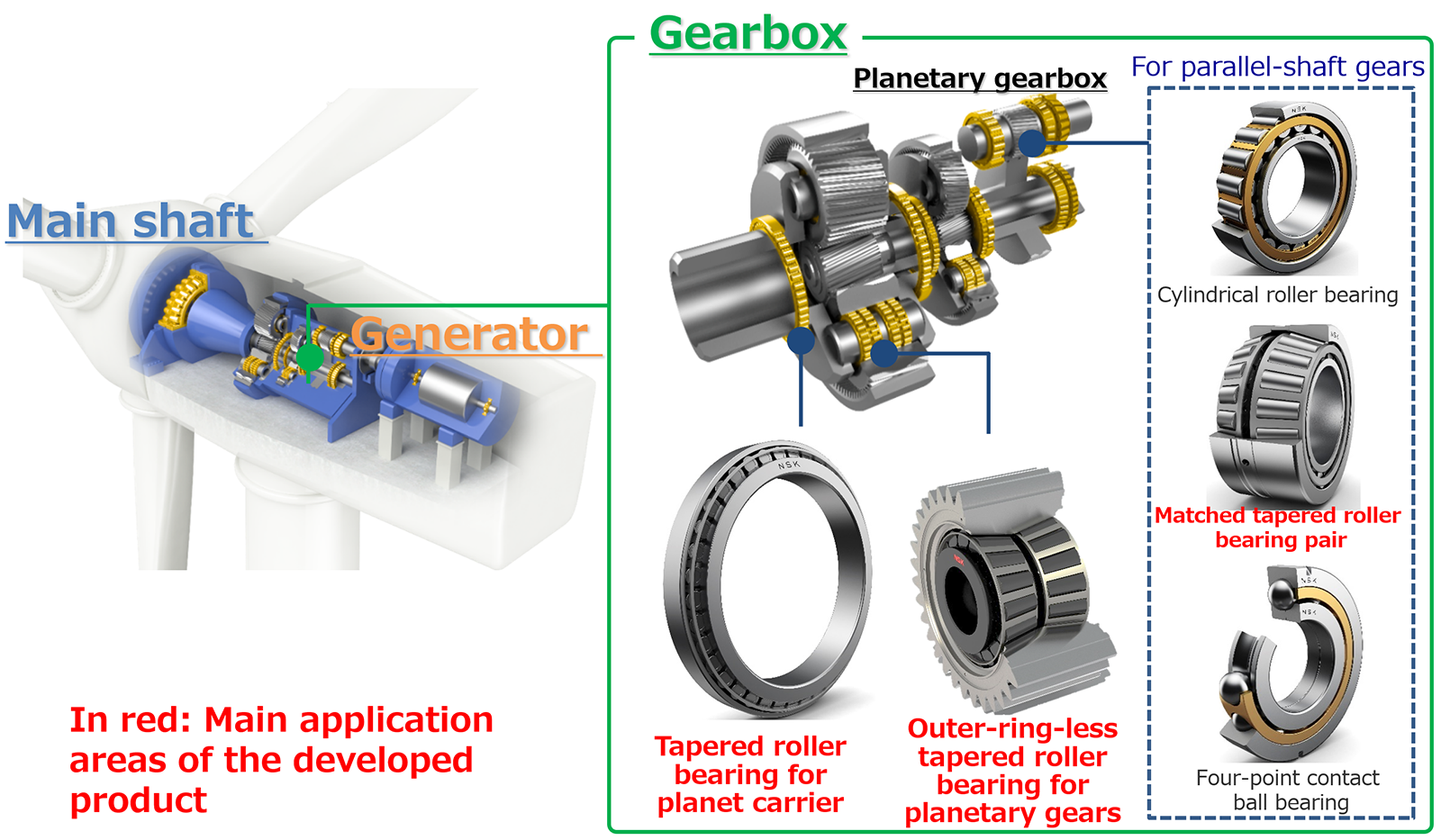
Fig.1 Bearings used in wind turbine gearboxes
2. Technical Overview of the Developed Bearing
Tapered roller bearings are typically provided with crowning on the rolling elements and/or the raceways to prevent excessive contact stress from occurring at the contact edges under load. Conventional designs use a single-radius crowning profile, which tends to make contact stress non-uniform depending on load conditions (Fig.2). On the other hand, because wind turbine operating conditions vary with wind conditions, wind turbine bearings must be designed assuming a wide range of load conditions in practical use.
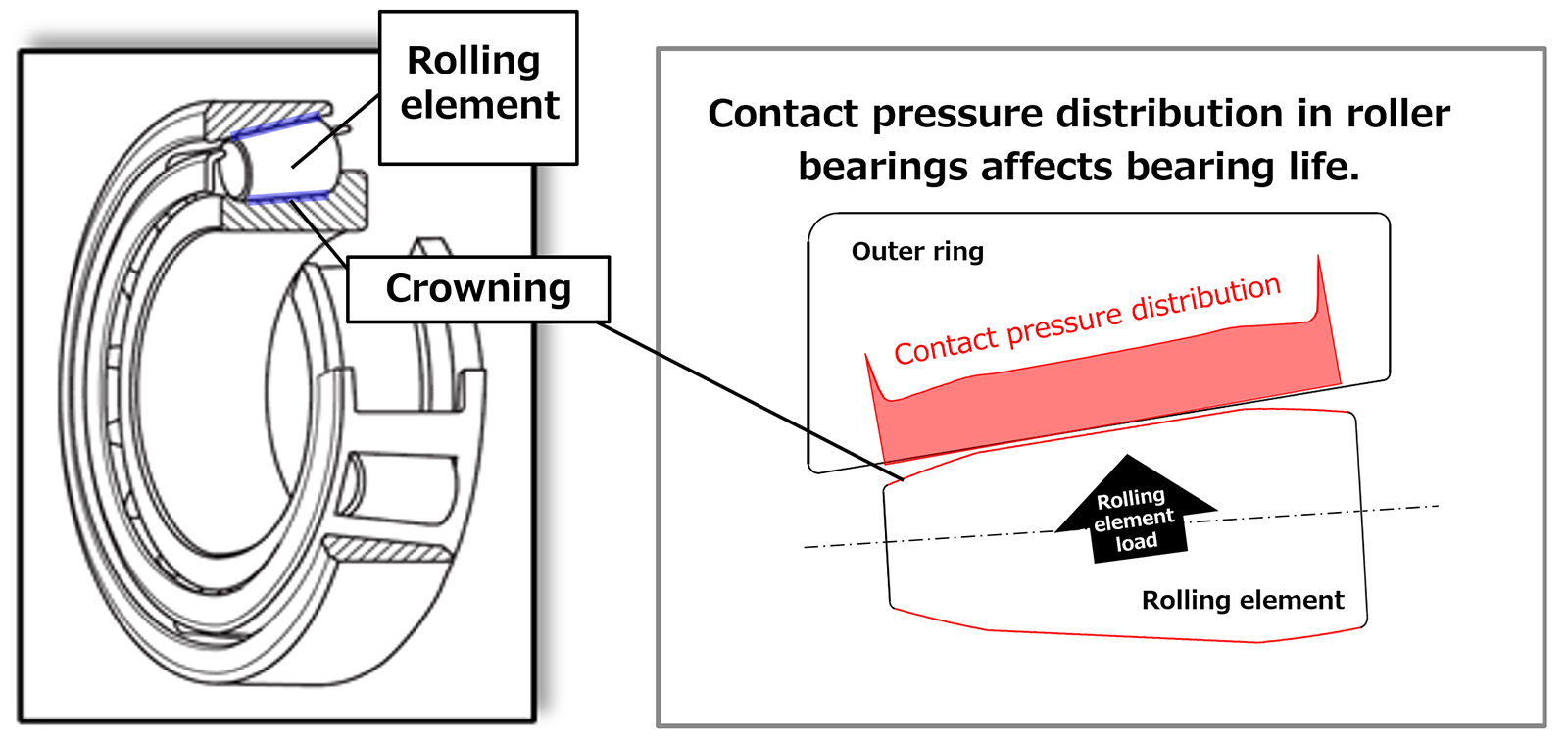
Fig.2 Contact pressure distribution in a conventional crowning profile.
In the developed bearing, a composite crowning profile that combines a single-radius profile with a logarithmic profile is applied to the rolling elements (Fig.3). To suppress excessive edge contact stress over a wide range of load conditions while ensuring a uniform contact stress distribution along the rolling element length, simulations were performed across the assumed conditions to optimize the crowning profile. Whereas the conventional crowning profile has a single crowning radius, the developed crowning profile combines multiple shapes.
In addition, machining technology was developed and applied to realize this complex crowning profile without reducing productivity.
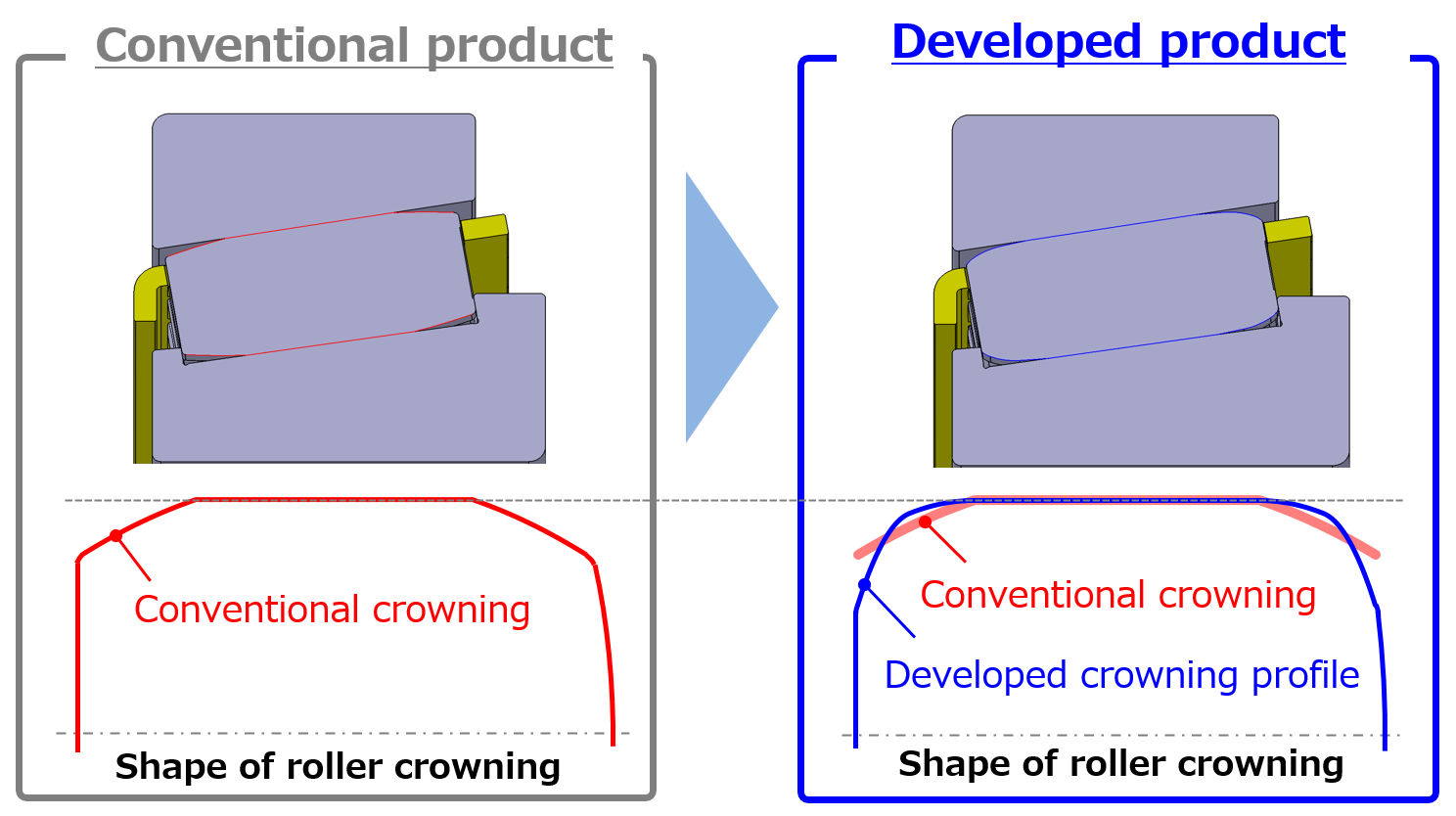
Fig.3 Comparison of the conventional and developed crowning profiles
3. Optimization of the Crowning Profile
In designing the crowning profile, parameters such as load conditions, misalignment, bearing clearance, and roller dimensions were considered, and optimization was carried out using non-Hertzian contact analysis based on the MLMI (Multi Level Multi Integration) method. The effects of the crowning profiles in the conventional and developed bearings on the contact stress distribution were compared under three load conditions: light load (P/Cr*=0.19), medium load (P/Cr=0.32), and heavy load (P/Cr=0.615), as shown below.
With the conventional crowning profile, non-uniform contact stress distribution was observed under all conditions. Under light load, contact stress increases at the boundary between the central region and the crowned region where the profile changes. Under medium load, excessive contact stress occurs at the edges, and under heavy load, the excessive contact stress increases substantially (Fig.4). In contrast, with the developed crowning profile, excessive contact stress at the edges is greatly suppressed, and a uniform contact stress distribution along the rolling element length is obtained under all conditions (Fig.5). This enables approximately 25% higher load capacity than the conventional product and achieves more than a twofold increase in bearing life.
* P: dynamic equivalent load, Cr: basic dynamic load rating
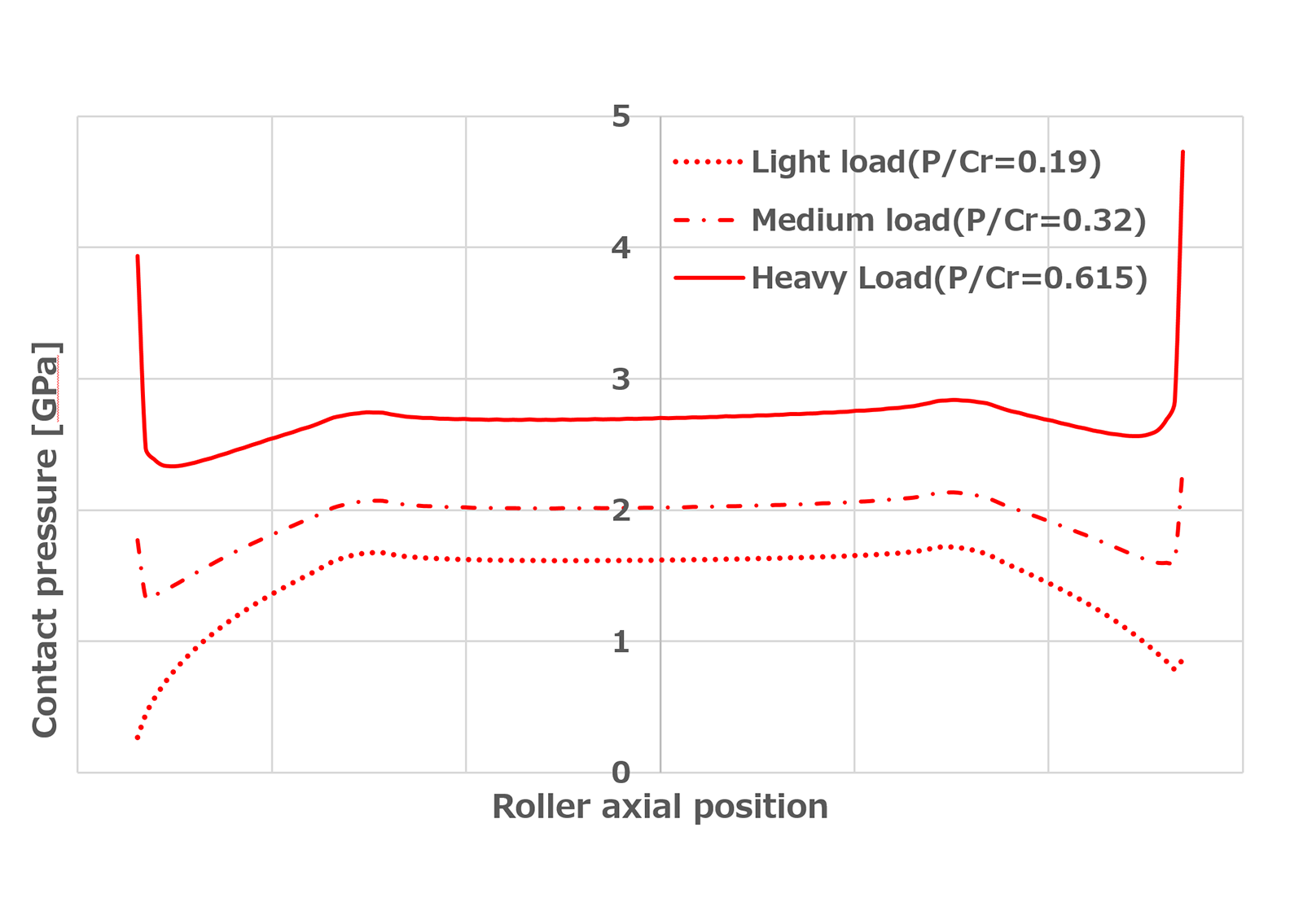
Fig.4 Contact stress distribution for the
conventional crowning profile
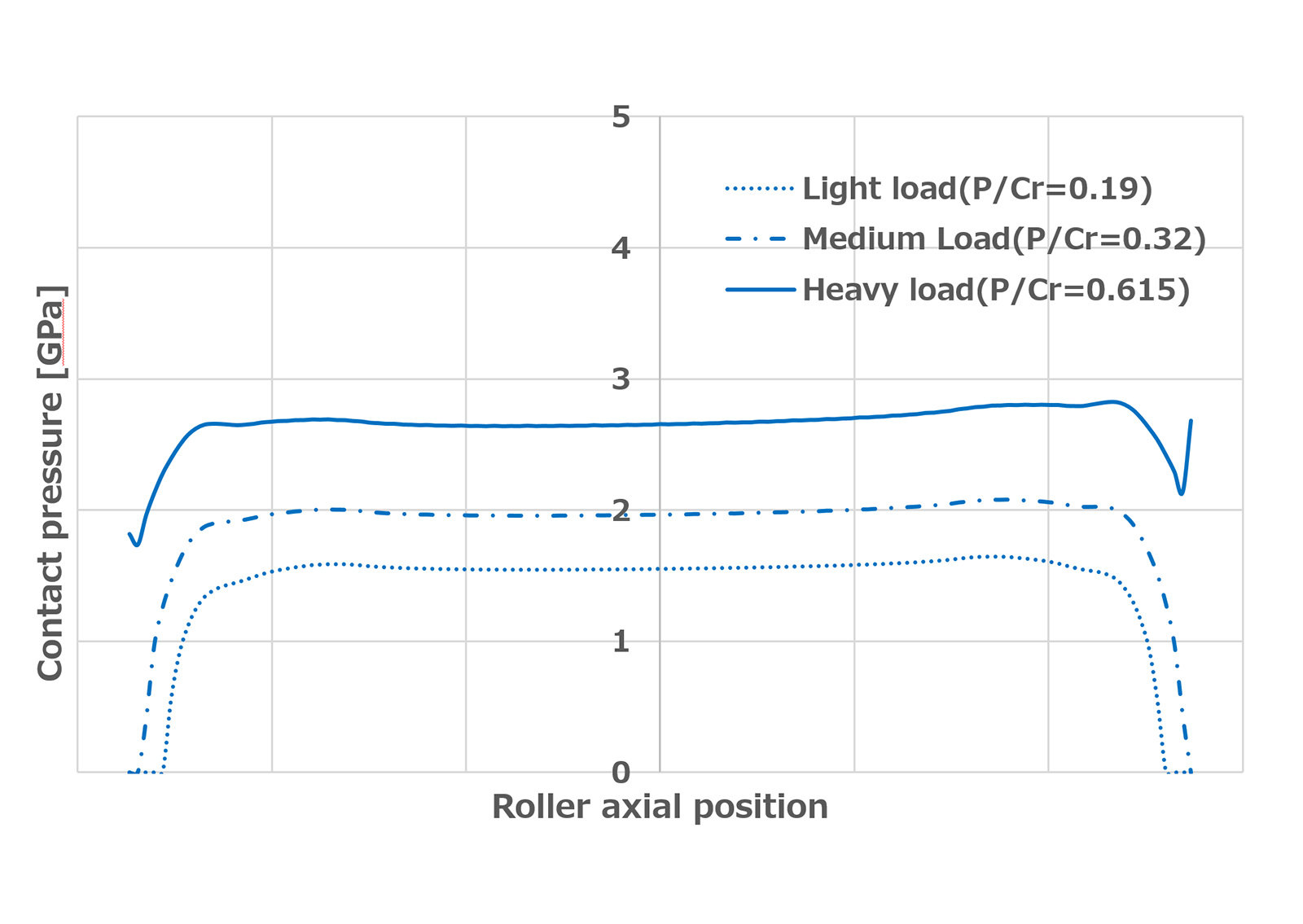
Fig.5 Contact stress distribution for the
developed crowning profile
4. Misalignment Resistance Performance
If bearings are used with the inner and outer rings tilted due to mounting errors or shaft deflection, contact stress acting on the bearing increases, which can lead to a significant reduction in bearing life. To compare misalignment resistance performance, the bearing life of the developed bearing under misalignment conditions was calculated and presented as a life ratio relative to the conventional bearing (Fig.6). Here, “misalignment resistance performance” refers to the practically allowable tilt angle between the inner and outer rings. The developed bearing provides improved misalignment resistance performance compared with the conventional bearing, and under all misalignment conditions achieves bearing life at least twice that of the conventional bearing.
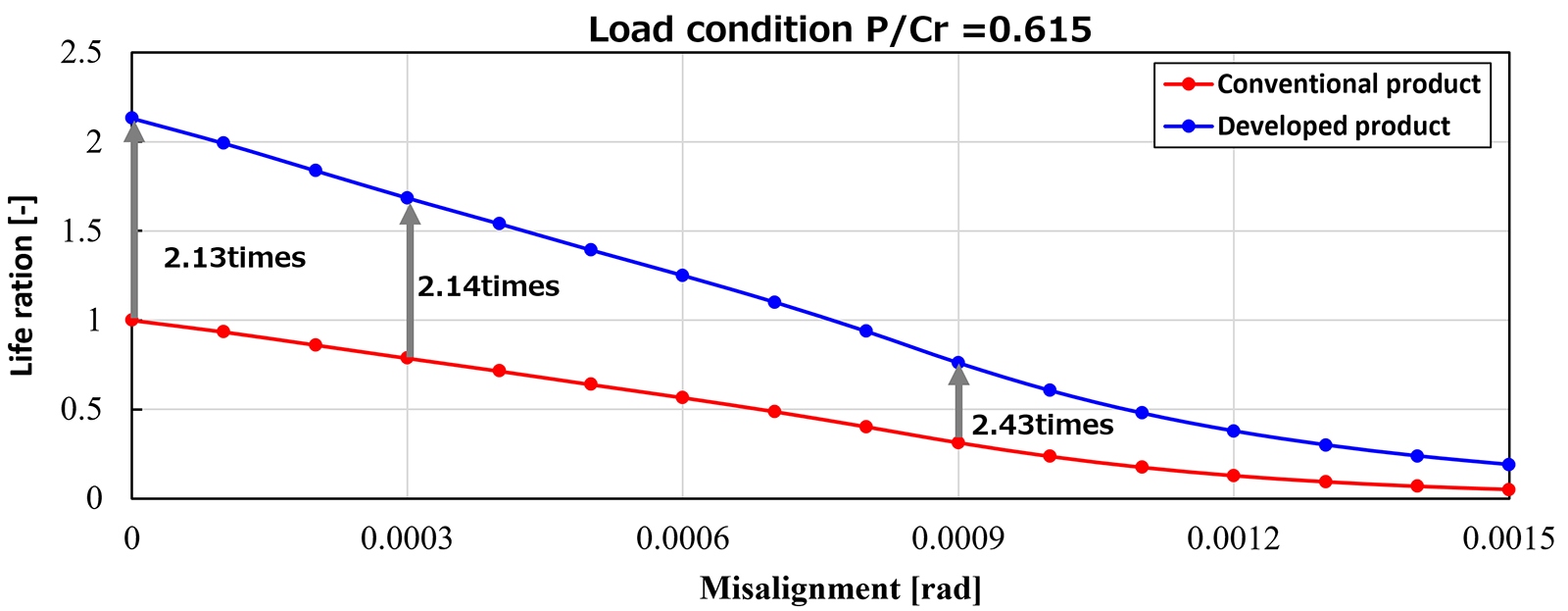
Fig.6 Comparison of misalignment resistance performance between the conventional and developed bearings
5. Weight Reduction through Increased Load Capacity
With the conventional product, bearing size had to be increased in order to avoid excessive and non-uniform contact stress under high loads. In contrast, the developed product resolves this issue by optimizing the crowning profile to make contact stress more uniform, making it possible to use a bearing of the same size as the conventional product. As a result, under the same operating conditions as the conventional product, approximately 30% weight reduction is expected (Fig.7).
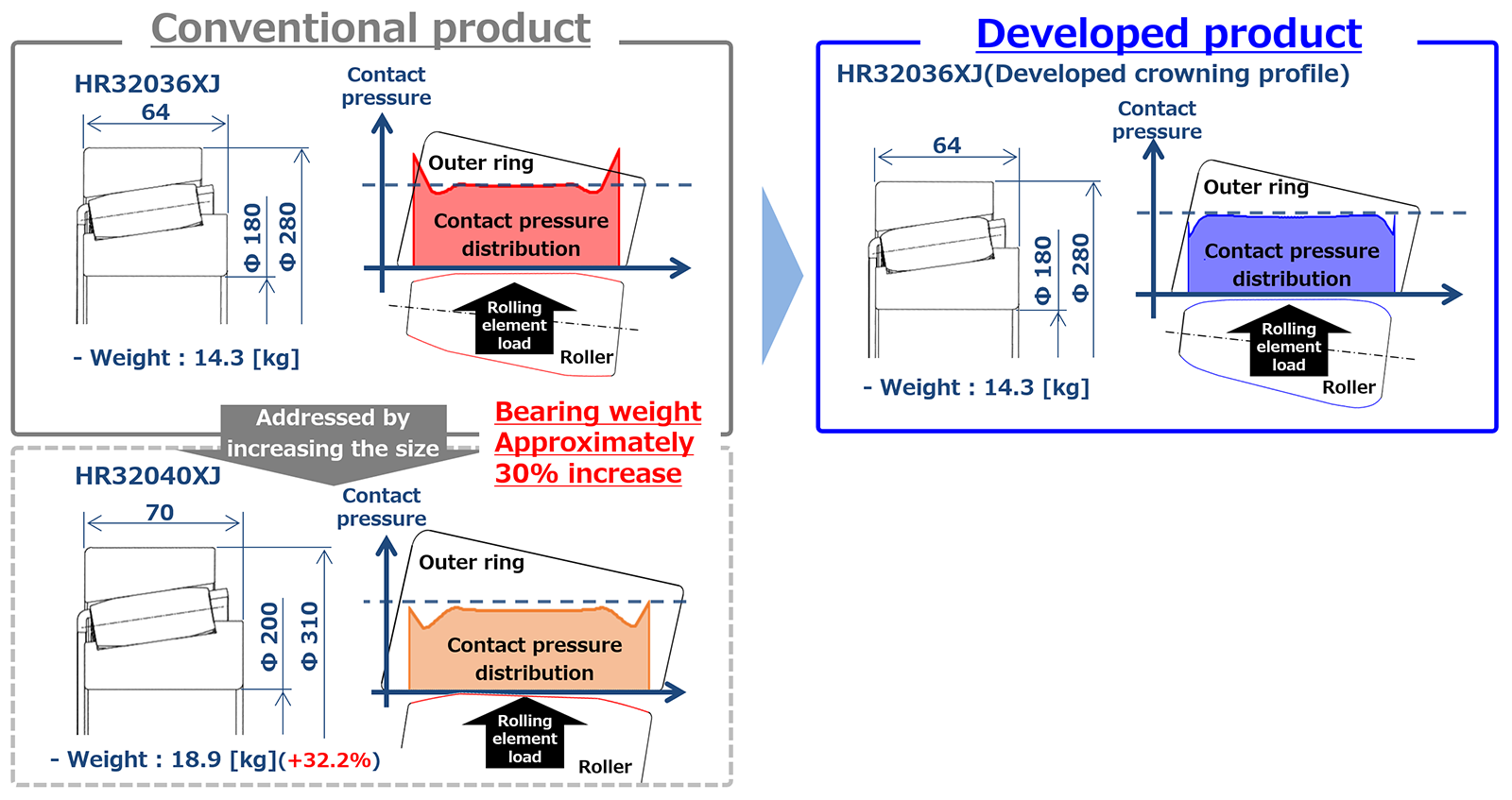
Fig.7 Weight reduction effect of the developed bearing
6. Conclusion
NSK has developed a “Next-Generation High Load Capacity Tapered Roller Bearing for Wind Turbines” that contributes to reducing construction and maintenance costs and supports larger and offshore wind turbines.
By optimizing the crowning profile of the rolling elements, this product improves misalignment resistance performance and achieves approximately 25% higher load capacity and about 30% weight reduction compared with conventional products.
Sales of this product have begun in the European and Chinese markets, and through these sales, NSK is contributing to the high reliability and weight reduction of wind turbines.