
Compact, Lightweight Deep Groove Ball Bearing for Electric Vehicles
March 2026
Powertrain Bearing Technology Department
Automotive Technology Development Center
1. Introduction
The growing popularity of electric vehicles (EVs), including hybrid vehicles, is driven by the urgent need to address environmental concerns like climate change. One of the key hurdles to the widespread adoption of these low-impact vehicles is extending their driving range. To maximize fuel and electricity efficiency, EV drive units must be more compact, lightweight, and highly efficient designs. Reducing the size of these units also provides design flexibility in the layout of cabin space and vehicle aesthetics.
Downsizing the motor is a key strategy for reducing the overall size and weight of the drive unit. Since motor output is a product of its torque and rotational speed, maintaining performance in a smaller package requires higher rotational speeds. Consequently, the deep groove ball bearings used in EV motors must be capable of higher speeds and lower friction while remaining compact.
EV drive units, specifically eAxle reducers, are generally categorized into either parallel three-shaft or two-shaft/coaxial structures (Fig.1). While simple parallel three-shaft eAxle currently dominates the market, there is a growing trend toward two-shaft/coaxial designs because they allow for shorter vehicle lengths and lower unit heights. Because components in two-shaft/coaxial structures are arranged on the same axis, bearings must not only be smaller, higher speed and lower friction but also significantly narrower. To meet these evolving needs, NSK has developed compact and lightweight deep groove ball bearings for electric vehicles (Fig.2).
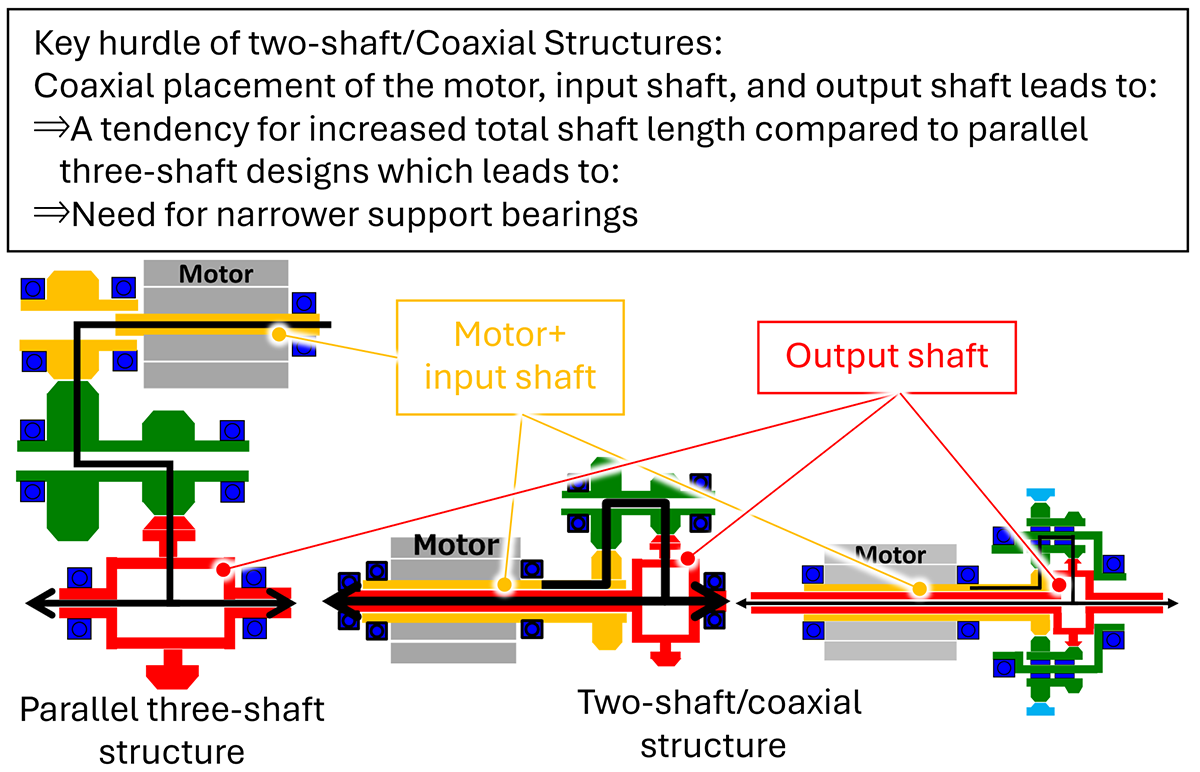
Fig.1 Structure of the eAxle reducer
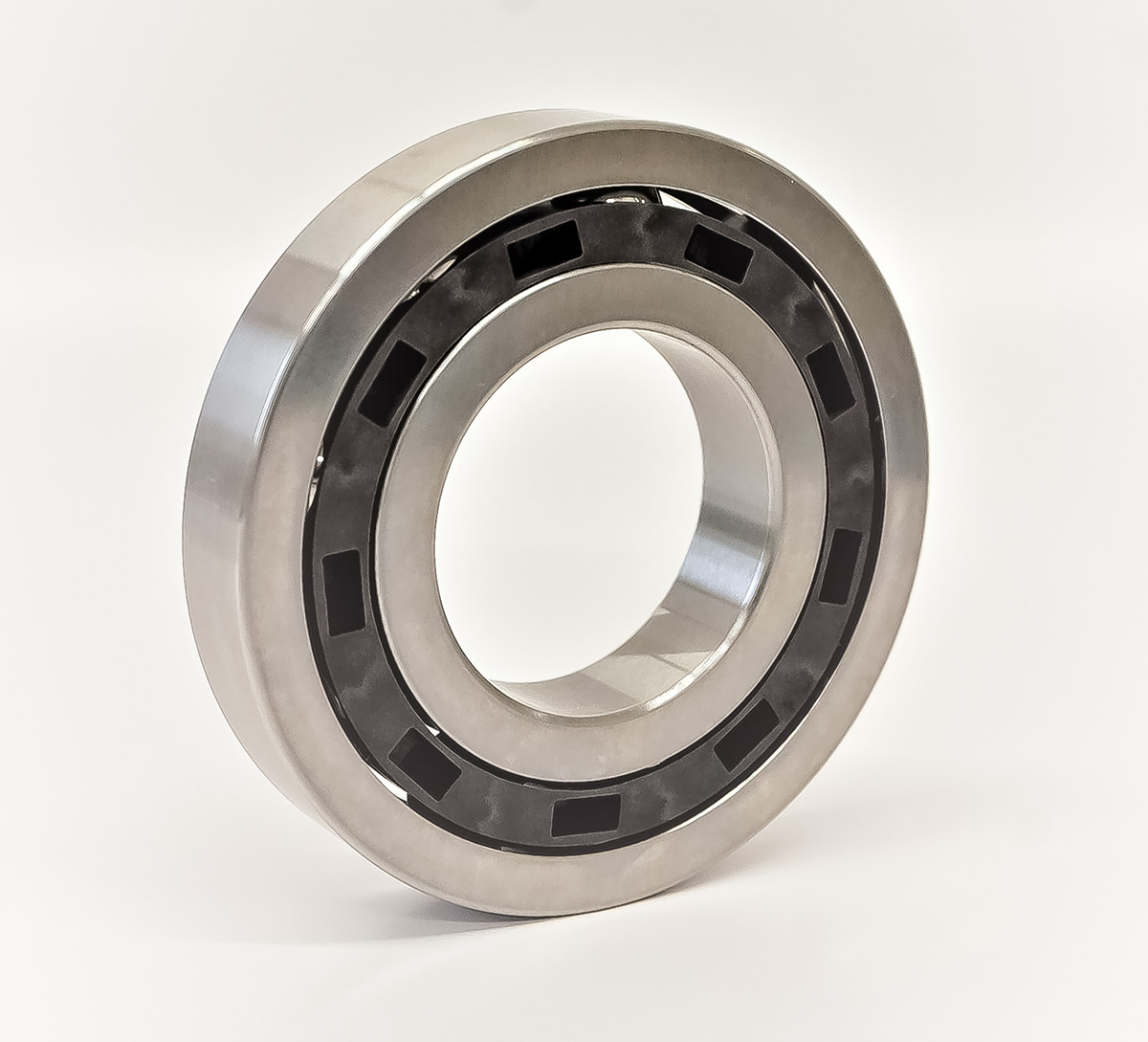
Fig.2 Compact, lightweight deep groove ball bearing
2. Features of the Compact, Lightweight Deep Groove Ball Bearing for EVs
By utilizing a newly developed "narrow width combined plastic cage" alongside existing specialized technologies, NSK has achieved significant reductions in size and weight. Compared to conventional products, the new bearing offers a 10% smaller outer diameter, 38% reduction in width, 51% reduction in weight, and a 25% reduction in torque (Fig.3). The technologies used in the compact, lightweight deep groove ball bearing for electric vehicles are explained below.
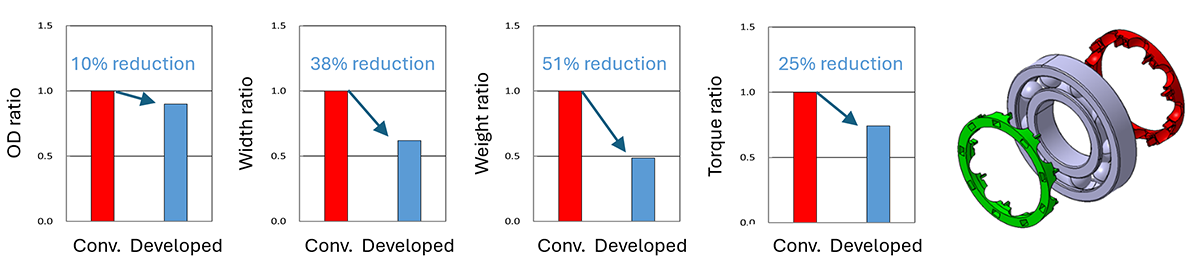
Fig.3 Features of the compact, lightweight deep groove ball bearing for electric vehicles
2.1 Narrow width Combined Plastic Cage
Deep groove ball bearings designed for high-speed usage typically employ plastic cages. Conventional crown-shaped plastic cage (Fig.4) is assembled from one side; however, they are prone to deformation at high speeds, which can lead to fractures at the bottom of cage pocket or damage from contact with the outer ring if maximum rotation speed is exceeded. Preventing this usually requires thickening the bottom of cage pocket, which unfortunately increases both the bearing width and the overall shaft length of the drive unit.
NSK’s narrow width combined plastic cage (Fig.5) solves these issues by suppressing potential for deformation without increasing pocket bottom thickness. By using a pair of cages assembled from both sides to form a rigid circular structure, the bottom of pocket can be made thinner than crown-shaped alternatives. This means a narrower bearing profile and a shorter drive unit shaft.
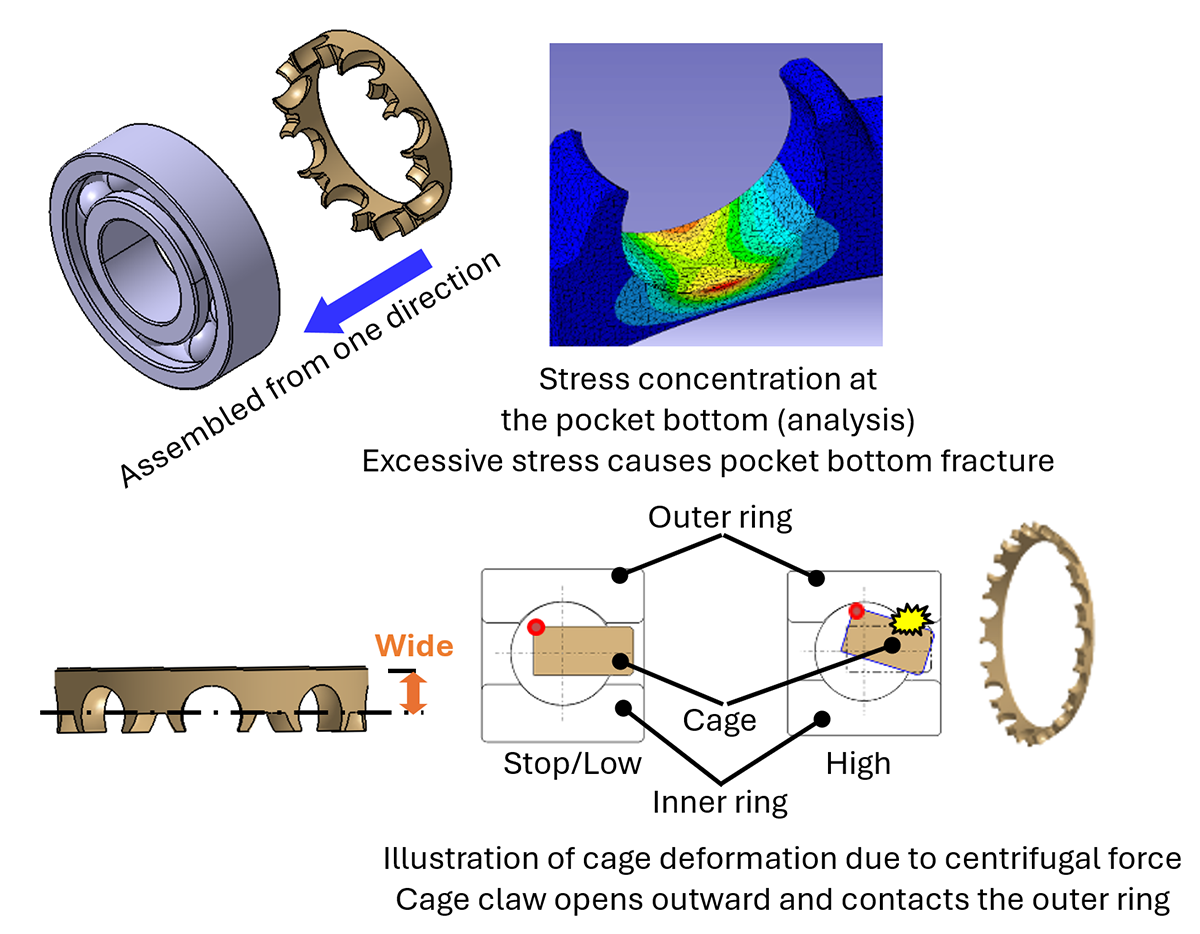
Fig.4 Issues with Conventional Crown-Shaped plastic Cages
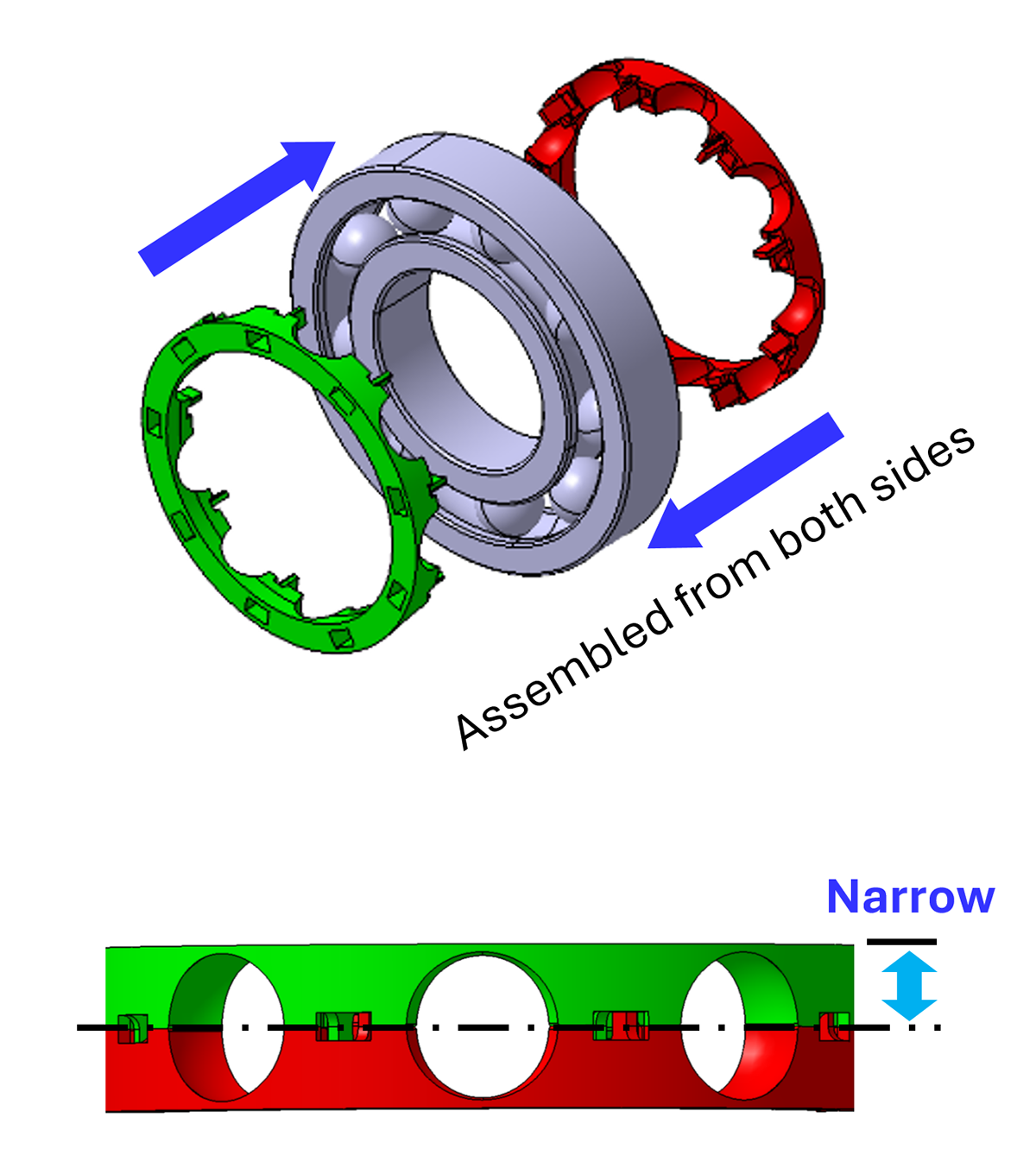
Fig.5 Narrow width combined plastic cage
2.2 Solution for Reduced Static Strength Due to Downsizing
A primary drawback of downsizing ball bearings is the potential reduction in resistance to impact loads. When an axial impact occurs, the steel balls can ride up onto the shoulder of the raceway groove, leaving indentations. These marks accelerate surface fatigue and shorten the bearing's lifespan. To prevent this, the new compact, lightweight deep groove ball bearing features a specialized, smooth curved shoulder geometry that stops balls from creating indentations under such conditions (Fig.6).
Furthermore, heavy impact loads can cause indentations that reduce bearing acoustic performance and durability (Fig.7). NSK has used rigorous testing to determine exactly how these marks affect performance, allowing for a more precise, robust strength design.
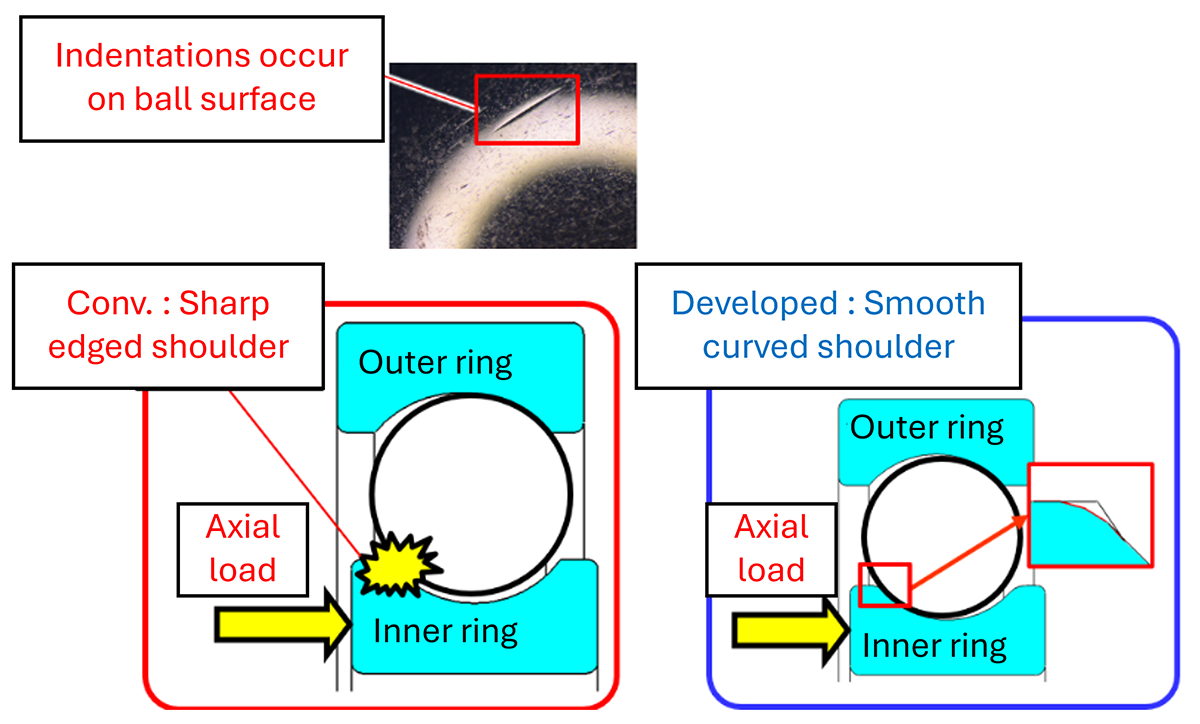
Fig.6 Preventing riding-up indentations with a special groove shoulder shape
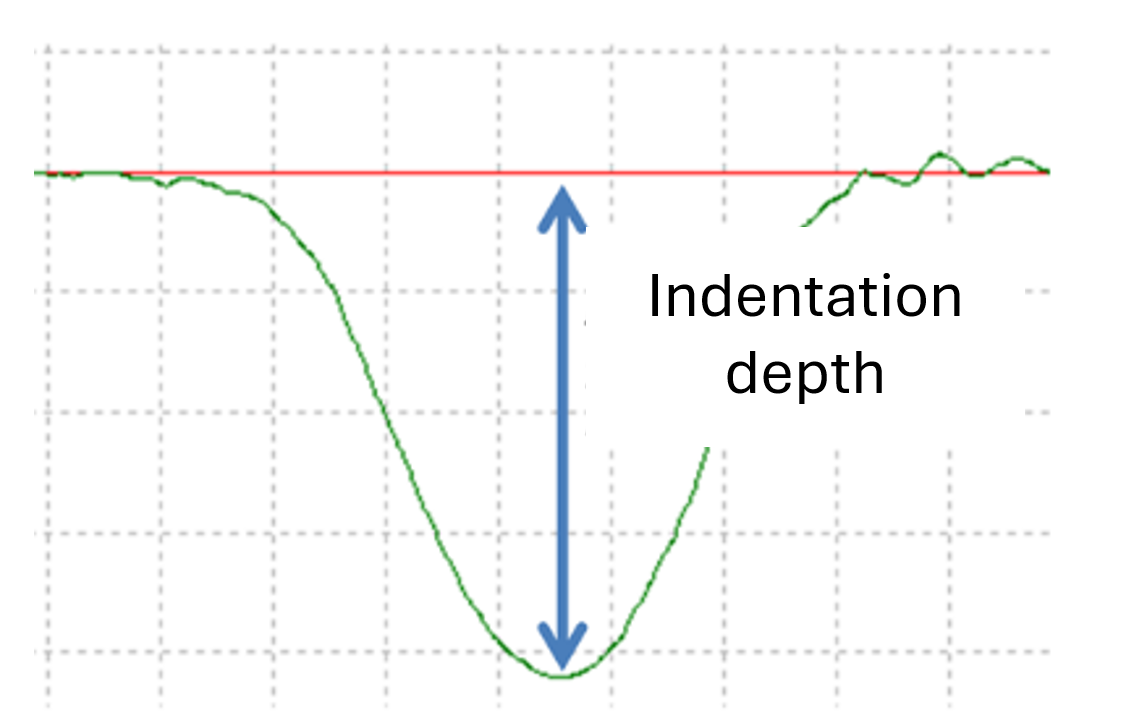
Fig.7 Indentations on raceway surface due to impact load
2.3 Solution for Reduced Fatigue Life Due to Downsizing
Downsizing also risks reducing the fatigue life of the bearing. Research shows that as steel balls become rougher through use, the raceway surfaces suffer from accelerated fatigue. NSK counters this by applying EQTF™ — a proprietary special heat treatment — to the steel balls to maintain surface smoothness and extend life (Fig.8).
Additionally, the basic dynamic load rating Cr, a measure of load capacity, is traditionally calculated from dimensions including groove radius. For the new bearing, NSK has improved life-prediction accuracy by using a Cr calculation method that accounts for the actual contact conditions between the balls and the rings.
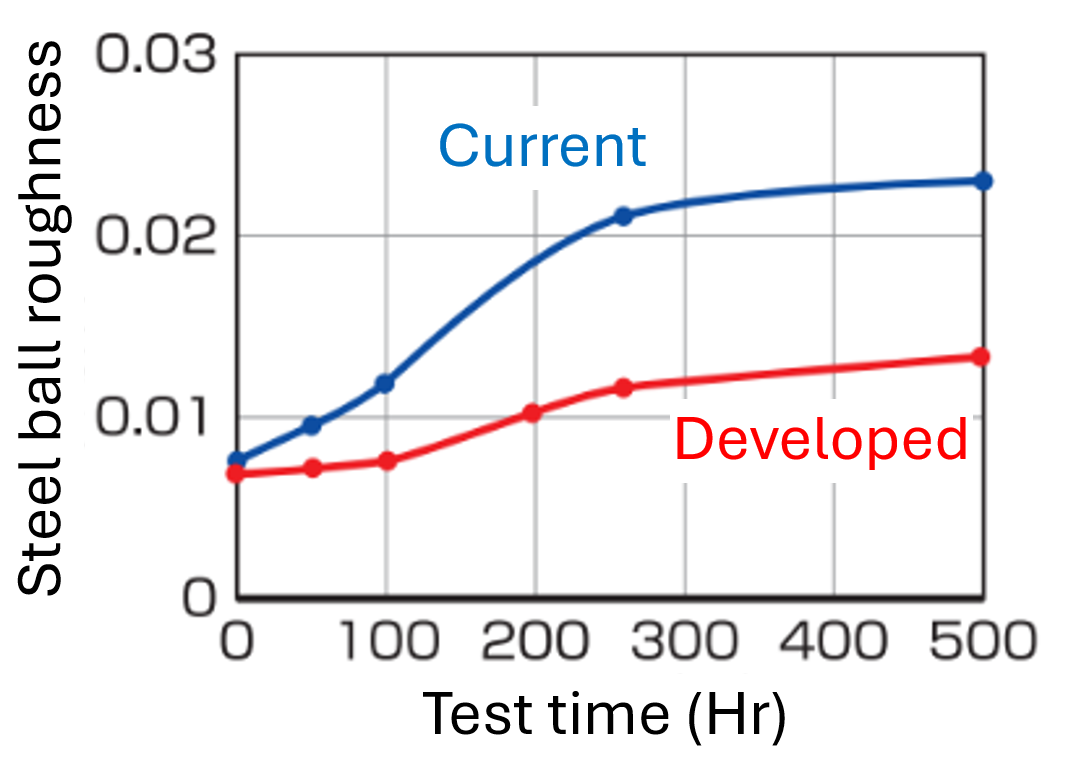
Fig.8 Changes in surface roughness of EQTF™ steel ball
2.4 High-Speed Rotation Performance of the Compact, Lightweight Deep Groove Ball Bearing for Electric Vehicles
By applying the new cage design and reinforced rigidity, this compact, lightweight deep groove ball bearing for EVs achieves a significant leap forward in allowable rotation speeds while also delivering light weight and low friction. It successfully passed high-speed tests at a dmn value of 2.14 million (an upgrade from the 1.8 million max of conventional specs) without any cage damage or internal seizing (Fig.9).
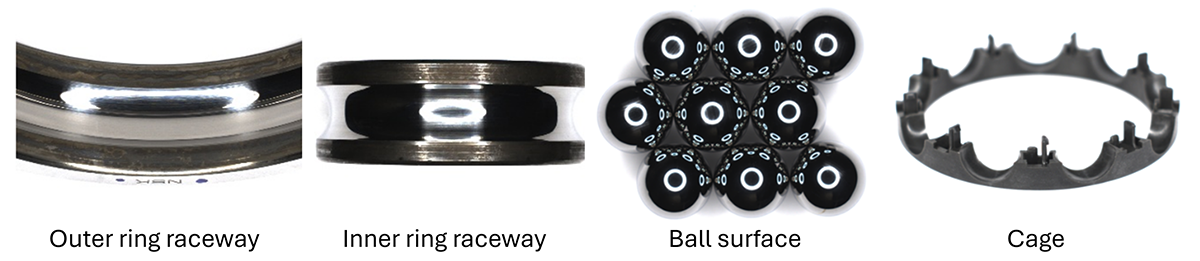
Fig.9 Bearing condition after high-speed rotation test (dmn 2.14 million)
3. Benefits of the Compact, Lightweight Bearing for Electric Vehicles
Applying compact, lightweight deep groove ball bearings into electric vehicle (EV) drive units enables more compact, lighter designs and shorter shaft lengths, which directly improves electricity efficiency. For example, when these bearings are used in a coaxial eAxle (Fig.10), the unit’s shaft length is reduced by 16 mm and its weight by 2.2 kg, leading to a 0.09% boost in electricity efficiency (the power required to travel 1 km). This efficiency gain translates to a 960-yen reduction in battery costs*1 and extends the driving range by 370 m.*2 If these bearings are also applied to the output shaft, the shaft length is shortened by 32 mm and the weight reduced by 4.4 kg. This results in a 0.14% efficiency improvement, saving 1,665 yen in battery costs*1 and extending the range by 590 m.*2 While these figures represent a coaxial eAxle, this developed product is versatile enough for use in parallel three-shaft eAxles, folded two-shaft eAxles, hybrid vehicle drive units (DHT), and various other EV powertrain systems.
*1: Based on an assumed battery price of 13,500 yen/kWh
*2: Total distance travelable on a single charge
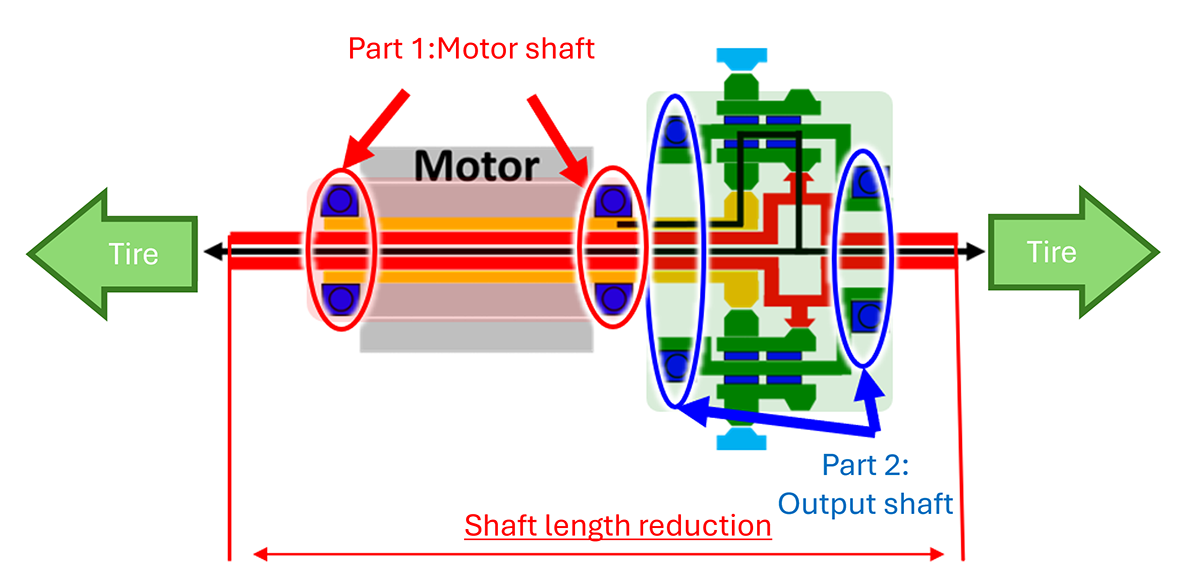
Fig.10 Application of compact, lightweight deep groove ball bearings to coaxial eAxles
4. Conclusion
The compact, lightweight deep groove ball bearing for electric vehicles delivers a major advancement in size reduction, low friction, and high-speed capability by combining the new narrow width plastic cage with proven technologies. Beyond eAxles and DHTs, these bearings are suitable for conventional transmissions and non-automotive applications, contributing to higher efficiency and compact design across various industries.