
Development of Bearings for Gas Turbine Generators for eVTOL (Large Drones)
March 2026
Precision and Special Bearing Technology Department
Industrial Machinery Technology Development Center
1. Trends in the eVTOL Market
Next‑generation air mobility such as eVTOL is expected to leverage vast airspace to reduce economic losses caused by urban traffic congestion, as well as contribute to emergency medical transport and disaster rescue operations. Additionally, eVTOLs are being considered for various use cases, including establishing sustainable transportation in depopulated regions and revitalizing the tourism industry. As a result, the global market is projected to grow significantly, and the industry is now entering a transitional phase toward social implementation.
2. Electric Propulsion Systems and Range Limitations of eVTOL
Current eVTOL development primarily focuses on fully electric systems composed of batteries and propulsion motors, similar to electric vehicles. However, with current battery technology, the cruising range of eVTOL is said to be around 200 km. To address this limitation, some eVTOLs are being developed with hybrid propulsion systems that use a gas turbine generator as a range extender, supplementing battery power. Gas turbine generators are considered the most practical range extender solution, as they offer a power‑to‑weight ratio approximately 10 times higher than reciprocating engines.
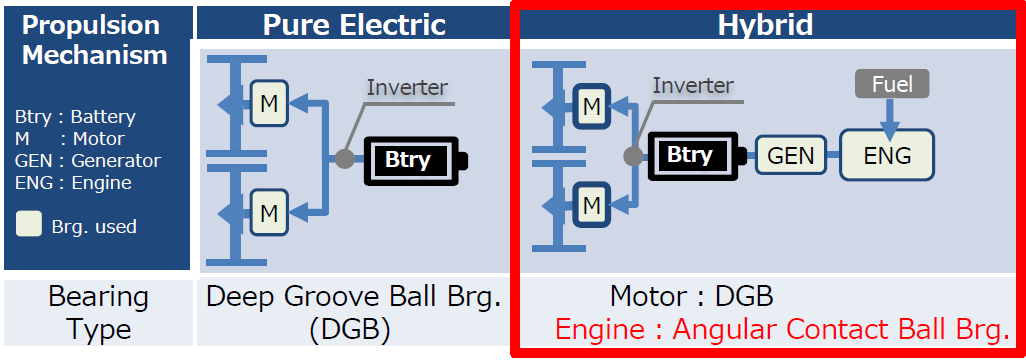
Fig.1 Electric propulsion system for eVTOL
3. Required Performance of Rolling Bearings
Gas turbine generators installed in eVTOLs must generate high output despite their small size. As a result, they inevitably operate at high speeds exceeding dmn* 2.5 million. Because eVTOL requires lightweight components, conventional ground‑based bearing lubrication systems are unsuitable. Therefore, rolling bearings must deliver high‑speed performance above dmn 2.5 million while maintaining reliability even with reduced lubrication oil supply (Fig.2).
*An index indicating the high-speed rotational performance of bearing (rolling element pitch circle diameter [mm] × inner ring rotation speed [min-1])
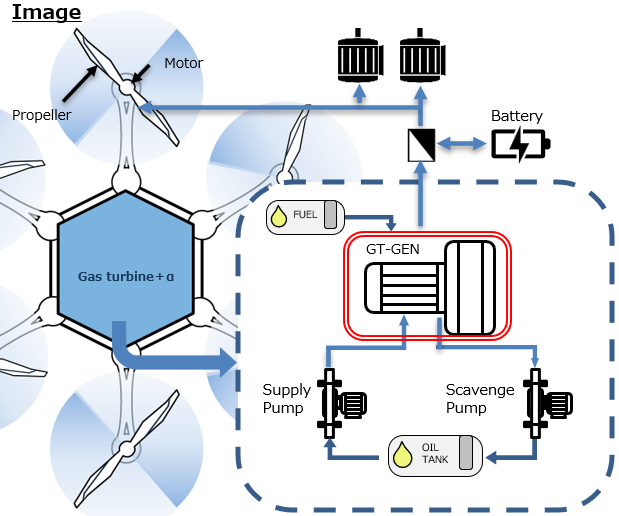
Fig.2 Image of a gas turbine generator mounted on eVTOL
4. High-speed Performance and Lubrication Methods of Rolling Bearings
To enhance the high‑speed performance of rolling bearings, the developed product focuses on reducing the bearing’s own heat generation. This concept aligns with the NSK ROBUST Series, widely used in machine tool spindles, which features established low‑heat‑generation design technology.
Lubrication oil serves dual roles: lubricating functional surfaces and cooling the bearing. Therefore, it is essential to supply oil in the correct amount to the correct locations while preventing excessive oil accumulation that would hinder cooling efficiency.
Existing lubrication methods for high‑speed bearings include jet lubrication and under‑race lubrication. However, for eVTOL gas turbine generators, each method has challenges such as requiring high‑pressure, high‑flow oil supply or having complex structures. Thus, a new lubrication mechanism is required (Fig.3).
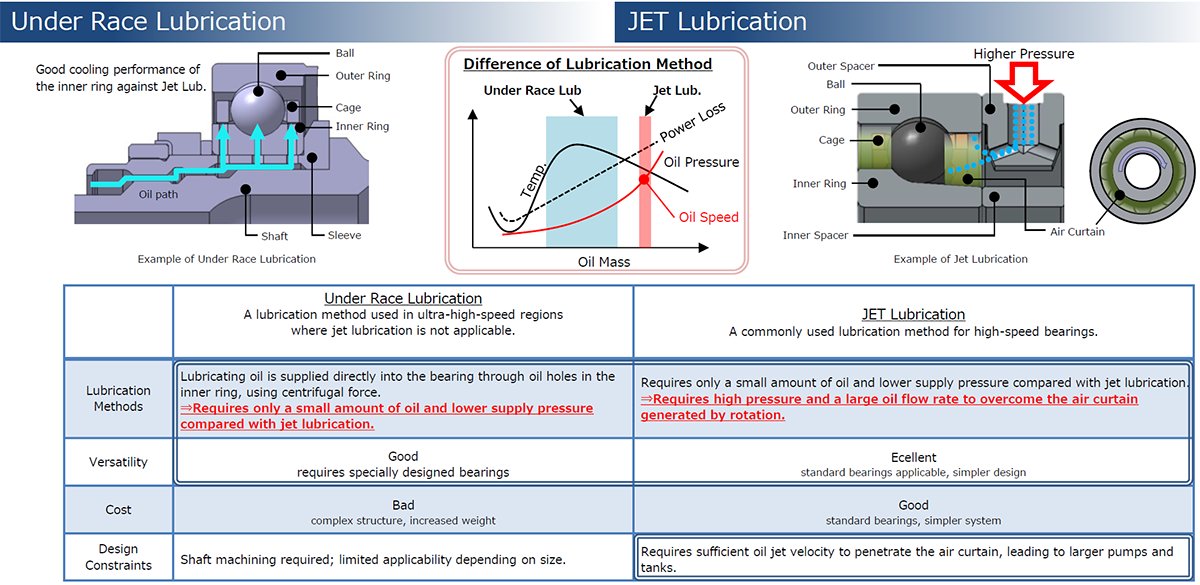
Fig.3 Under-race lubrication and jet lubrication
5. Features of the Developed Bearing
The developed bearing enables the supply of an optimal amount of lubrication oil into the bearing interior without being hindered by the air curtain generated during high‑speed rotation. Compared to jet lubrication, this method reduces oil supply volume to one‑quarter and cuts power loss by two‑thirds. Additionally, because lubrication oil is fed into the bearing using centrifugal force, high oil pressure is unnecessary, and the total oil supply volume can be reduced. This enables a smaller oil tank, contributing to space savings and weight reduction—benefits ideal for eVTOL applications (Fig.4, 5).
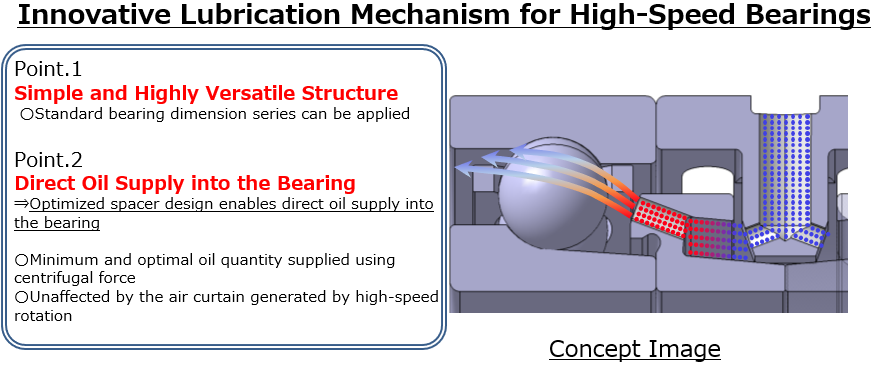
Fig.4 Image of the developed bearing
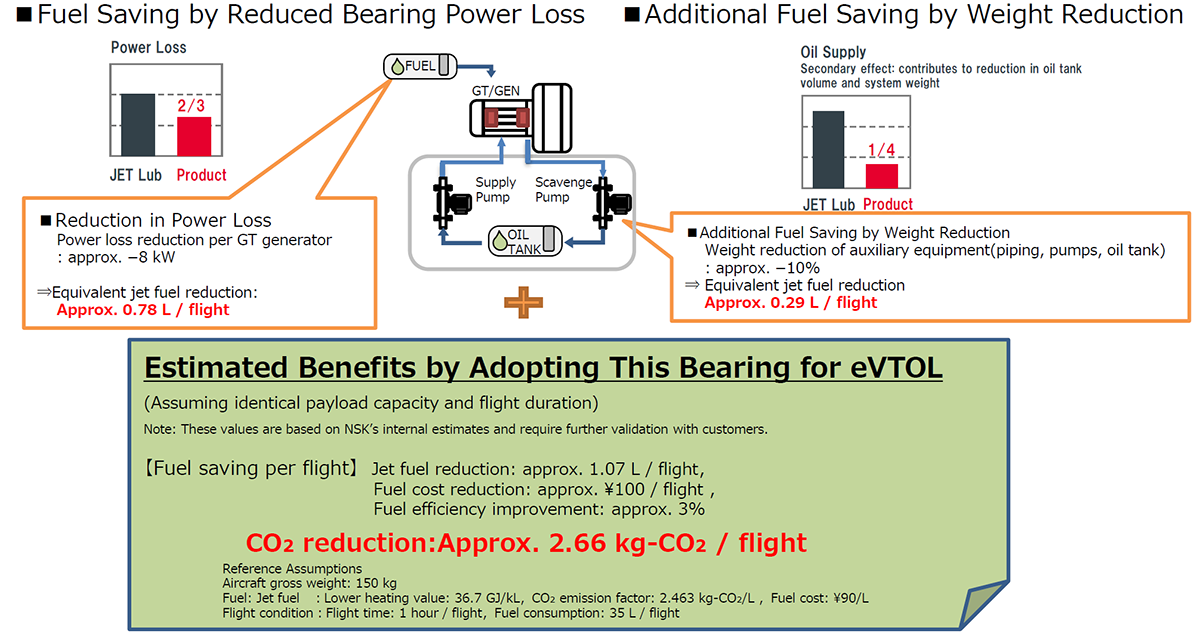
Fig.5 Estimated benefits by adopting this bearing for eVTOL