
Q&A – Bearings for the Steelmaking Sector
Steelmaking is an extremely volatile process in which bearings are subjected to extreme loads, intense heat, staggering shocks, rapid acceleration and deceleration, misalignment and contamination from both mill scale and water vapor.
Here at NSK we have years of experience designing and producing parts specifically to stand up to these challenges. In this Q&A, we sit down with Sector Manager Mihai-Cristian Samoila to find out more…
"A thorough and regular inspection of parts, lubricants, quantity and overall cleanliness can really contribute to long term reliability."
What sort of bearings are commonly found in the steelmaking process?
The steel sector is a very broad definition which covers all applications and machines used in iron and steelmaking, steel shaping (rolling) and (even if the name does not directly suggest it) non-ferrous metals such as aluminium and copper fall under the umbrella.
Given we’re talking about such a wide range of applications, it’s no surprise almost every type of bearing is involved at some stage. Of course, some are more critical than others, with roller bearings predominant.
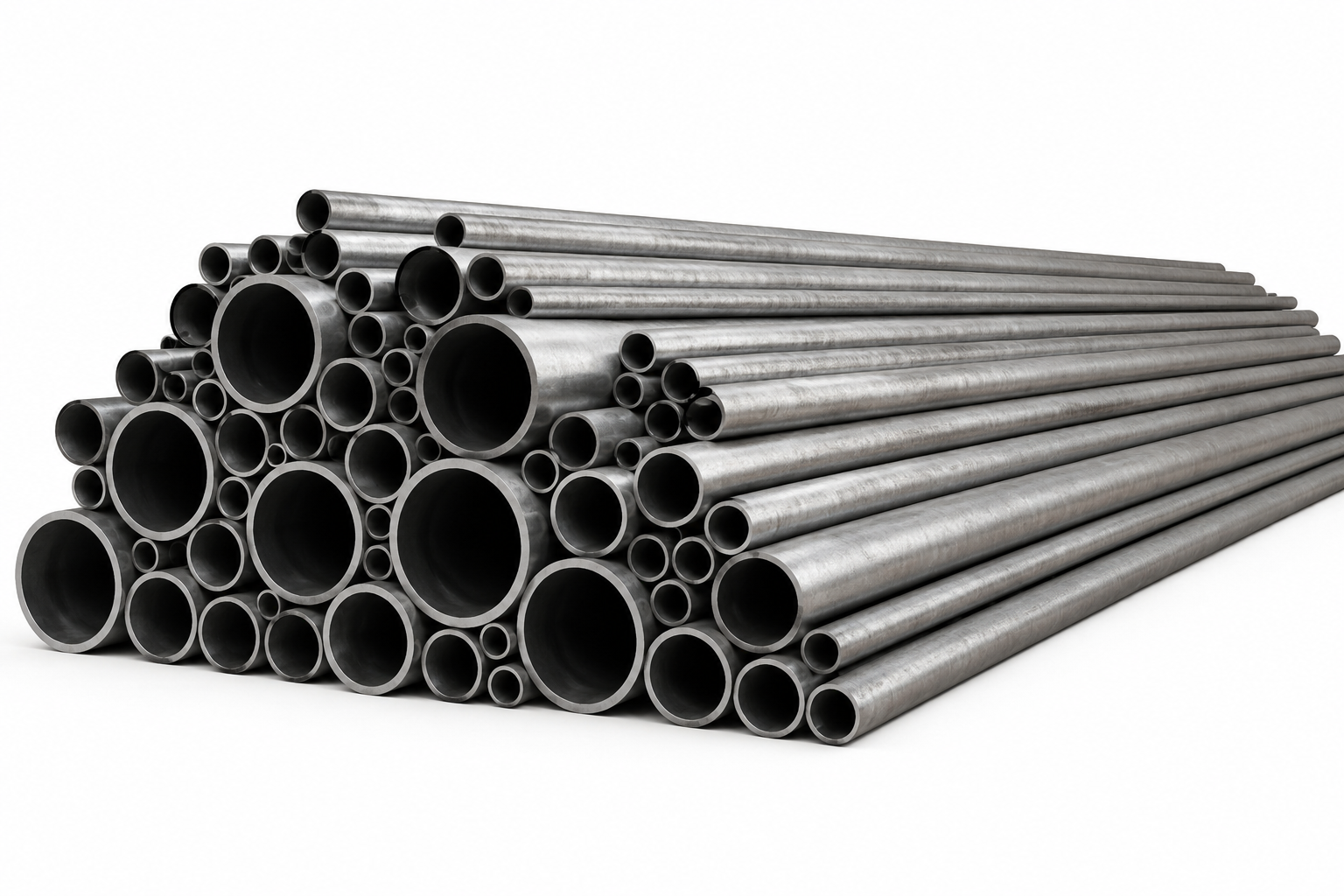
What makes the steel industry one of the most demanding environments for bearings?
Steelmaking does constitute an incredibly harsh environment. It’s dirty, it involves extreme temperatures, water and steam are thrown at bearings and, of course, the loads are extremely high. And let’s not forget, we are using steel bearings to make steel! This isn’t easy work.
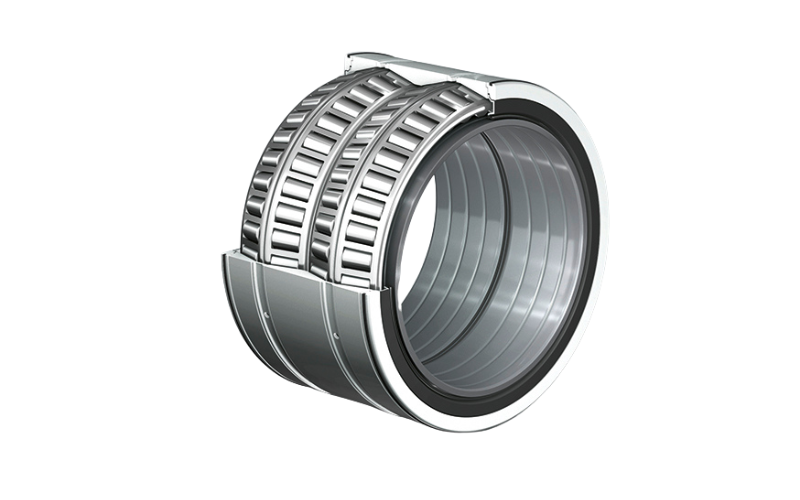
Which processes in a steel plant place the highest demands on bearing performance?
There are several critical applications that rely on bearings performing consistently and reliably: continuous casting, hot rolling and cold rolling. These processes are like links in a chain, if one link breaks, the entire chain does. Failure at any stage in the process can cost hundreds of thousands of euros, because everything grinds to a halt and downstream equipment is left idle.
How can steel producers extend bearing service intervals without compromising on performance or reliability?
One of the most important things to consider, one which all too often gets overlooked, is maintenance. A thorough and regular inspection of parts, lubricants, quantity and overall cleanliness can really contribute to long term reliability. After that, of course, making sure you only use premium, quality bearings will allow you to extend maintenance intervals with peace of mind.
Have a question? Contact the team now.
You’ve talked about using steel bearings to make steel. Does NSK use any special types of steel when it manufacturers products for this sector?
We do. In order to ensure our components can operate consistently and reliably in the sorts of conditions we’ve been talking about, then you need to be using specialty steels.
The best example is our Super-Tough material (STF), developed specifically to withstand the contamination and poor lubrication conditions endemic to rolling mills.
Another possibility is our SWR material, targeted at spherical roller bearings found in continuous casting machines. We’ve got real world examples of this material doubling or trebling the time between maintenance intervals.
As we’ve touched on, the steelmaking process exposes bearings to extreme temperatures and some quite sudden temperature changes. How does NSK ensure that our bearings are able to handle this?
The technology used in making steel for bearings exposed to such conditions has been developed over the course of decades, with some R&D actually being done in conjunction with Japanese steelmakers. Three of the five core NSK Engineering Pillars are Material Engineering, Tribology and Manufacturing Engineering, each of which is essential in the development of highly resilient materials for the most demanding of conditions and applications.
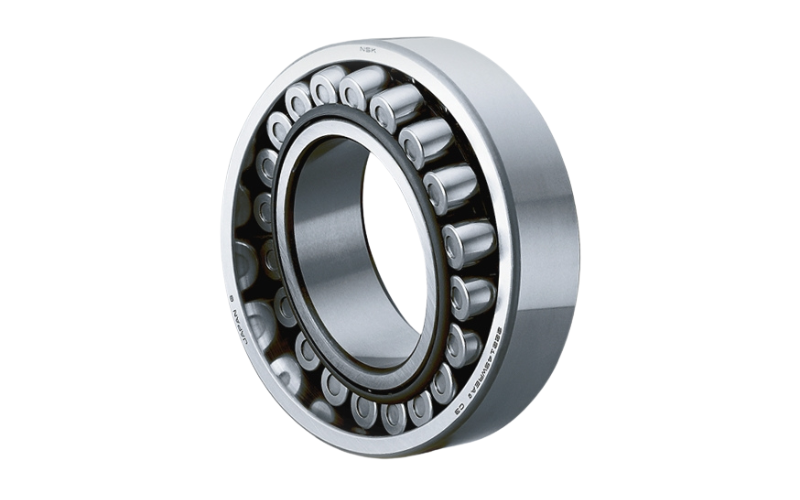
How do bearing designs and materials improve reliability in steel plants?
To take just one example, we make STF using a unique (proprietary) heat-treatment method. This results in a material which is much harder on the outside layer than it is in the core. This dichotomy improves the resilience of the material, and most importantly slows down the development of cracks.
However, the most important feature of this material is its ability to not only be hard on the outside, but to tolerate a very high degree of contamination without generating the typical surface originated flaking.
What trends are shaping the future of bearings in the steel sector?
The gold standard nowadays is CO2 emissions. Steelmaking is under pressure from regulators and society as a whole to reduce its impact on the environment. Bearings have a part to play in this, the longer they last, the lower overall CO2 footprint of the manufacturing process.
Another contributory factor is ensuring the equipment runs with minimal lubrication through methods such as advanced sealing solutions. It’s just one more way our bearings can play their part in maintaining a cleaner environment.