
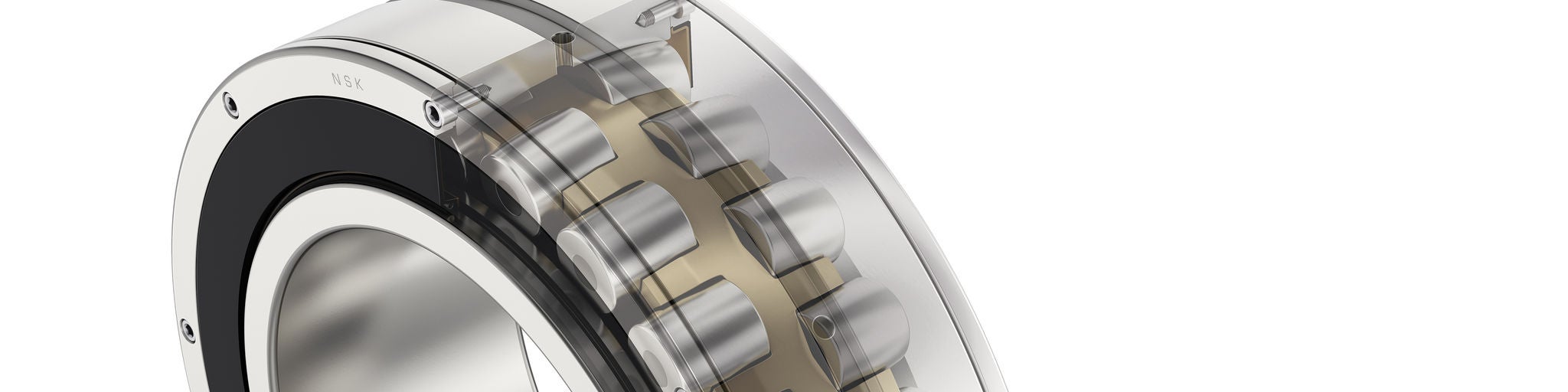
Why Paper Machines Demand Special Bearings: Beyond the Standard SRB
Paper machines operate in one of the most demanding industrial environments out there. You have high loads, high speeds, constant moisture, and extreme temperatures all working at the same time. In the dryer and calender sections, those conditions push standard components far beyond their comfort zone.
That is why spherical roller bearings (SRBs) are widely used in paper machines. They can handle heavy loads and misalignment well. But in the hottest parts of the machine, especially dryer rolls, the operating conditions introduce thermal stresses that go beyond what conventional bearings are designed to manage. For maintenance teams and engineers, this is where bearing selection becomes critical to uptime and long-term reliability.
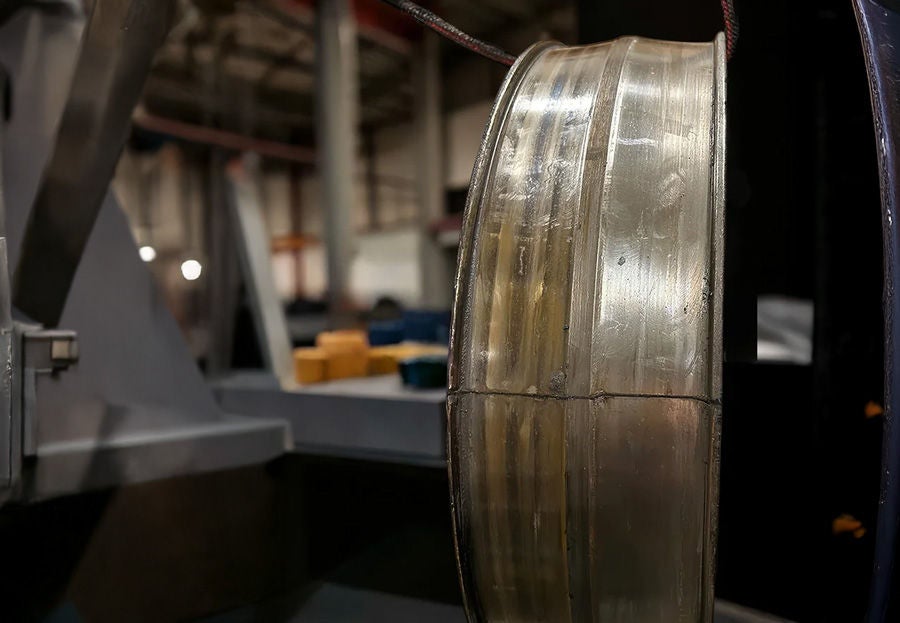
Figure 1: Fractured inner ring of a bearing from a paper mill
The Silent Killer: Heat, Expansion, and Hoop Stress
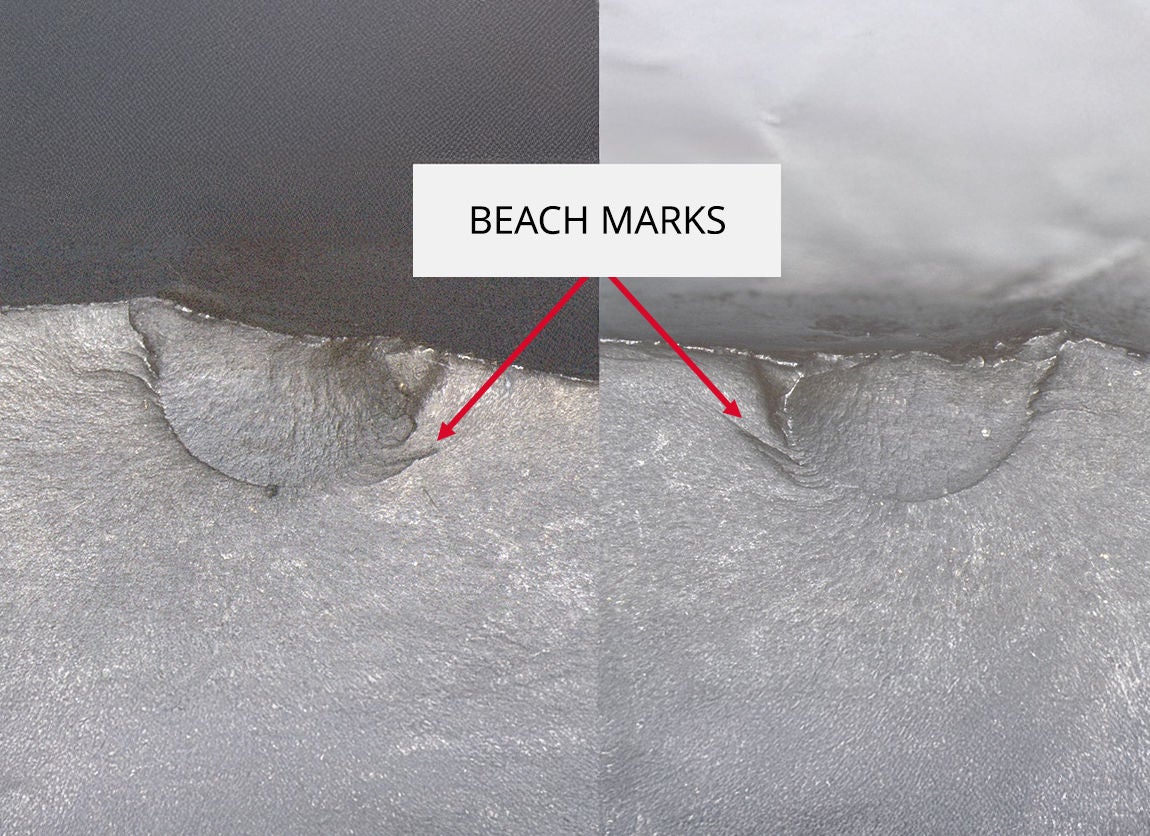
Figure 2: Inner ring fracture initiation site at beach marks. The fracture surface caused by stress overload due to hoop stress.
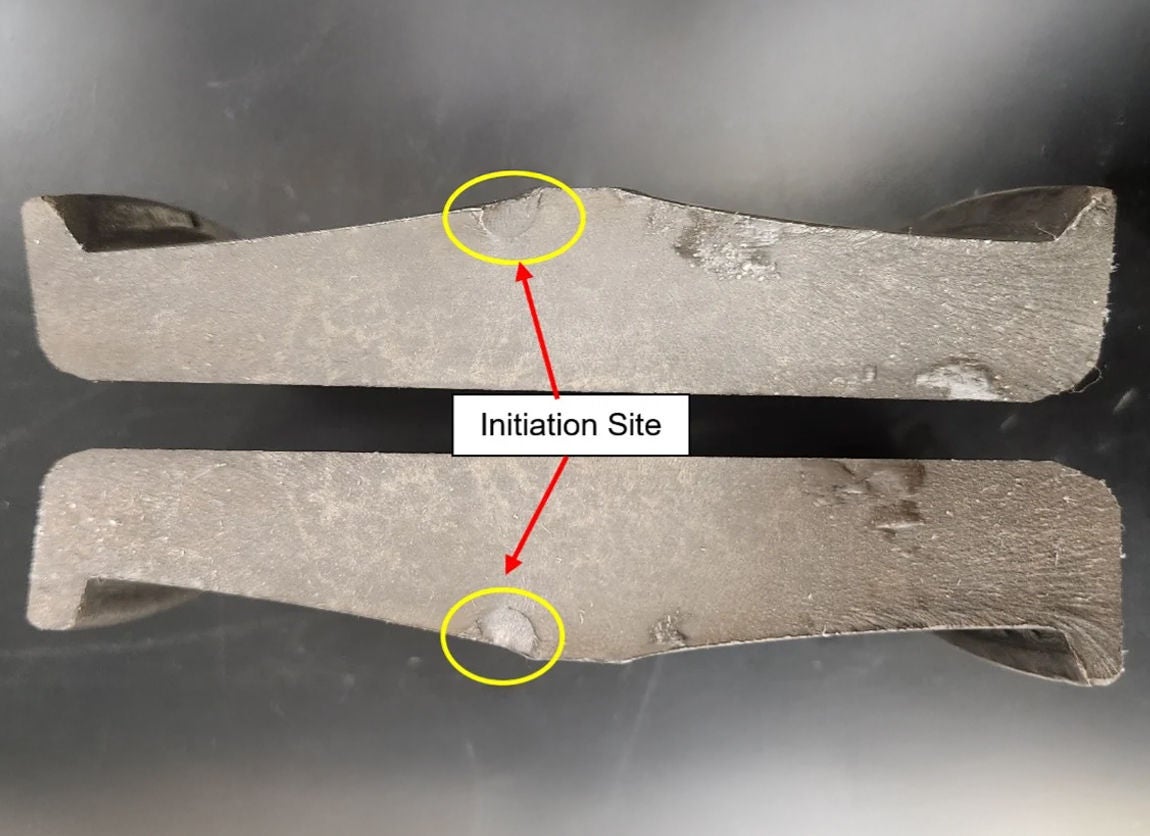
Figure 3: Inner ring fracture surfaces consistent with hoop stress fracture.
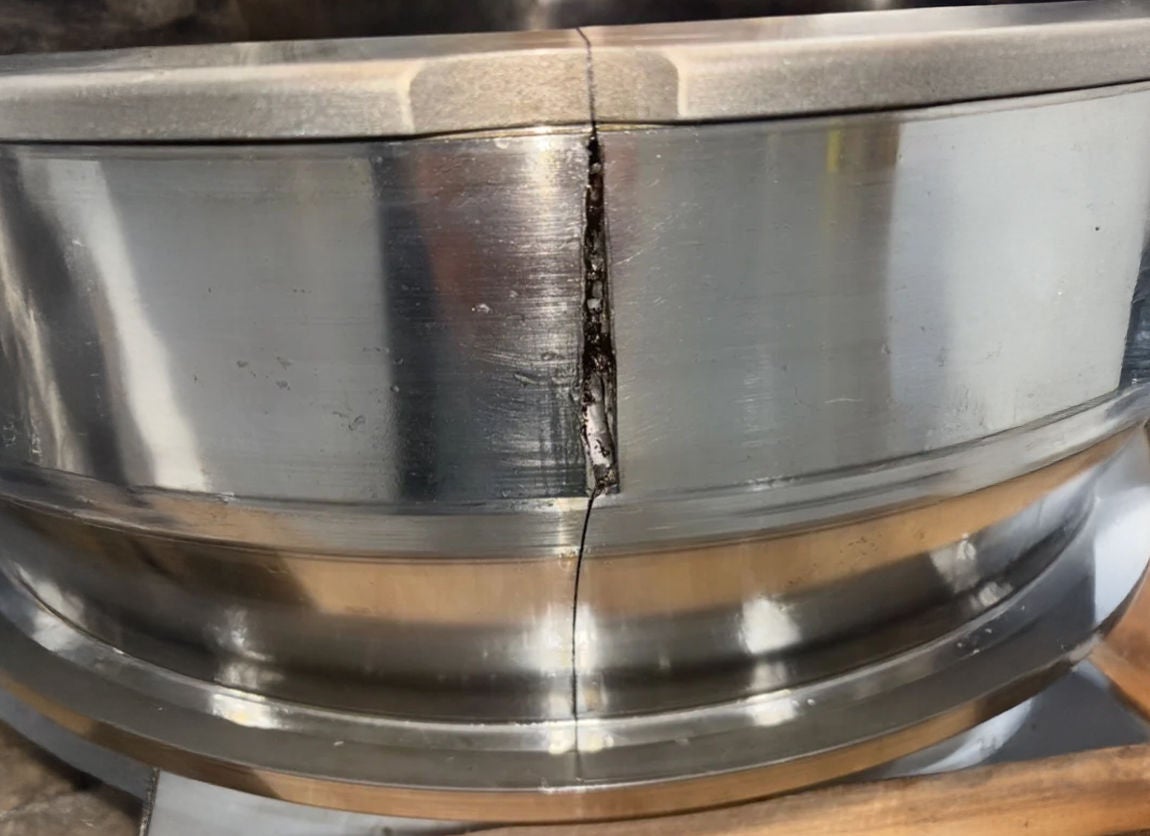
Figure 4: Inner ring fracture due to hoop stress.
In the dryer section, heat is not just part of the process; it is the driving force behind production. High-temperature steam (often around 180 °C) runs through the hollow journal of the dryer roll. During start-up, the journal heats and expands faster than the bearing inner ring.
This creates a tight interference fit between the components. In some cases, the journal may reach around 105 °C while the bearing inner ring is still closer to 85 °C. That difference creates thermal strain that leads to high circumferential stress known as hoop stress.
When this happens repeatedly, the bearing's inner ring is subjected to constant stress. Over time, this can lead to crack initiation and, eventually, inner-ring fracture. When failure occurs, it usually results in unplanned downtime that can be extremely costly.
Many mills try to manage this with slow start-up procedures. This can reduce stress, but it also takes time and lowers productivity. It is a tradeoff between protection and output.
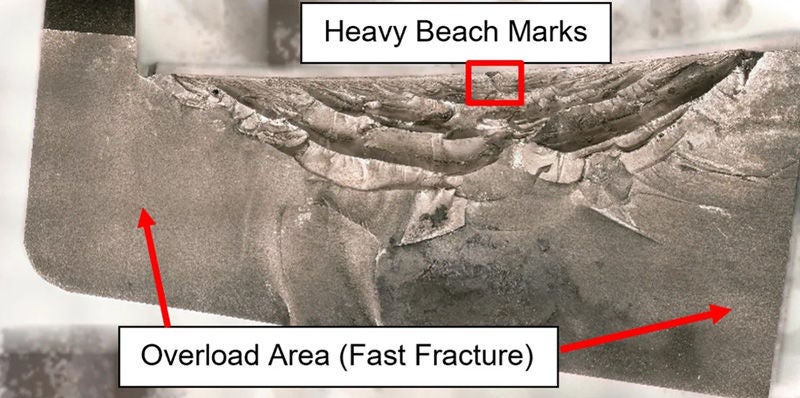
Figure 5: Another example of bearing damage caused by hoop stress.

A Purpose-Built Solution for Thermal Stress
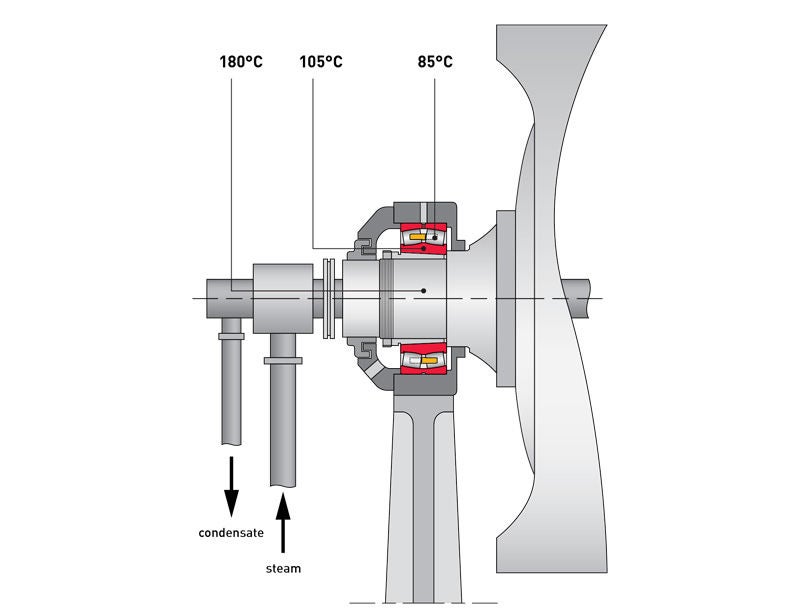
Figure 6: Example of a dryer cylinder roll structure showing the typical temperatures present
NSK’s TL™ spherical roller bearings are designed to make a difference.
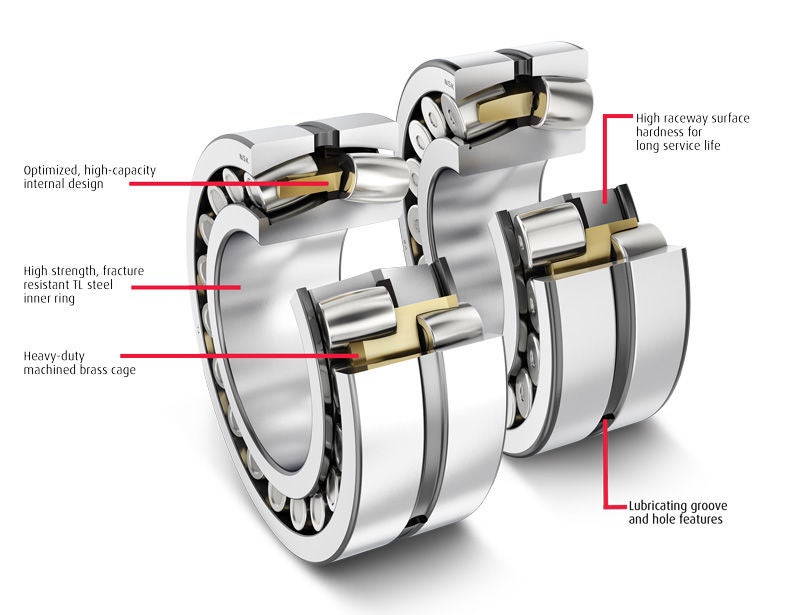
NSK’s TL™ (Tough & Long-Life) series is built specifically for paper machine dryer sections and other high-temperature applications. Instead of relying on standard through-hardened steel, these bearings use a proprietary steel composition combined with carbonitriding heat treatment. This creates a case-hardened structure with carefully controlled compressive residual stress.
The result is a bearing that is much better equipped to handle thermal cycling, hoop stress, and contamination challenges.
Key Performance Advantages
- Enhanced fracture resistance
The inner ring is designed with high compressive residual stress. This helps resist cracking caused by thermal expansion and hoop stress during operation, up to 2x the standard through hardened hoop stress strength. - Superior surface hardness and wear resistance
Advanced heat treatment improves surface hardness, which helps the bearing resist wear, contamination, and micro-spalling, even in less-than-ideal lubrication conditions. - High temperature stability
TL™ bearings maintain dimensional stability at operating temperatures up to 200°C. This helps ensure consistent internal clearances even when conditions fluctuate. - Longer service life in contaminated environments
Compared to conventional bearings, TL™ designs are engineered to deliver significantly longer service life in contaminated conditions. That means fewer failures and less unplanned maintenance.
Designed for the Entire Paper Machine Environment
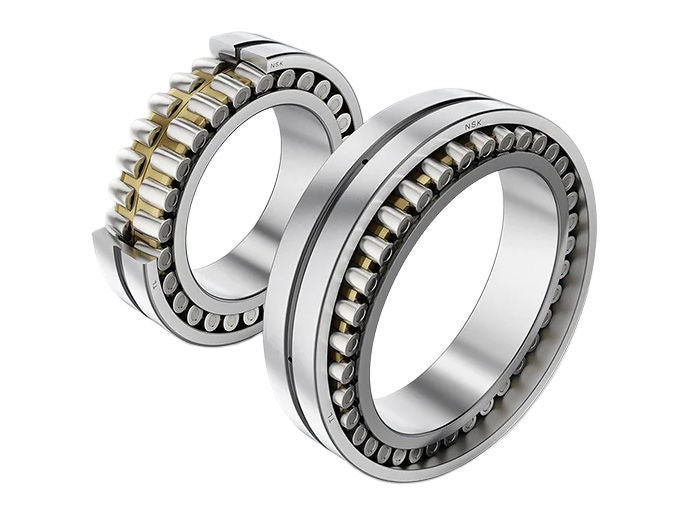
NSK’s TL™ series spherical roller bearings are designed for Tough and Long-Life performance in the most demanding areas of the paper making process. That includes dryer rolls, canvas rolls, PV rolls, and calender rolls.
When uptime and efficiency matter most, these bearings are built to provide predictable, reliable performance under pressure.
Beyond Standard Bearings in Critical Applications
Standard spherical roller bearings still have an important place in paper machines. They perform well in many sections where conditions are less extreme. However, in high-temperature or high-stress zones, application-specific engineering becomes essential.
NSK takes a targeted approach by using advanced metallurgical design, precision manufacturing, and application testing to match bearing performance to real operating conditions.
In practice:
- TL™ bearings are focused on thermal fatigue resistance and inner ring fracture prevention
- Standard SRBs are used in less thermally demanding areas of the machine
Why Bearing Selection Impacts Uptime
Choosing a bearing is not just about matching dimensions. It is about understanding how heat, load, and contamination interact inside the machine.
By moving to application-optimized solutions like TL™ series bearings, you can reduce the risk of premature failure, improve resistance to thermal stress, and extend service life. That translates directly into fewer shutdowns and more consistent production.
In a paper mill, where downtime can quickly become expensive, bearing selection is a strategic decision, not just a maintenance detail.
Improving Paper Machine Uptime with Application-Specific Bearings
Between high speeds, constant moisture, and extreme thermal loads, every component in paper machines is expected to perform without interruption. In the dryer and calender sections especially, bearing performance has a direct impact on uptime, efficiency, and operating cost.
By combining advanced material technology, carbonitriding heat treatment, and high compressive residual stress design, TL™ bearings are built to handle the thermal expansion and hoop stress conditions that have challenged standard SRBs.
For operations focused on reducing downtime and improving productivity, the right bearing choice is not just a technical detail. It is a long-term reliability decision that supports the entire production process.
If you are looking to improve performance in high-temperature paper machine applications, explore NSK TL™ spherical roller bearings and connect with an NSK representative to find the right solution for your operation.
Share