

What Are Spherical Roller Bearings and Why Are They Used?
Running heavy machinery is never easy. Dust, heat, vibration, shock loads, and misaligned shafts constantly threaten equipment performance. When a bearing fails, it’s not just a mechanical hiccup; production slows, costs climb, and safety risks increase.
Many industries face these challenges every day.
Standard bearings can’t always handle these harsh conditions, leaving operations vulnerable to unplanned downtime and expensive repairs.
Spherical roller bearings (SRBs) solve this challenge. Built to endure misalignment, heavy loads, and punishing environments, SRBs keep machines running smoothly in mining, steelmaking, cement production, and energy sectors, where reliability isn’t optional.
What Is a Spherical Roller Bearing?
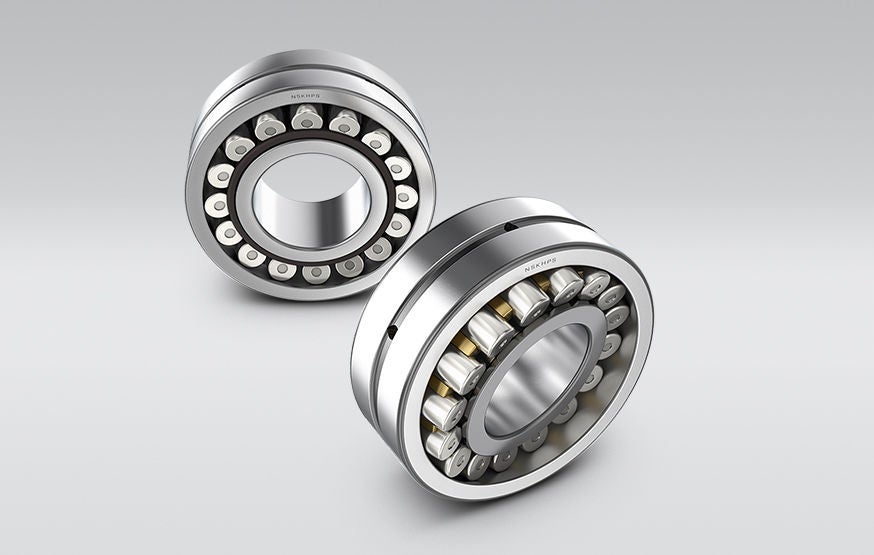
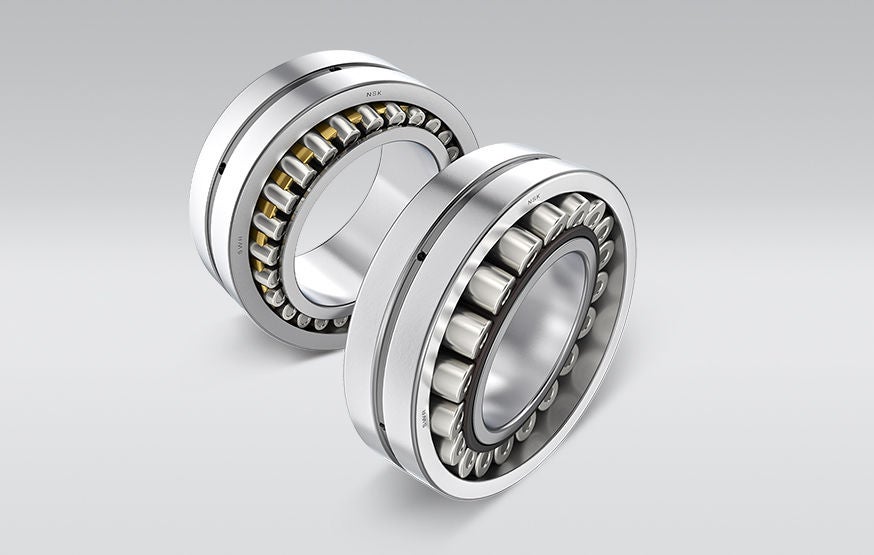
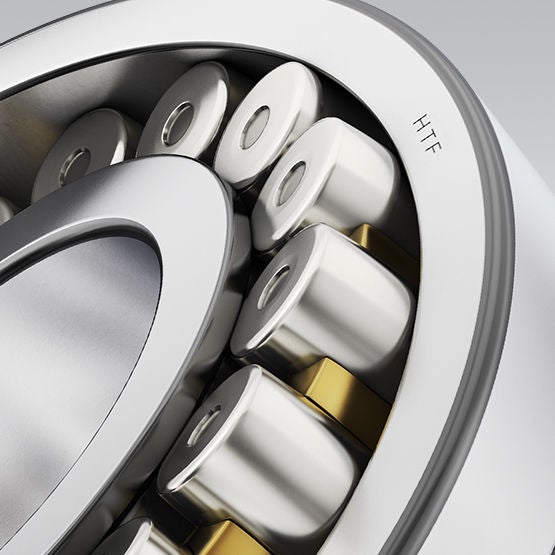
A spherical roller bearing is a rolling bearing that uses barrel-shaped rollers arranged in two rows. These rollers rotate within an outer ring with a spherical raceway, which allows the inner ring to tilt slightly. That tilt allows the bearing to accommodate misalignment between the shaft and housing. In practical terms, if a shaft deflects under load or if installation is not perfectly straight, the bearing can still function without failing prematurely.
This misalignment compensation typically ranges from about one degree up to roughly two and a half degrees, depending on the bearing series, operating load, and size. That may sound minor, but in heavy machinery, those small degrees can make the difference between continuous operation and early wear and tear. Engineers often select spherical roller bearings (SRB) for machinery that must handle both high radial and significant axial loads simultaneously, which is common in industrial equipment.
Inside the Design: Key Features and Attributes
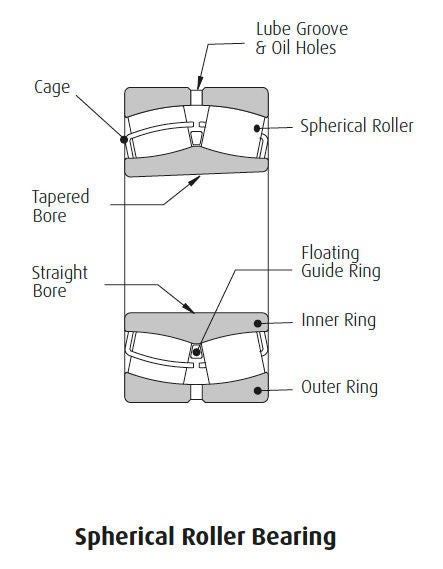
The geometry of spherical roller bearings gives them several performance advantages. They contain two rows of rollers, each designed to share the load evenly. The rollers are thicker than those found in many other bearing types, which contributes to their fatigue strength. The raceways are machined to handle high stress and reduce heat generation.
You are also likely to come across variations in bore configuration. Cylindrical bores are standard for general applications, while tapered bores are used where shaft mounting and dismounting need to be simplified.
A tapered bore with a 1 to 12 or 1 to 30 taper ratio allows the bearing to be mounted on adapter or withdrawal sleeves, making replacement easier in confined machine spaces.
Manufacturers like NSK produce spherical roller bearings in a wide variety of sizes. Bore diameters can range from about 20 millimeters up to 1,400 millimeters*. This range means SRBs can be found in compact gearboxes as well as massive industrial roll stands.
Why Industries Prefer SRBs for Harsh Conditions
The main reason spherical roller bearings are so prevalent in industrial machinery is their ability to operate in environments that would quickly destroy conventional bearings. Heavy industry rarely provides perfect alignment, perfect lubrication, or perfect cleanliness. SRBs are built to tolerate these imperfections.
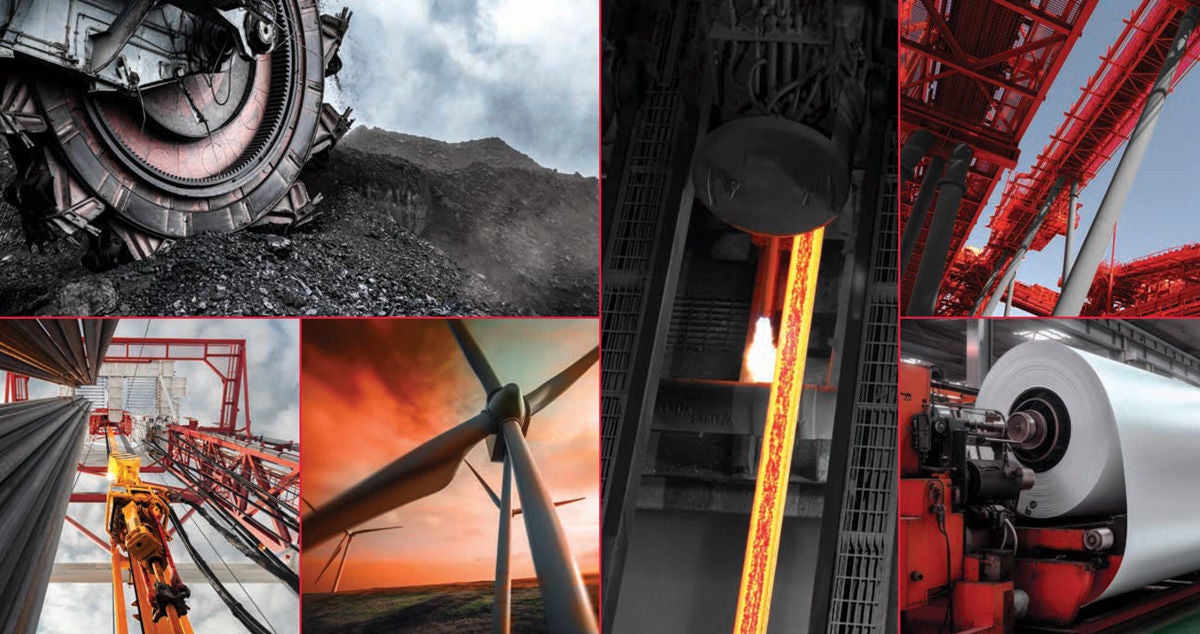
SRBs come in both sealed and unsealed designs*. Sealed bearings are engineered to keep contaminants out and lubrication in, making them ideal for harsh, dirty environments. You’ll commonly see them in mining conveyors, crushers, vibrating screens, paper mill dryer cylinders, steel rolling mills, and wind turbine main shafts. These applications involve irregular loading, constant vibration, or shaft movement that would quickly wear out a conventional bearing.
SRBs are built to handle both radial and axial loads under these punishing conditions, running cooler and longer than standard bearings. Longer bearing life means fewer changeouts, fewer emergency shutdowns, and lower inventory costs, making them a smart choice for procurement and operations teams alike.
Material and Cage Options That Influence Performance
Modern SRBs use specialized steels* that improve fatigue life and resist surface damage. High-purity steels reduce inclusions that can lead to cracking under load. NSK Z steel demonstrates 1.8 times longer fatigue life compared to conventional steels. (pg. 130 (A250) in: PDF Rolling Bearings for Industrial Machinery )
Cage design also plays a meaningful role in bearing performance. Common cage materials* include pressed steel, which is light and strong, and machined brass, which offers excellent dimensional stability for heavy-duty applications. Brass cages are frequently chosen in gearboxes and steel-related machinery where shock and vibration are constant.
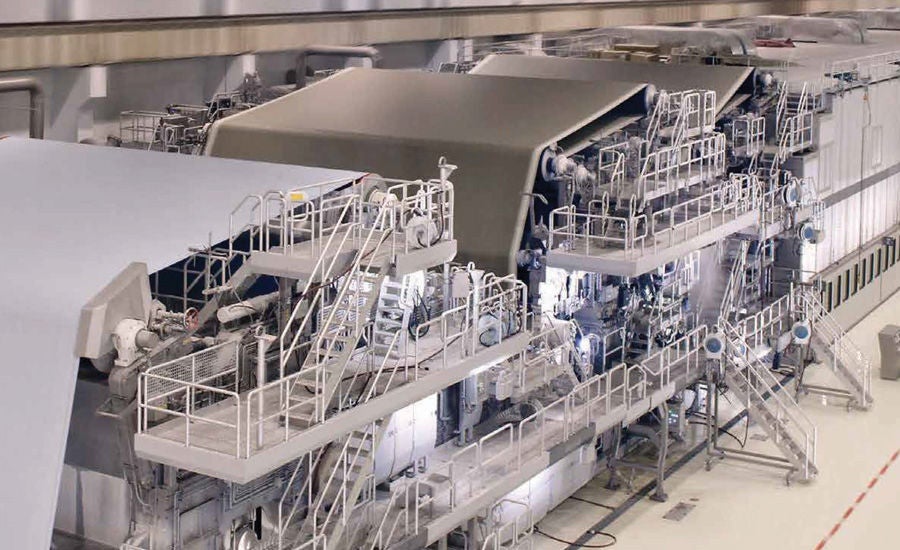
Temperature resistance matters as well. Many spherical roller bearings are dimensionally stable up to about 200 degrees Celsius. That makes them suitable for environments like paper mill drying sections and industrial heat-processing lines where temperatures routinely exceed those found in typical manufacturing equipment
Applications You Will See Spherical Roller Bearings Most Often
SRBs are widely used across multiple sectors. They show up anywhere heavy loads, shaft misalignment, or vibration are likely.
Below is a sample of common use cases:
- Mining and quarry conveyors
- Crushers and vibrating screens
- Industrial gearboxes
- Paper machines
- Steel rolling mills and converters
- Wind turbine main shafts
- Marine propulsion machinery
The common thread among these applications is that reliability and uptime directly influence profitability. A failed bearing not only shuts down a machine. It can idle an entire process line.
Beyond Unit Cost
Decisions around bearing selection influence maintenance demands, equipment uptime, and long-term operating costs. Many organizations evaluate components by factoring in the total life cycle cost rather than unit price alone.
There are three main value drivers for procurement:
- Longer operational life reduces replacement frequency
- Tolerance for misalignment reduces mechanical failure risk
- Better sealing and material options reduce maintenance labor
Unplanned downtime is a major cost, with the impact varying widely based on the facility and application. A bearing that doubles or triples service life helps avoid that scenario and can deliver a strong return over time.
NSK Offers Higher Performance Design
SRBs are widely used across multiple sectors. They show up anywhere heavy loads, shaft misalignment, or vibration are likely.
Below is a sample of common use cases:
- Mining and quarry conveyors
- Crushers and vibrating screens
- Industrial gearboxes
- Paper machines
- Steel rolling mills and converters
- Wind turbine main shafts
- Marine propulsion machinery
The common thread among these applications is that reliability and uptime directly influence profitability. A failed bearing not only shuts down a machine. It can idle an entire process line.
Building on the proven spherical roller bearing design, NSK has developed specialized solutions to meet the demands of challenging industrial environments. The NSK High Performance Standard (NSKHPS) series, for example, delivers higher dynamic load ratings and faster limiting speeds than conventional bearings, helping machinery run longer and more reliably under heavy loads. Many operations report significantly extended bearing life after switching to NSKHPS in demanding applications.
NSK also offers tailored designs for specific industries, including Tough and Long (TL) spherical roller bearings for paper machine dryer cylinders and Super Wear-Resistant (SWR) bearings for steelmaking environments where heat, vibration, and shock loads are constant. These innovations help reduce downtime, prevent bearing-related failures, and keep critical equipment running smoothly.
Supporting Reliable Heavy Industry Operations
Spherical roller bearings are used because they keep heavy machinery running under load, vibration, and alignment challenges that would stop other bearing types. Their ability to handle radial and axial loads simultaneously, resist heat and contamination, and compensate for misalignment makes them a dependable choice for industries where uptime cannot be compromised.
If you are selecting bearings for new machinery or replacing bearings in existing equipment, spherical roller bearings give you a path to better reliability, lower maintenance cost, and fewer disruptions to production schedules.
*not all materials and features might be available
Products
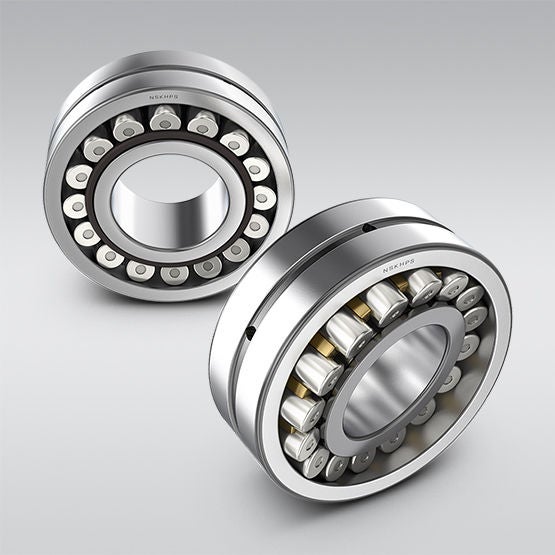
NSKHPS Spherical Roller Bearings
NSKHPS spherical roller bearings deliver higer load capacity, longer life, and superior performance. Ideal for mining, steel, cement, and more. Explore design features and benefits now!
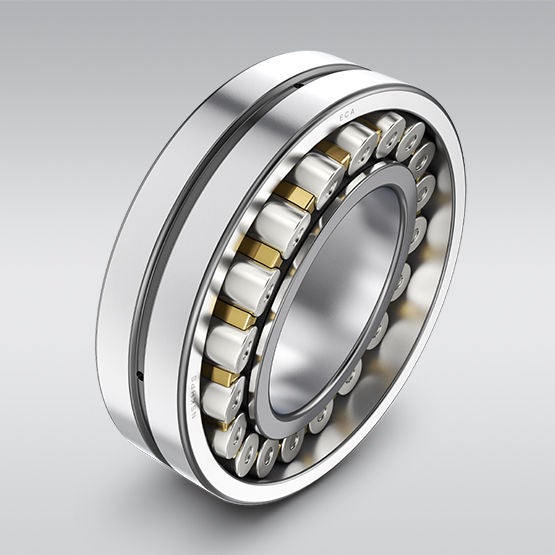
Extra-Capacity ECA Spherical Roller Bearings
NSK's ECA spherical roller bearings feature a guide ring-free design for higher load capacity, speed and reliability. Perfect for mining, oil & gas, and more. Learn more!
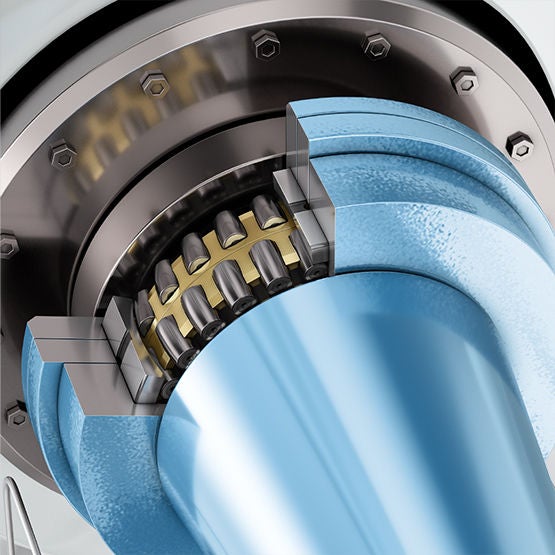
Super-TF Spherical Roller Bearings for Main Shafts
NSK's Super-TF spherical roller bearings for main shafts deliver superior wear resistance and long-life performance for wind turbines. Built to endure extreme conditions. Learn more!
Long-Life Tough Steel™️ Bearings
Tough Steel™ bearings deliver exceptional wear resistance, heat tolerance, and long life in heavily contaminated, high-load industrial environments.
Share