
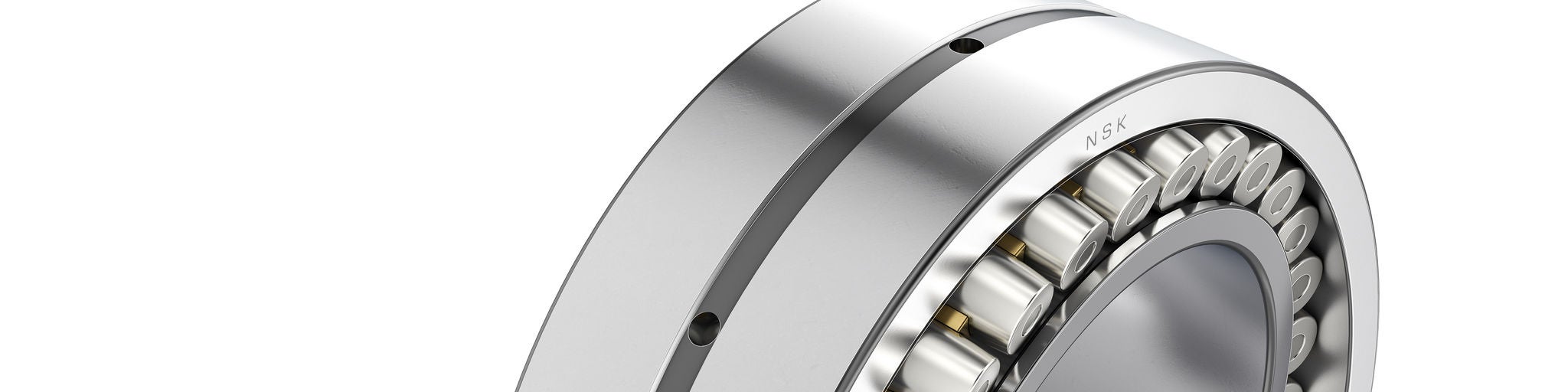
Spherical Roller Bearings vs Other Roller Bearings: Which Is Right for You?
A production line hums along until a vibration you have never heard before creeps in. Heat rises, noise follows, and suddenly downtime is no longer theoretical. The root cause often traces back to a bearing choice that looked right on paper but struggled in real operating conditions. Loads change, shafts flex, housings move, and “perfect” alignment never really stays perfect.
Choosing the right roller bearing is not about chasing specs, but rather matching the bearing’s behavior to how your equipment actually behaves in operation.
Roller bearings generally fall into three families: cylindrical, tapered, and spherical. Each brings strengths and tradeoffs that matter depending on load direction, alignment tolerance, and environment. Understanding how they differ helps you choose with confidence rather than react after a failure.
Before getting too in-depth, here’s a quick comparison to help you identify which bearing fits your application, and then we’ll discuss why:
- Best for high radial loads
- Sensitive to misalignment
- Common in gearboxes and electric motors
- Carry combined radial and axial loads.
- Require precise alignment.
- Widely used in automotive and heavy-duty equipment.
- Handle both radial and axial loads.
- Self-align to manage shaft deflection and installation error.
- Available in high-capacity designs such as NSK’s Extra Capacity (ECA) Spherical Roller Bearing, which increase load ratings by packing more rollers into the bearing.
- Perform well in cement mills, steel rolling, mining conveyors, paper machines, and wind turbines, where misalignment and heavy shock loads are common
Understanding Cylindrical Roller Bearings
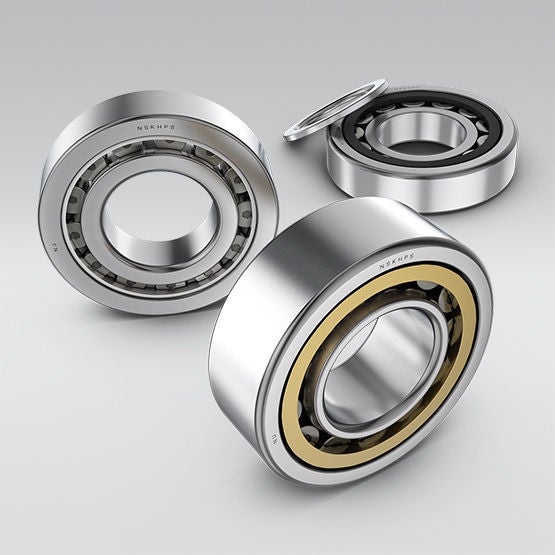
Cylindrical roller bearings are often selected for their ability to carry heavy radial loads while maintaining low friction. They are commonly used in gearboxes and electric motors where alignment is well controlled. Their straight rollers provide a large contact area with the raceways, which supports high load capacity and stable rotation at elevated speeds. This makes them well suited for applications with stable shaft support and minimal deflection.
Where cylindrical designs may struggle is misalignment. Even small deviations between the shaft and housing can concentrate stress on the rollers and raceways. Over time, this can lead to surface fatigue, increased vibration, and reduced service life. In environments with thermal expansion, shaft deflection, or mounting tolerances that vary, cylindrical roller bearings demand close monitoring and precise installation practices.
Where Tapered Roller Bearings Fit Best
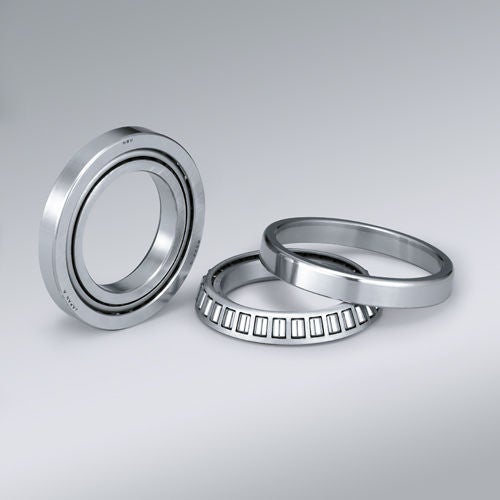
Tapered roller bearings are designed to manage combined radial and axial loads. Their tapered rollers and raceways meet at a common point along the bearing axis, allowing them to handle thrust loads in addition to radial forces. This geometry makes them a trusted option in automotive wheel hubs, heavy equipment axles, and machinery where axial forces are part of normal operation.
The tradeoff is sensitivity to setup. Tapered roller bearings require accurate alignment and proper preload to perform as intended. Too much preload raises friction and heat, while too little allows movement that accelerates wear. In applications where loads are predictable and maintenance access is straightforward, this balance is manageable. In harsher settings, it can become a recurring challenge.
Why Spherical Roller Bearings Stand Apart
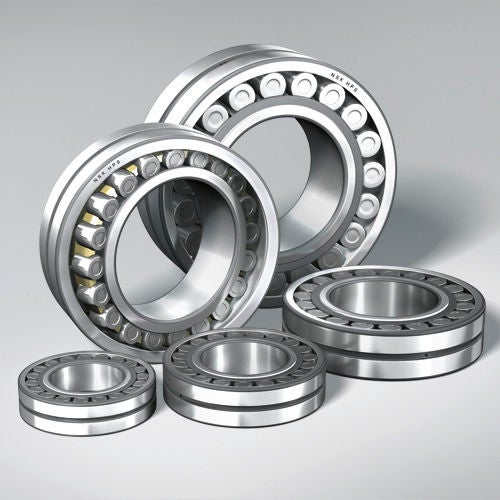
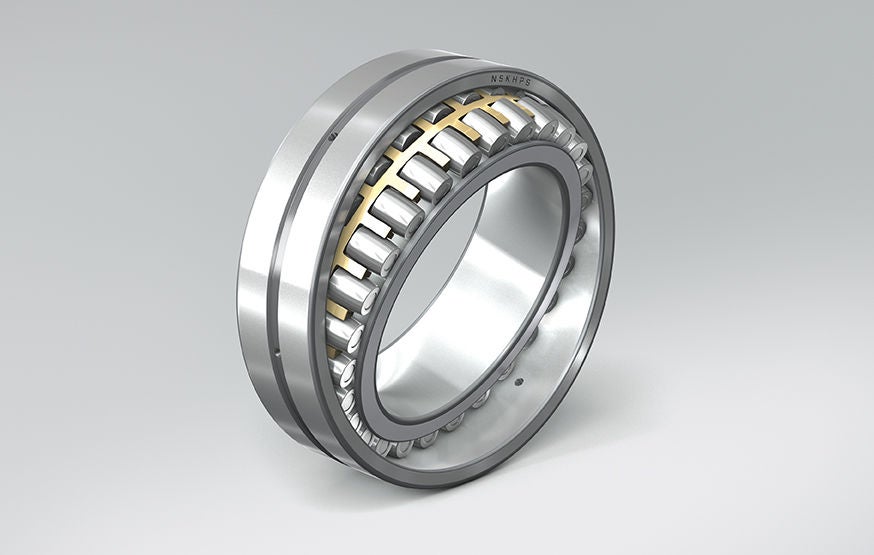
Spherical roller bearings are built for environments where alignment cannot be held perfectly over time. Their barrel shaped rollers run on a spherical outer raceway, allowing the bearing to self-align as shafts bend or housings shift. This capability makes them especially valuable where long shafts, structural deflection, and shock loads are part of daily operation.
They also support both radial and axial loads at the same time, which reduces the need for complex bearing arrangements. Many users turn to spherical roller bearings after repeated failures with other designs because real operating conditions demand more flexibility than rigid bearings can tolerate.
One of the reasons spherical roller bearings are widely used is the availability of high capacity designs. NSK’s Extra-Capacity (ECA) spherical roller bearings are engineered to carry higher loads by packing more rollers into the bearing envelope while maintaining stability and reliability.
- They accommodate radial and axial loads in one bearing arrangement.
- They self-align to absorb shaft deflection and mounting variation.
- They are offered in extra capacity designs that increase load ratings without increasing bearing size.
This combination tackles the key factors that drive unplanned downtime, with design features that directly influence real-world performance.
The Technical Advantage of Modern Spherical Roller Bearings
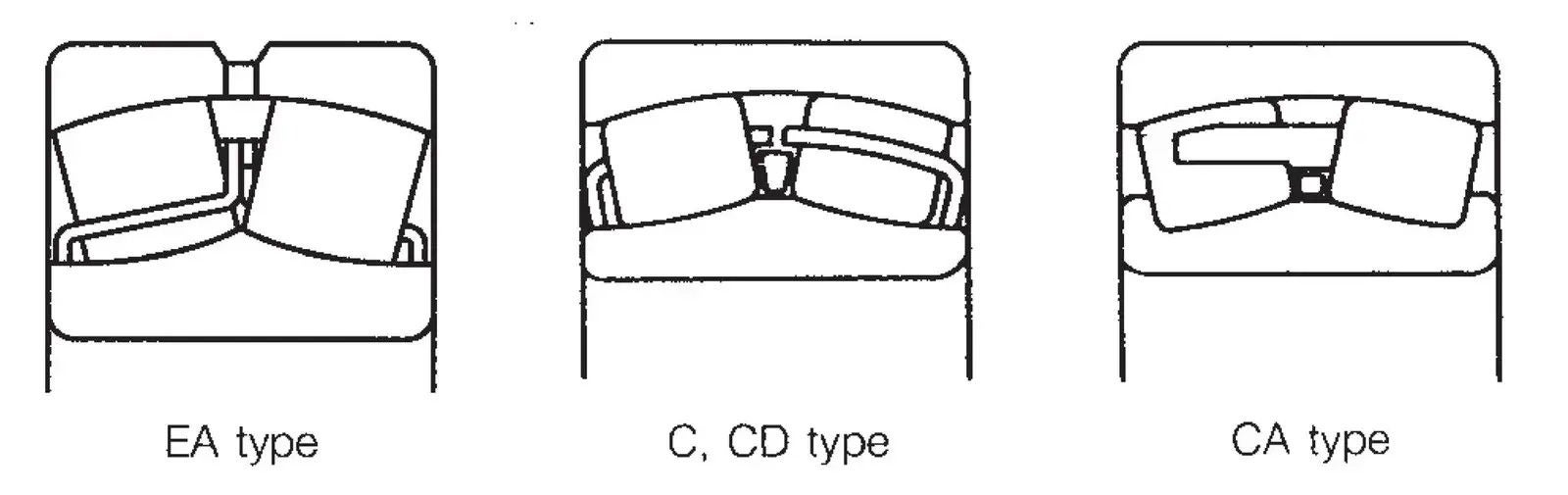
Beyond basic geometry, the performance of a spherical roller bearing depends on internal design details. Internal clearance options allow engineers to match the bearing to operating temperature and load conditions. Ranges from C2 through C5 make it possible to fine tune performance based on expected expansion and shaft behavior.
Lubrication also plays a major role in bearing life. Options that include lubrication grooves and oil holes in the outer ring, identified by the E4 suffix, help distribute lubricant more evenly. This supports cooler operation and longer service intervals in applications where relubrication can be difficult.
Speed capability is another area where modern spherical roller bearings have evolved. When properly lubricated, NSK’s high-performance Spherical Roller Bearing designs support higher limiting speeds. This makes them suitable for equipment that combines heavy loads with continuous operation, a pairing that once limited bearing options.
Where Spherical Roller Bearings Prove Their Value
Certain operating environments reveal the limits of rigid bearing designs very quickly. In cement processing, rotating equipment faces dust, vibration, and fluctuating loads. Steel production brings heat and shock. Mining conveyors run long distances with unavoidable shaft deflection. Paper machines combine speed with large rolls that flex under load. Wind turbines add variable loads and change alignment over time.
In these settings, spherical roller bearings are often chosen not as a premium option but as a practical one. Their ability to tolerate misalignment and absorb load variation reduces the cycle of failure, repair, and replacement that drains maintenance budgets and disrupts production.
A Closer Look at NSK Extra-Capacity (ECA) Bearings
NSK’s Extra Capacity (ECA) Spherical Roller Bearings are designed for operations that push equipment hard every day. By removing the guide ring and optimizing roller geometry, these bearings increase the number of rollers carrying the load. The result is higher load ratings without increasing the bearing footprint.
This design approach benefits industries where space is limited but performance demands keep rising. Cement plants, mining operations, and oil and gas equipment all benefit from bearings that handle heavy loads while adapting to real world alignment conditions. NSK’s experience in materials, heat treatment, and precision manufacturing shows through in bearings built to last under pressure.
Choosing the Right Bearing for Your Equipment
The right roller bearing depends on how your machine behaves in operation, not just how it looks on a drawing. Cylindrical roller bearings shine in stable, well aligned systems focused on radial loads. Tapered roller bearings serve applications with combined loads and controlled setup. Spherical roller bearings answer the call when alignment varies, loads shift, and reliability matters more than theoretical efficiency.
Your choice should reflect the problems you are trying to solve. If downtime, misalignment, or shock loads keep showing up on maintenance reports, it may be time to rethink the bearing design rather than repeat the same selection.
Putting It All Together
Choosing between cylindrical, tapered, and spherical roller bearings comes down to understanding your operating conditions and how much variation your equipment sees over time.
Each bearing type has a role, but spherical roller bearings often provide the most forgiving solution in tough environments. NSK’s Extra-Capacity (ECA) Spherical Roller Bearings build on that advantage with higher load ratings and robust design details that support long service life.
If bearing failures are holding your operation back, talk with NSK about whether ECA Extra Capacity spherical roller bearings are the right fit for your equipment.
Products
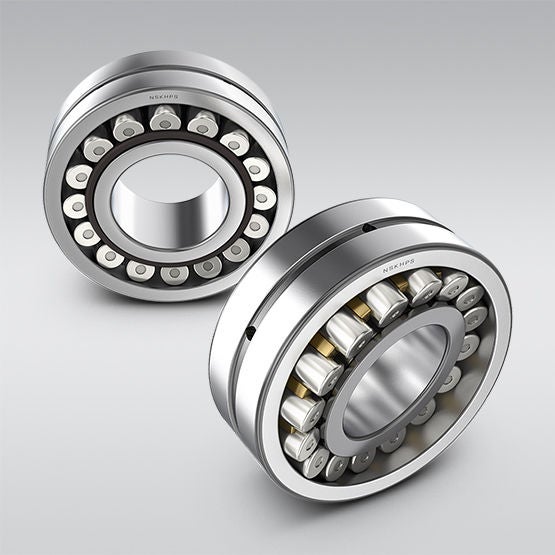
NSKHPS Spherical Roller Bearings
NSKHPS spherical roller bearings deliver higer load capacity, longer life, and superior performance. Ideal for mining, steel, cement, and more. Explore design features and benefits now!
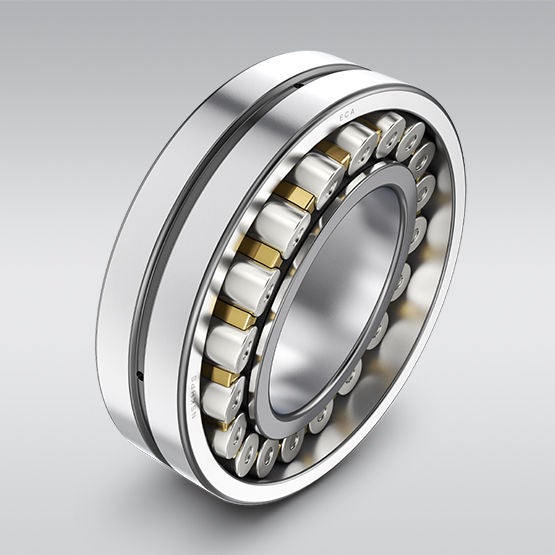
Extra-Capacity ECA Spherical Roller Bearings
NSK's ECA spherical roller bearings feature a guide ring-free design for higher load capacity, speed and reliability. Perfect for mining, oil & gas, and more. Learn more!
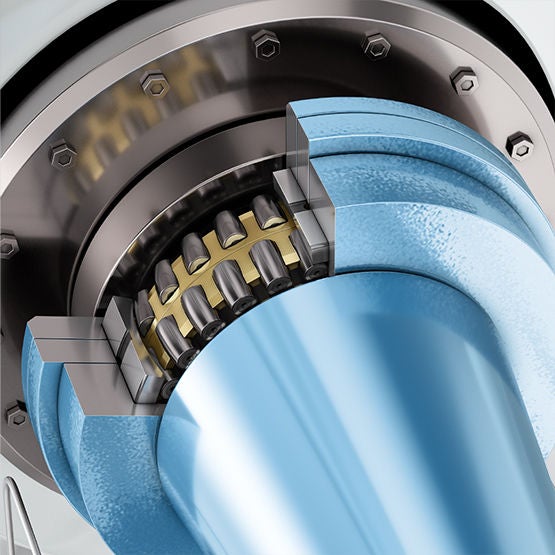
Super-TF Spherical Roller Bearings for Main Shafts
NSK's Super-TF spherical roller bearings for main shafts deliver superior wear resistance and long-life performance for wind turbines. Built to endure extreme conditions. Learn more!
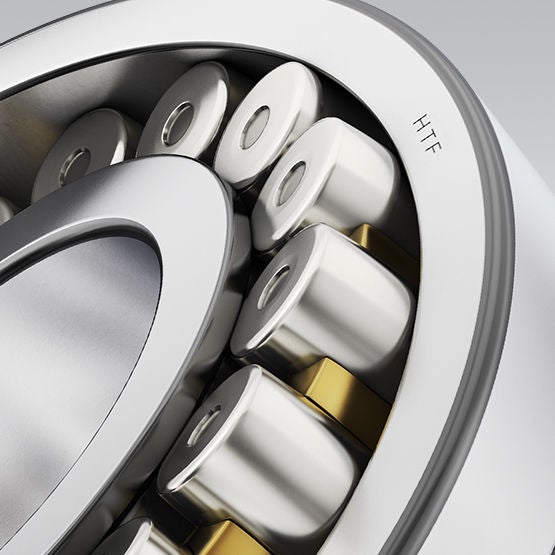
Long-Life Tough Steel™️ Bearings
Tough Steel™ bearings deliver exceptional wear resistance, heat tolerance, and long life in heavily contaminated, high-load industrial environments.
Share